The best Pokemon Gameboy Color games share a list with a few older cartridges, because the run goes from Red and Blue in 1996 to Crystal in 2000. Seven games make the cut, taken from the full best Pokemon games list. Four are main-series role-playing games and three are spin-offs: a pinball table, a card game and a puzzler. Which one suits you depends on whether you want a region to walk across or a game for a short break.
The Best Pokemon Game Boy Games, Ranked
#7
Pokemon Puzzle Challenge (2000)
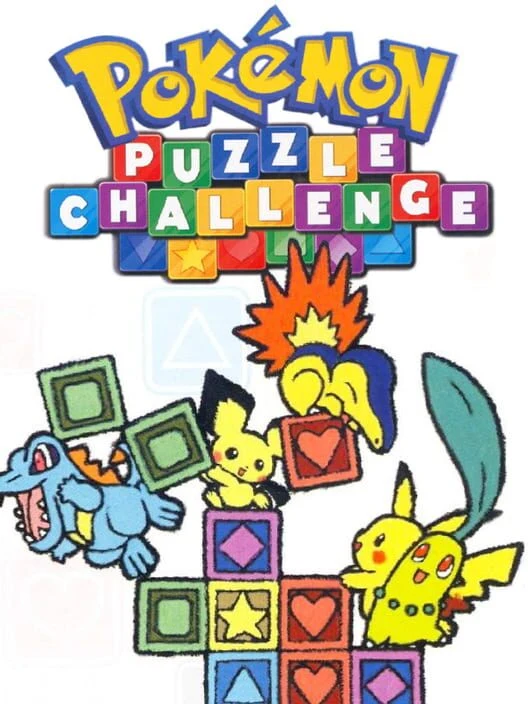
Intelligent Systems built this falling-block puzzler for the Game Boy Color. It belongs to the Puzzle League series. You move a two square long cursor to swap blocks, and three in a line of the same color make them disappear. Clear several at once for a combo, or let falling blocks clear more for a chain. In the versus modes, chains drop garbage blocks onto the other grid.
The handheld version trims the board. The grid is only 6x9 blocks, compared to the 6x12 grids of other Puzzle League games, and the opponent's grid is hidden behind a small meter that shows how close they are to losing. Challenge mode is framed as a trip around Johto where you take on trainers and Gym Leaders, and the characters and remixed music come from Gold and Silver.
You begin with Chikorita, Cyndaquil or Totodile, and you can add six more Pokemon by beating their trainers.
Four more hatch from eggs after you score high in the other modes. A button code opens a hidden Game Boy version of Panel de Pon. Two players can face off over a Game Link Cable.
The Hard setting wears people down, and they keep reaching for it anyway. It is a good pick if you like puzzle games and want a cartridge for a short break. It also came to the 3DS Virtual Console. (Garbage blocks have never felt so personal.)
#6
Pokemon Trading Card Game (1998)
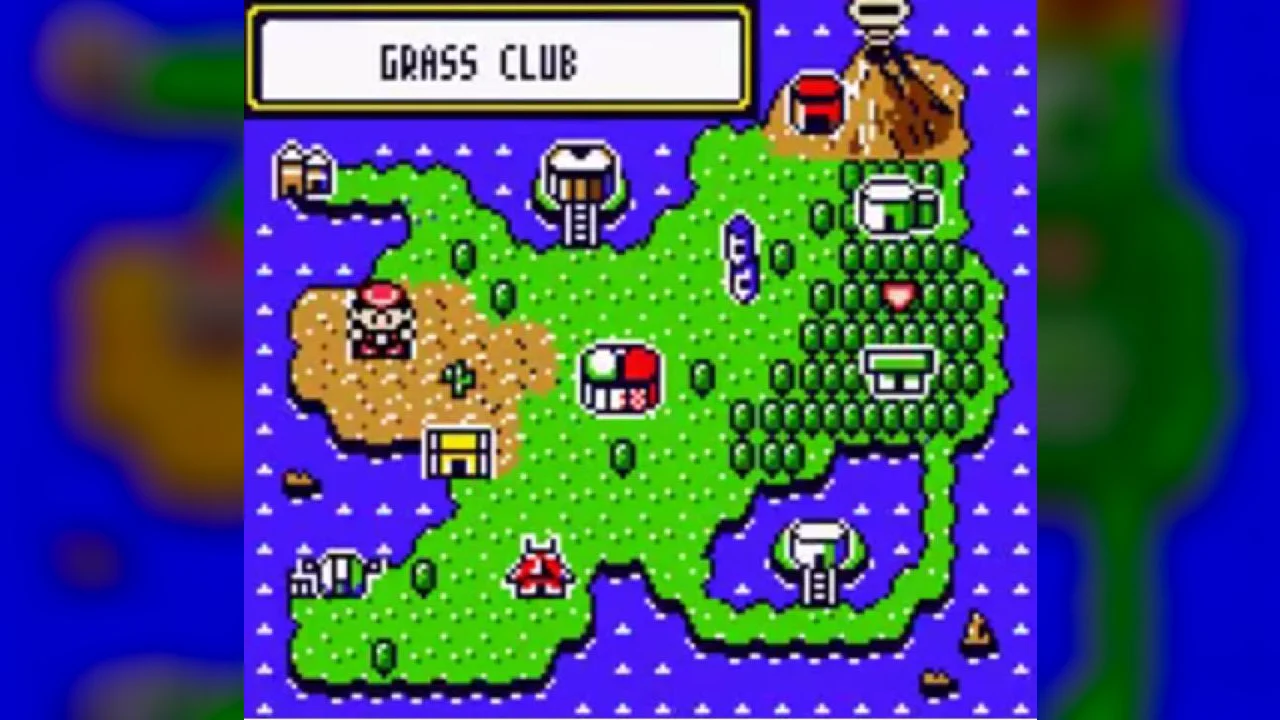
This is a video game version of the tabletop card game, with role-playing elements added. You control a young boy who travels around the game world and challenges non-player characters to card battles with 60-card decks. There are eight Club Masters, each with a deck built around one of the card types, and four Grand Masters after them. Beat the Grand Masters and you inherit four powerful Legendary Cards.
You pick one of three starter decks, each built around a Red and Blue starter, and every win pays out booster packs. The game holds 226 cards, taken from the first three sets of the real game plus some made only for it.
Electrode and Ditto were difficult to translate to the video game. The game swaps in its own versions. Hudson Soft and Creatures developed it, and the musician Tomoaki Imakuni appears under his stage name. Imakuni? is the odd face people still remember once the Grand Masters fade.
Two players can battle or trade over infrared or a Link Cable, and a feature called Card Pop lets each of them get a card they could not reach otherwise.
It reached North America in April 2000, and a Meowth promo card came with the game. The Japanese sequel never left Japan, and plenty of people still want a follow-up. Try it for a card game with a story attached and no packs to buy.
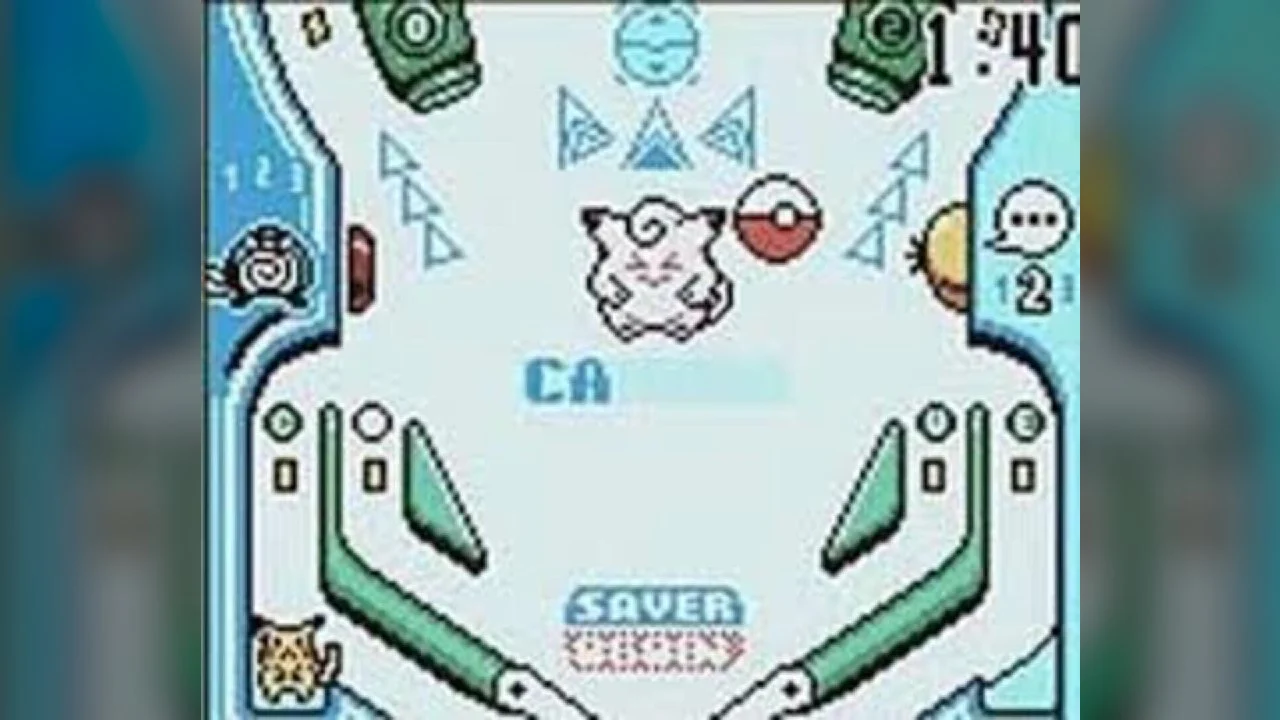
The ball is how you catch Pokemon here. It first came out in Japan on April 14, 1999. The cartridge has two tables, Red and Blue, and each has its own layout and its own locations. A slot machine spin at the start picks where you begin, and pressing A launches the first ball. The location decides which Pokemon can be caught.
Catch Mode opens a 2-minute window. Hit the pop bumpers 6 times and each hit reveals 1/6 of the Pokemon's picture. Once the picture is whole, the Pokemon appears on the table and you hit it 4 times to catch it. Evolution Mode works on a Pokemon you caught during the current game: collect 3 items off the playfield, then sink the ball in the center hole. Only a Pokemon evolved this way can add the evolved form to your Pokedex.
The cartridge has a rumble feature that runs on a AAA battery, and the table shakes in your hands. Reviewers said the physics were off and the Pikachu appearances were gratuitous, and still it sold 262,000 units in its first 20 days. That made it the fastest selling Game Boy title at the time. This is a small game that eats afternoons. It also turns out harder than anybody remembers. Pick it up for quick sessions between longer adventures, and keep a spare AAA battery for the rumble. (We blame the physics for every lost ball.)
#4
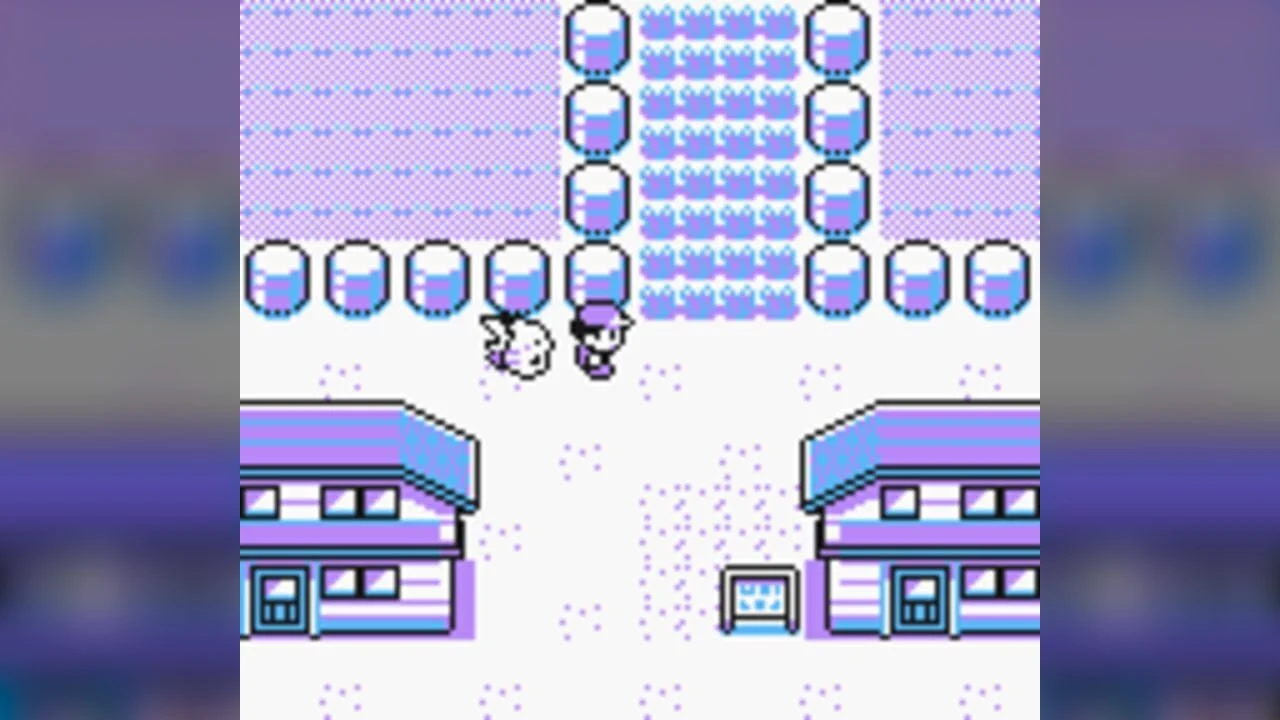
Pokemon Red and Blue (1996)
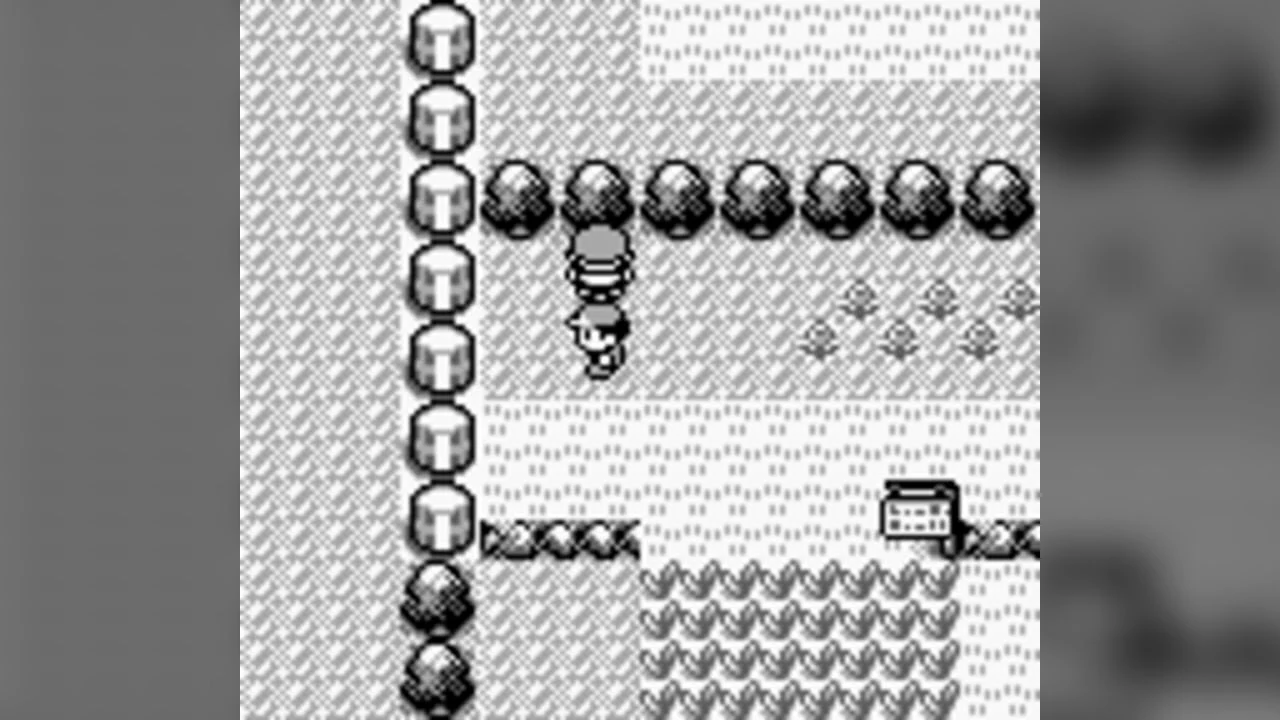
The idea came from Satoshi Tajiri's childhood hobby of insect collecting. As he grew up, urbanization shrank the insect population and kids played in their homes instead of outside, so he imagined a video game full of creatures to collect. Trading came from a frustrating moment in Dragon Quest II, when he could not get a rare item that his friend Ken Sugimori had two of. Shigeru Miyamoto then suggested several cartridges with different Pokemon in each, and your rival Shigeru is named after him.
The English release was not a simple text swap. The source code was so fragile that the games were reprogrammed from scratch, using Japanese Blue as the base. A Pokemon named Mew was hidden inside as an internal prank, and Tajiri said the rumors it caused kept interest alive. A 2003 glitch finally let players find it without a Nintendo event.
The Blue rival gets plenty of love, and the music helps. The games also ate a lot of save files, whether from a dying battery or a sibling trying the MissingNo glitch. Play it to see the roots, with the Blue Pokedex open beside you for the 151 Pokemon you are trying to catch. They reached the West in 1998 and 1999 as Red and Blue, while Red and Green only came out in Japan at first. (Nobody admits to losing to the rival on the first try.)
The game was designed to resemble the anime, so Pikachu is your only starter and your rival starts with an Eevee. Some characters look like their cartoon versions, with Jessie and James among them. Pikachu has a voice from Ikue Otani and its own personality. It follows you around the overworld and you can speak to it. Level up and it stays happy, and let it faint often and it sulks.
There is more around the edges. A Pikachu's Beach minigame opens only to players who finish a challenge in a Stadium game and move the data over with the Transfer Pak. The graphics got a slight polish, and the Game Boy Printer can print Pokedex entries onto stickers. It launched alongside Pokemon: The First Movie, and Nintendo and Volkswagen made a yellow New Beetle for it. A Pikachu-themed Game Boy Color bundle went on sale in North America in October 1999. Satoru Iwata later said people probably felt Yellow was unnecessary with Gold and Silver on the way.
Brock is the early wall, because a lone Pikachu has to chip Onix down with Quick Attack. Having Pikachu in tow wins people over. Stores sold out of it, and Target apologized for not meeting the unprecedented demand. It earned two nominations at the 3rd Annual Interactive Achievement Awards. Start here for the Kanto story with a companion in tow. (Eevee gets the short end here. Poor Eevee.)
#2
Pokemon Gold and Silver (1999)
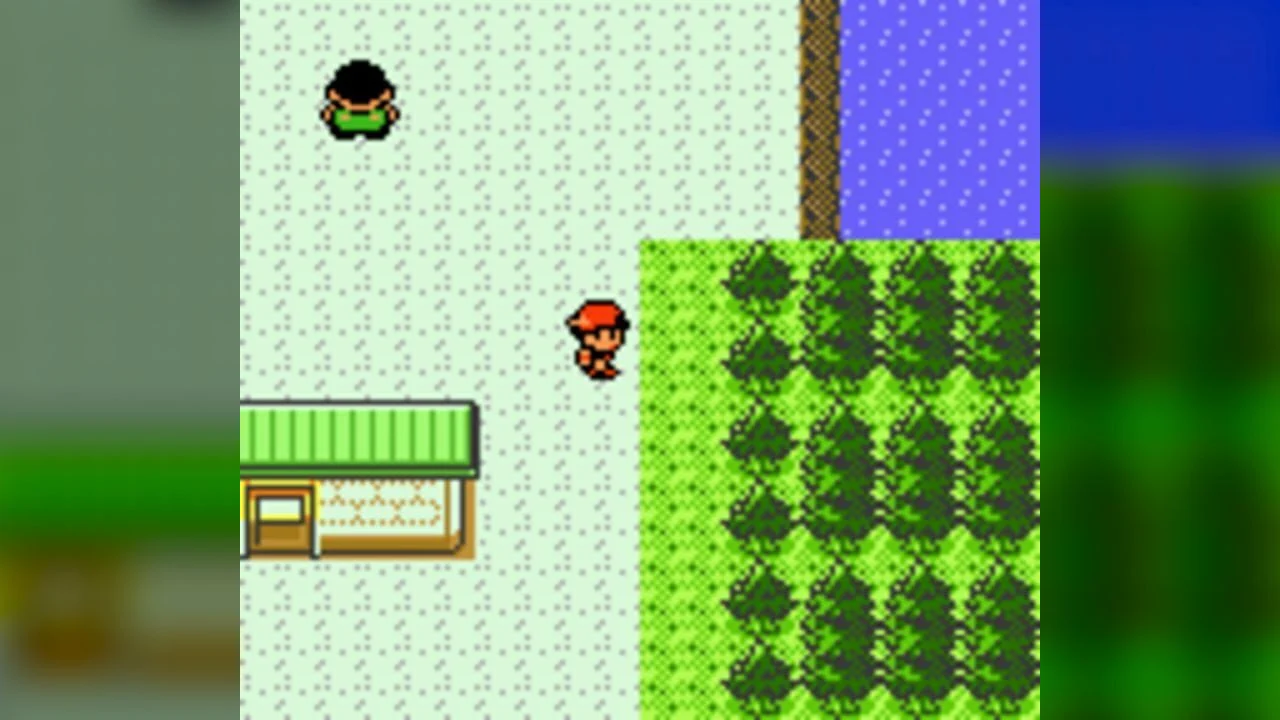
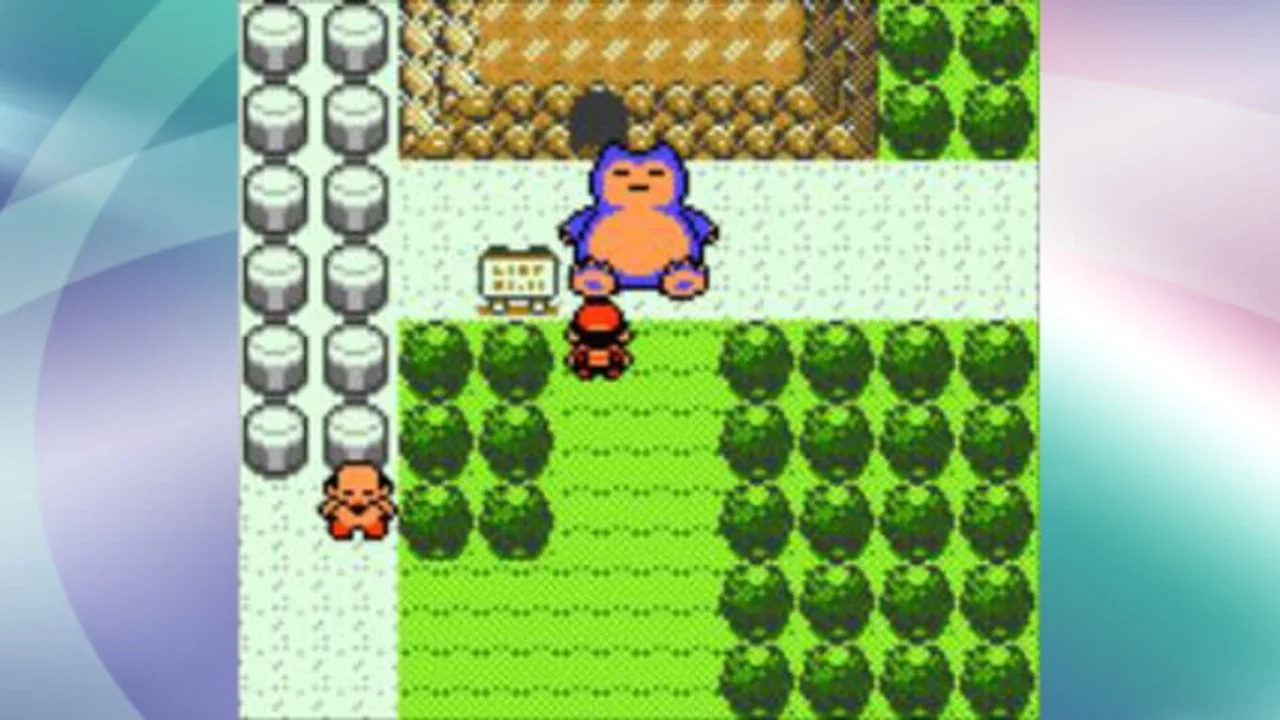
Gold and Silver send you to Johto, a region inspired by Japan's Kansai and Tokai areas, where traditional temples shape the look. They run on the Game Boy Color, and the sprites got sharper because of it. Raikou, Entei and Suicune wander the region and change locations as you travel, always trying to flee once you find them. The story takes place three years after the previous games.
The rules changed in small ways that mattered. Pokemon can hold items now, including berries that heal or cure status effects. A Move Deleter erases moves so second generation Pokemon can trade back to the first generation. The Special stat split into Special Attack and Special Defense, which gave battles more strategy. Junichi Masuda composed the music on an Amiga computer before it was converted for the Game Boy Color. A shiny Pokemon turns up about 1 in 8192 times, and Celebi is available only through a Nintendo promotional event.
Whitney's Miltank is the wall most people remember, and she leads the Goldenrod City Gym. Going back to Kanto after the Johto League is the other thing people talk about fondly. The games sold over 23 million units, which kept the franchise rolling after the first generation. The Silver Pokedex shows what lives where. Play them for a slower rhythm with room to breathe, as long as you leave a save slot for Kanto. (Miltank still owes us an apology.)
Crystal is a third version of Gold and Silver, built by Game Freak for the Game Boy Color. It was the first Pokemon game with Junichi Masuda as lead director, and its working title was Pokemon X. Clair gets a few changes in how you meet her. In the Ruins of Alph, extra puzzles let Unown hand you rewards and messages.
The Battle Tower lets you set the maximum levels for the three Pokemon you bring, and prizes wait at the end. The Japanese release also supported the Mobile Adapter GB, which let players trade, battle, take quizzes and read news over a phone. Celebi could be caught with a special item sent through that service. Connecting cost a fee by the minute, and Nintendo had planned to launch the service alongside the game in December, but delays pushed it back to 27 January 2001. The adapter sold 80,000 units in its first year, and the Mobile System GB service shut down on 18 December 2002.
Plenty of people call it the Johto game they like most. The extras explain why: you can play as the girl Kris, and Suicune gets a trail of its own through Eusine. Crystal has sold nearly 6.4 million units. The Crystal Pokedex lists the Pokemon for each route. Play it if you want the Johto adventure with the most polish on its original hardware, and keep some patience for the slow start. (Suicune keeps running. We keep chasing.)