If you're picking your next game, the best Pokemon games cover far more ground than the name suggests. They run from a Game Boy cartridge from 1996 to a Switch game that stays inside one city, with a camera safari and a fighting game in between. That spread means the right pick depends on what you want from an afternoon, so here are the Pokemon games worth your time, counted down from the bottom.
The Best Pokemon Games, Ranked
#31
New Pokemon Snap (2021)
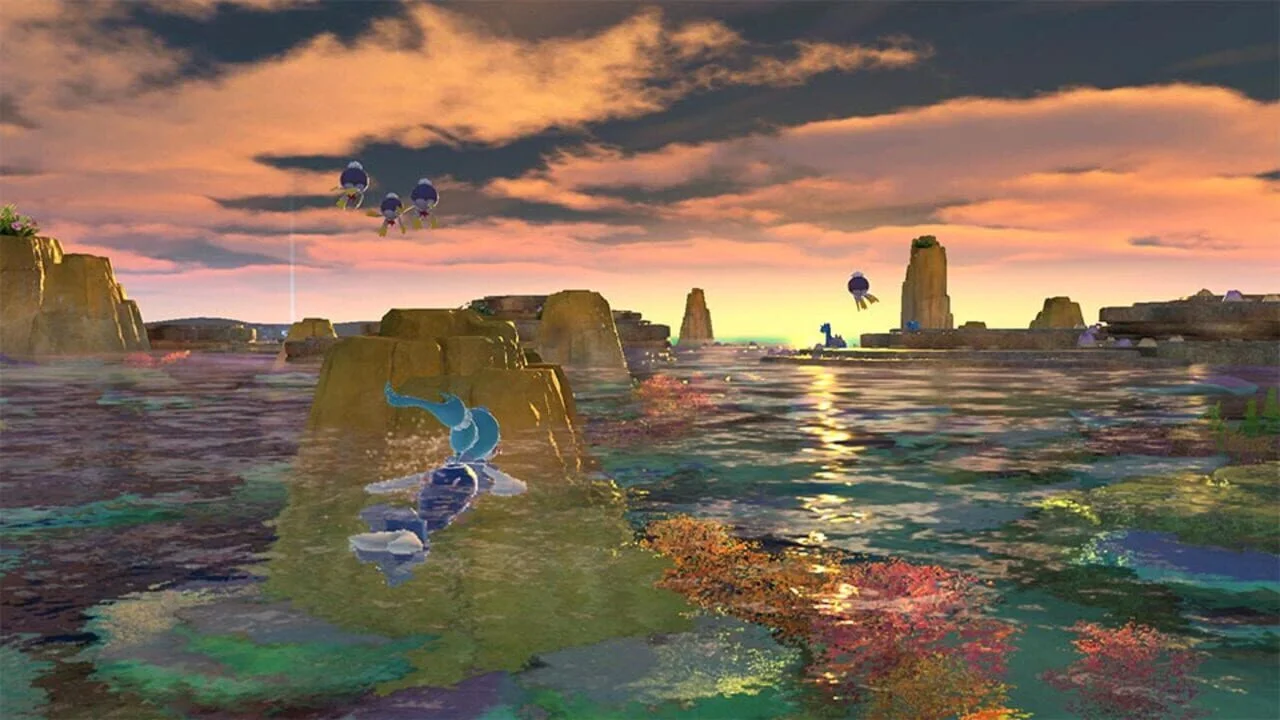
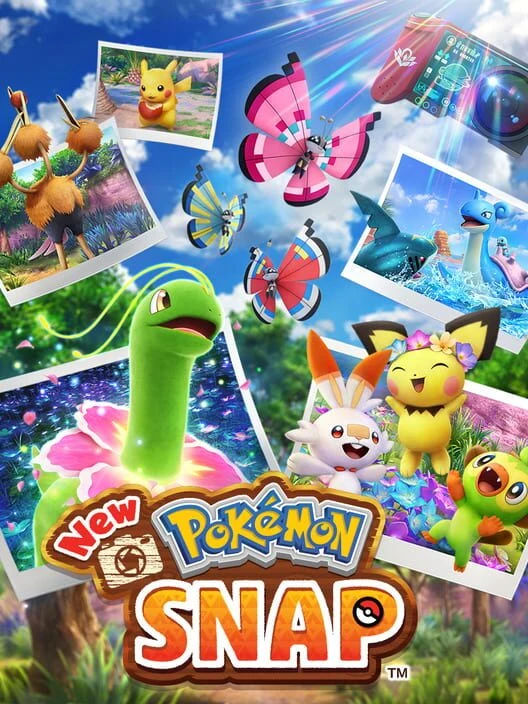
New Pokemon Snap takes the fighting out of Pokemon and hands you a camera. You join Professor Mirror's research team in the Lental region, an island chain, and an automated vehicle called the NEO-ONE carries you through it while you take pictures. Throw a fluffruit to lure a Pokemon closer, or use an Illumina orb to get a shy one to pose. Those islands feel packed with life, which gives the lens plenty to find. Each shot can go into your photodex, an album of the Pokemon you've photographed, and Professor Mirror grades your work in stars. The vehicle does the driving, though, which means the freedom stops at the camera, and the original kept you on a linear path too. We've never been this calm about being graded by a professor.
#30
Pokemon Conquest (2012)
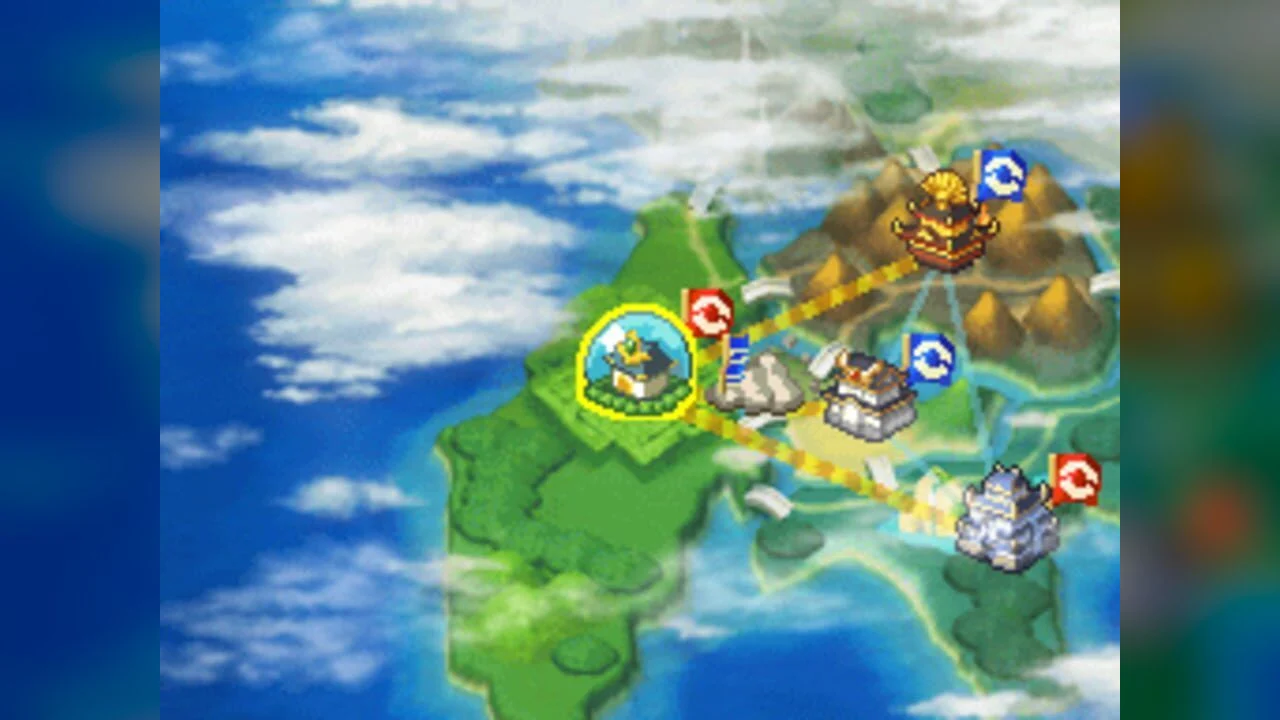
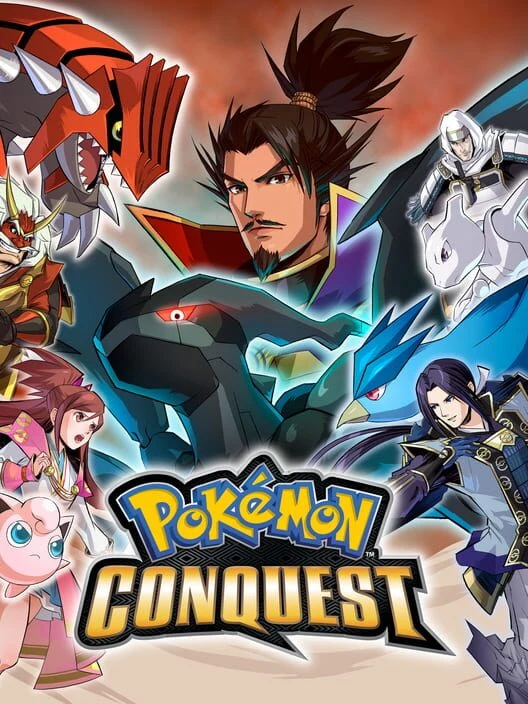
Pokemon Conquest crosses Pokemon with Nobunaga's Ambition, and the result is a tactical role-playing game for the Nintendo DS. You travel the Ransei region with an Eevee at your side, and a legend promises that whoever unifies all of its kingdoms gets a chance to meet Arceus, the Legendary Pokemon who created the region. Each warlord is paired with a Pokemon they share a bond with, and a strong enough bond changes a partner's shape, which means evolving here has nothing to do with levels. The main games give a Pokemon a full set of moves, whereas here each Pokemon can use only one move. That keeps each fight simple, although only part of the Pokemon that existed at release made it in. A sequel is what people keep asking for.
#29
Pokken Tournament (2015)
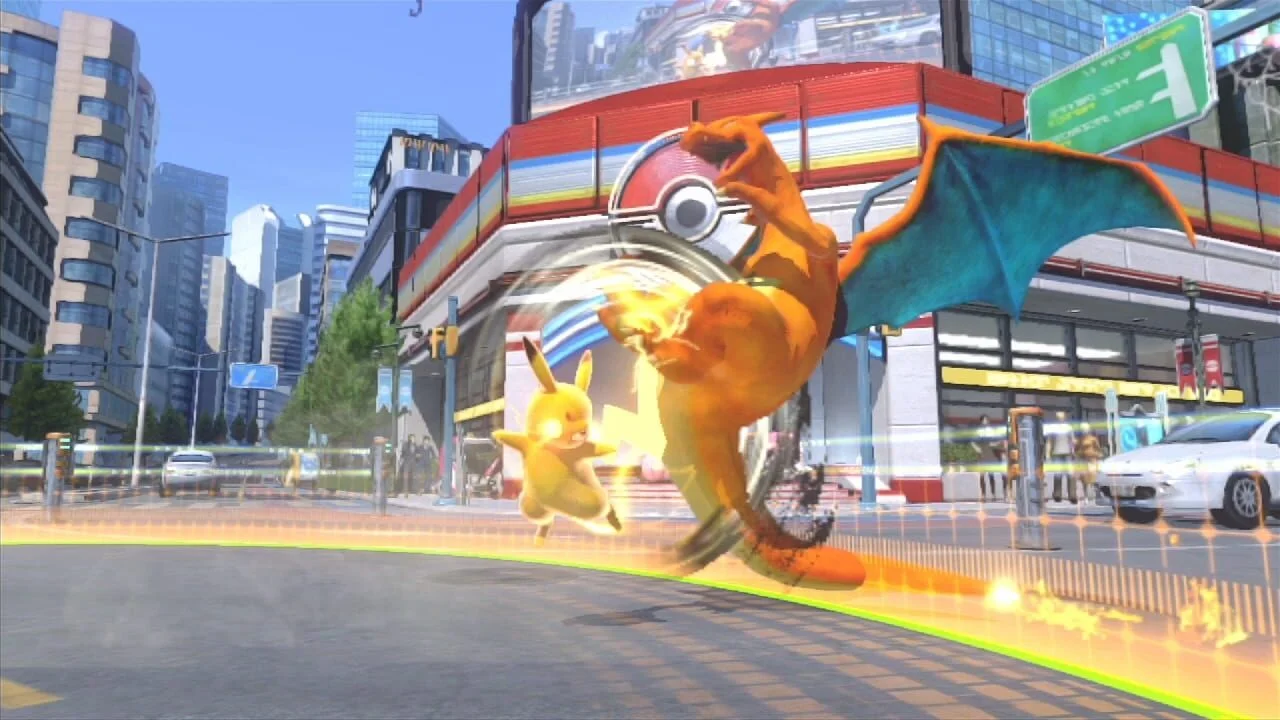
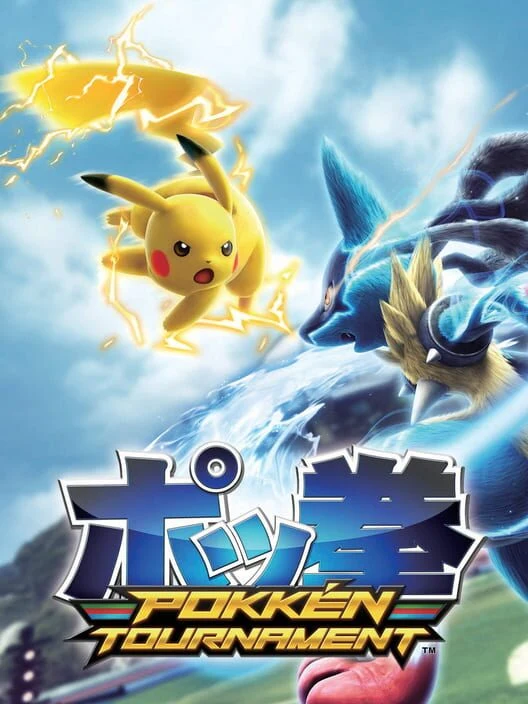
Bandai Namco Studios, the company behind Tekken, turned Pokemon into a fighting game, and Pokemon and Tekken in one game got people excited. It began in arcades and moved to the Wii U before reaching the Switch as Pokken Tournament DX. A match runs through the Field Phase, where the Pokemon move around the arena, and the Duel Phase, its other half, and the fight shifts between the two as you land hits. You can also pick Support Pokemon, helpers you call in during a match. Pikachu, Lucario, Gardevoir and Machamp all show up, although the Switch version added only a handful of names. It is a fighting game with no party to level up. We lose politely, and we've decided that counts.
#28
Pokemon Stadium (1999)
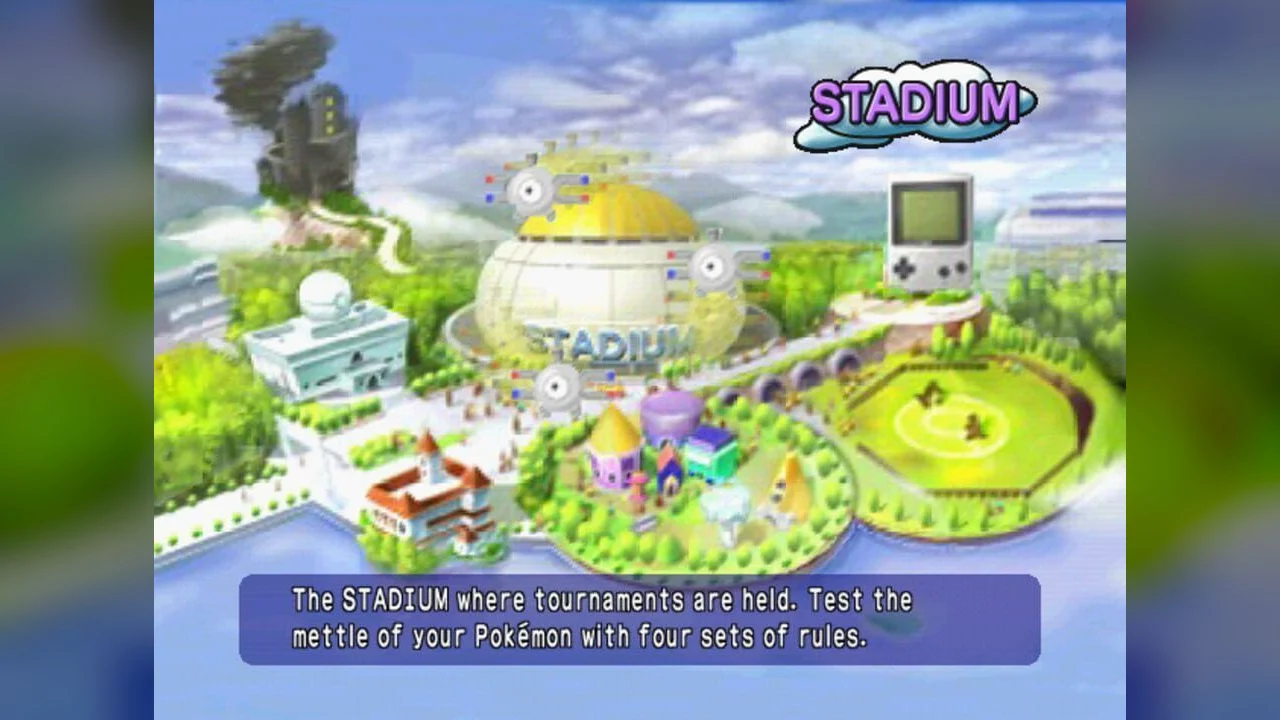
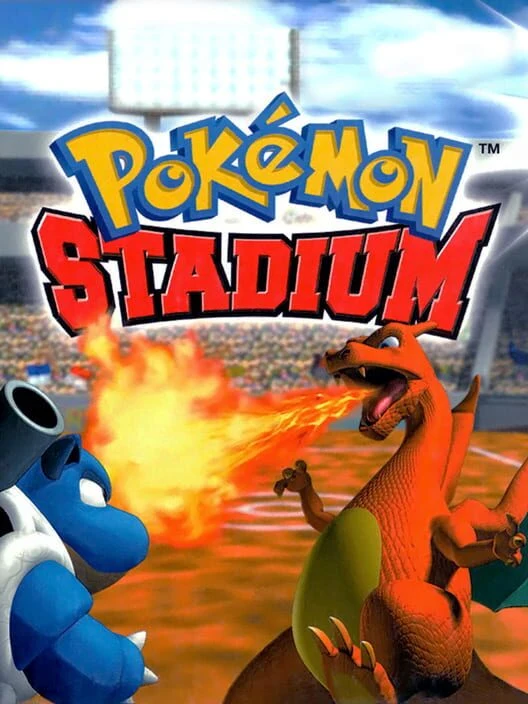
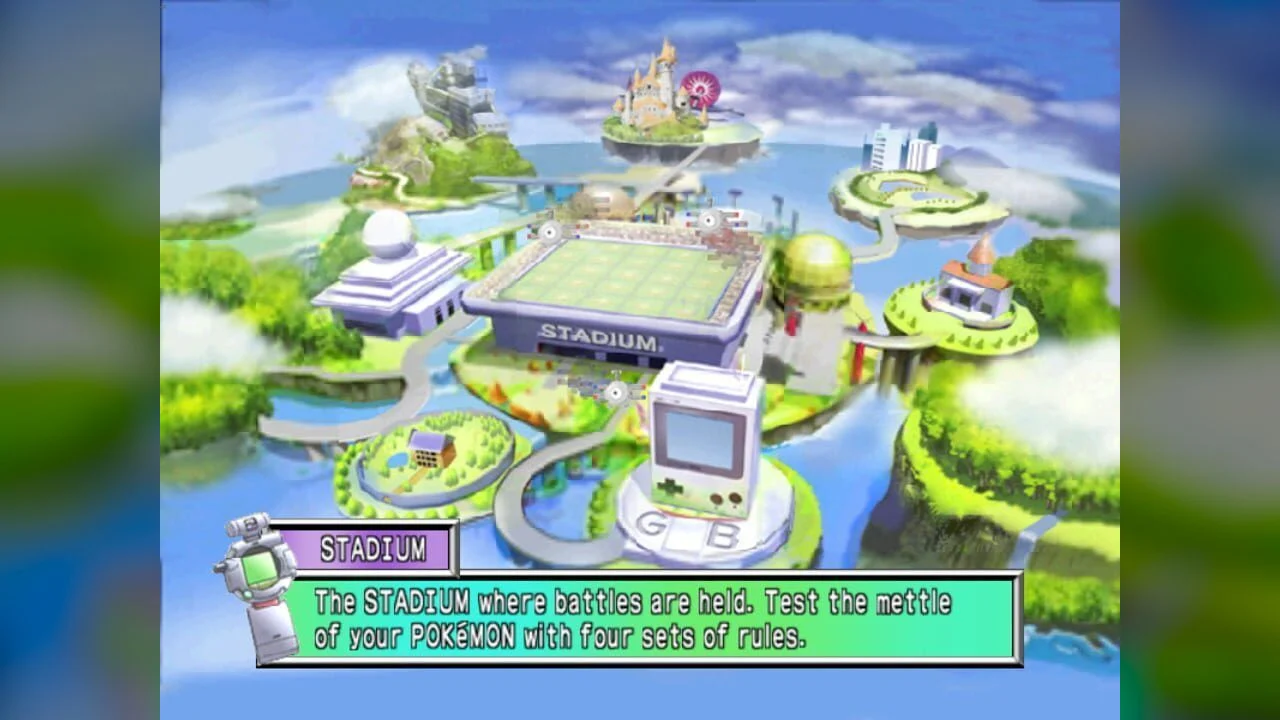
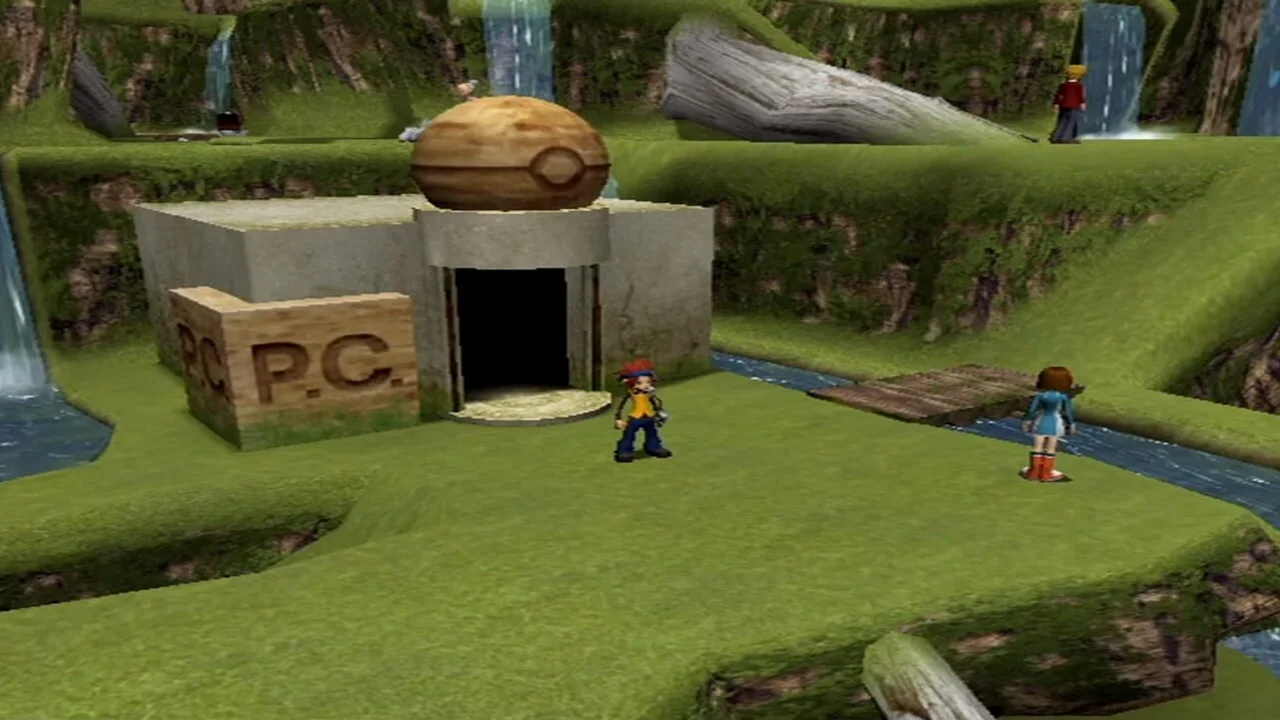
Pokemon Stadium put your Game Boy team on the television. On the console, you upload Pokemon from Red, Blue and Yellow, then watch them fight in full 3D while an announcer treats a simple battle like a final. The tournament mode splits into Cups, and the Gym Leader Castle sends you after the bosses from the Game Boy games. If your party can't keep up, rental Pokemon, borrowed fighters with set moves, let you compete anyway. Between rounds, mini-games turn the game into a party night. The Pokemon Lab, a spot for managing your uploaded Pokemon, connects with your Game Boy games, and the GB Tower mode lets you play your Game Boy cartridge on the television. Stadium 2 brings both of those back.
#27
Pokemon Legends: Z-A (2025)
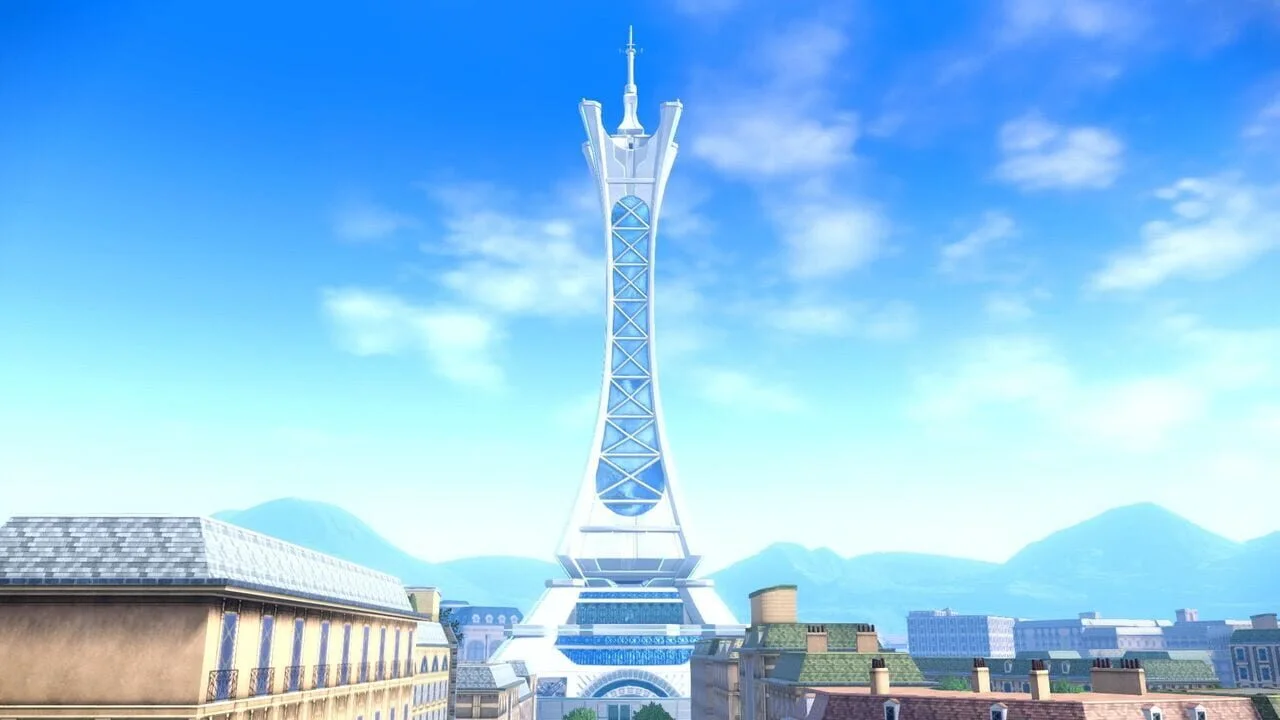
Legends: Z-A is a Switch game that never leaves town, because it takes place entirely in Lumiose City, the largest city in Kalos. It's set after X and Y, while the city is being rebuilt, and parts of it become Wild Zones where you can catch Pokemon. Combat is the big change, since it uses a real-time combat system where you can dodge. You can also temporarily Mega Evolve your Pokemon, a short transformation that powers it up in the middle of a fight. A Battle Zone is where you enter the Z-A Royale, a competition you climb by rank. The ranked Z-A Royale and the side missions are good fun, and the Mega Dimension expansion gives you more to do. Staying in one city does cost you the long road between towns that the main games offer. It's Paris with more Pokemon, which we consider a fair trade.
#26
Pokemon Stadium 2 (2000)
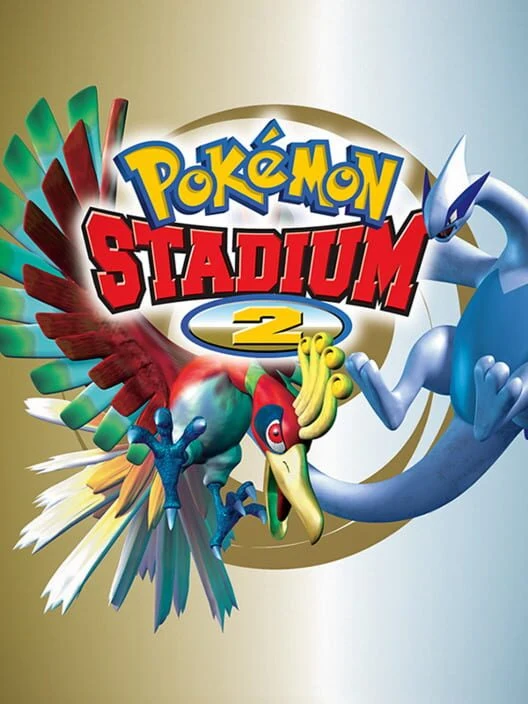
The mini-games steal the show in Stadium 2, which is a funny result for a game built around battles. One has you knock rivals off the arena as Hitmontop, and in another you deliver gifts as Delibird. (Knocking a Hitmontop off the arena is a delight, and we have no notes.) The battles still do plenty, since it holds all the Pokemon from the first and second generations and takes teams from the Game Boy Color games. The Pokemon Lab and the GB Tower mode return, letting you manage your Game Boy party or play the cartridge itself on the console. A Free Battle mode lets a group of friends battle each other. Stadium 2 ranks as a favorite console game for a lot of people who owned it.
#25
Pokemon XD: Gale of Darkness (2005)
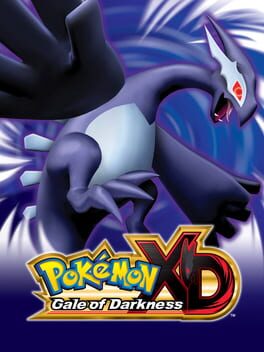
Pokemon XD is the spin-off some people reach for first, a GameCube role-playing game that takes place in Orre, the setting of Colosseum. You begin with an Eevee and play a trainer named Michael by default. Shadow Pokemon are the hook, creatures turned dark by Cipher, the criminal syndicate, and Professor Krane's Snag Machine lets you steal them from other trainers and then purify them. When agents of Cipher kidnap Krane, the job lands on you. The levels progress more like the handheld series, which will feel familiar if you're coming from those. Shadow Lugia is the creature on the box art. You will need a GameCube to play it, and the XD Pokedex, a catalog of the game's creatures, shows what you can snag. Cipher is a name we've seen subtler villains turn down.
#24
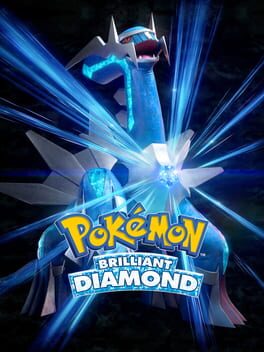
Pokemon Brilliant Diamond and Shining Pearl (2021)
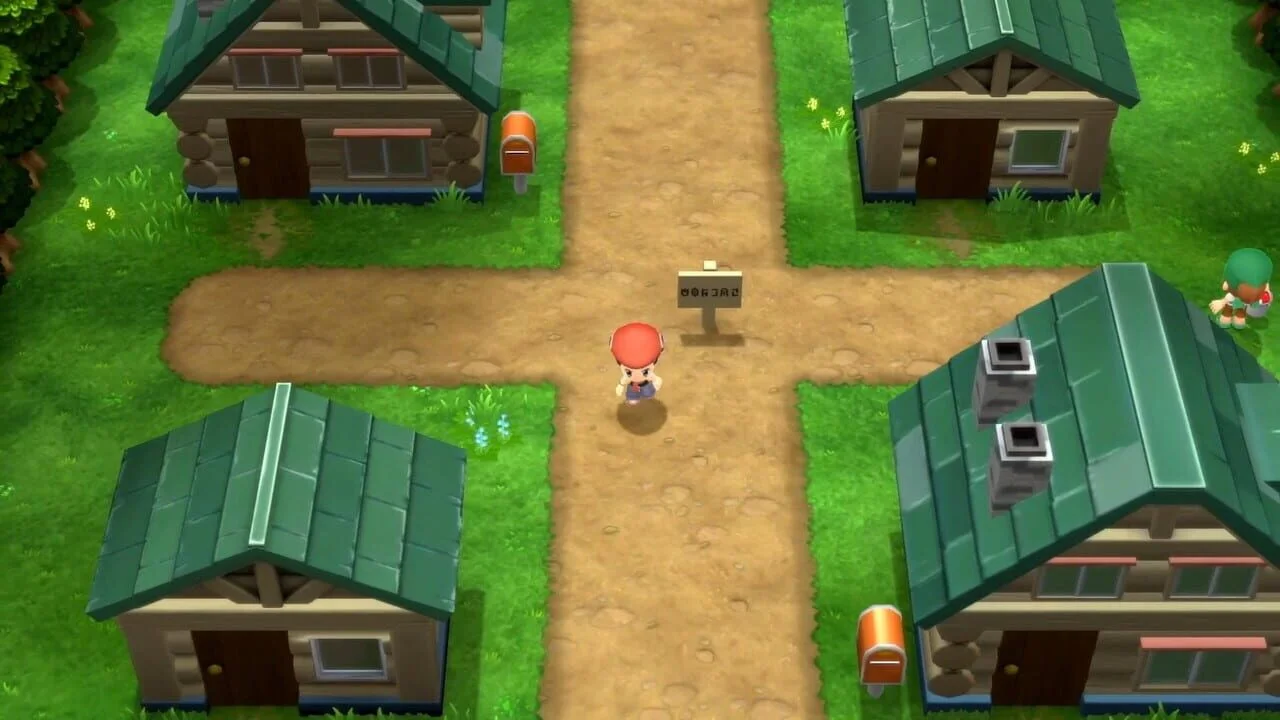
Brilliant Diamond and Shining Pearl are Sinnoh remakes for the Switch, developed by ILCA, and the common gripe is that they stick too closely to the 2006 originals. The story still heads for Spear Pillar, where it reaches its peak, and Sinnoh's lakes still hide the legendary guardians. The main addition is the Grand Underground, the new name for the old Underground. Your lead Pokemon, the one at the front of your party, follows you around. The side activities from Sinnoh's first run came back as well, including Super Contest Shows, where Pokemon are judged on style. A loose Brilliant Diamond was $35.07 in US listings in November 2026, against $38.62 for a loose Diamond.
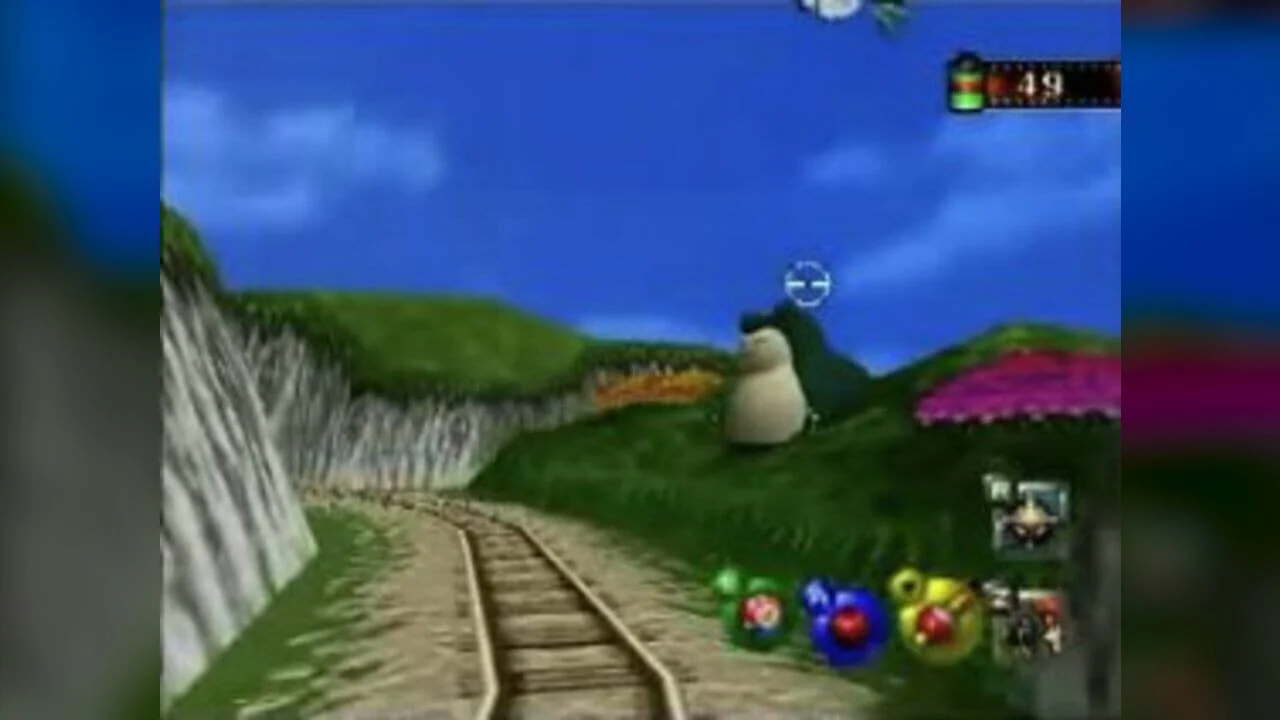
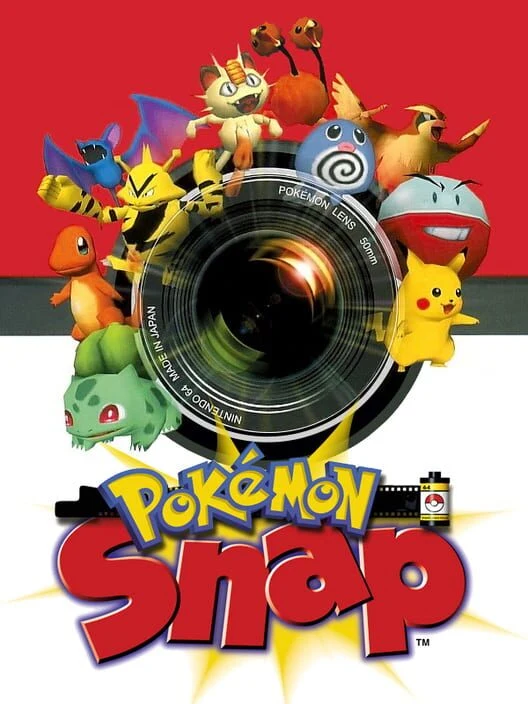
Pokemon Snap let you take your cartridge to Blockbuster or Lawson stores and have pictures from the game printed as stickers. The game itself is a console title, and the Zero-One, your vehicle, follows a linear path while you photograph part of the original generation of 151. An apple draws a Pokemon closer and a pester ball makes one move. The flute gets a reaction, and at the end you choose your strongest shot of each Pokemon for Professor Oak to rate. Mew is a hidden prize for anyone paying attention. The one knock is that it ends too soon. Our Pikachu photo remains the proudest work we've done, and nobody has asked to see it.
#22
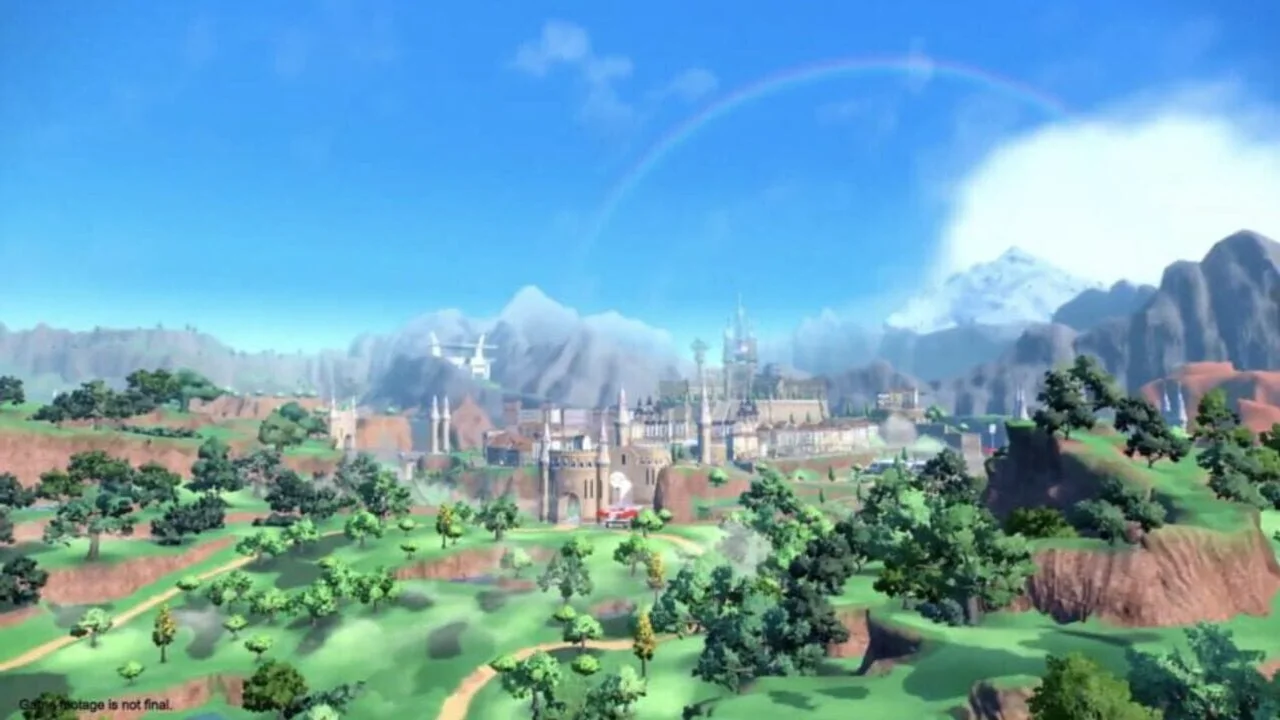
Pokemon Scarlet and Violet (2022)
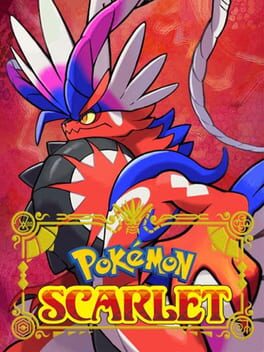
Scarlet and Violet are the first main games built as an open world, a map you can roam freely, and launch was rough, with bugs and lag. You explore the Paldea region, based on the Iberian Peninsula, with Koraidon or Miraidon depending on your version, and you start your studies at Naranja Academy or Uva Academy. There are separate stories to complete instead of one road. A Pokemon can transform into its exclusive Tera Type, a special type it takes on in battle, and friends can team up in Tera Raids, group battles built around that trick. Their generation holds 120 Pokemon in 79 evolution families, lines that evolve into each other, against 96 Pokemon in 60 evolution families for the generation before. The Hidden Treasure of Area Zero expansion pass adds more after the credits, and it's a big stop among the Switch games.
#21
Pokemon Red and Blue (1996)
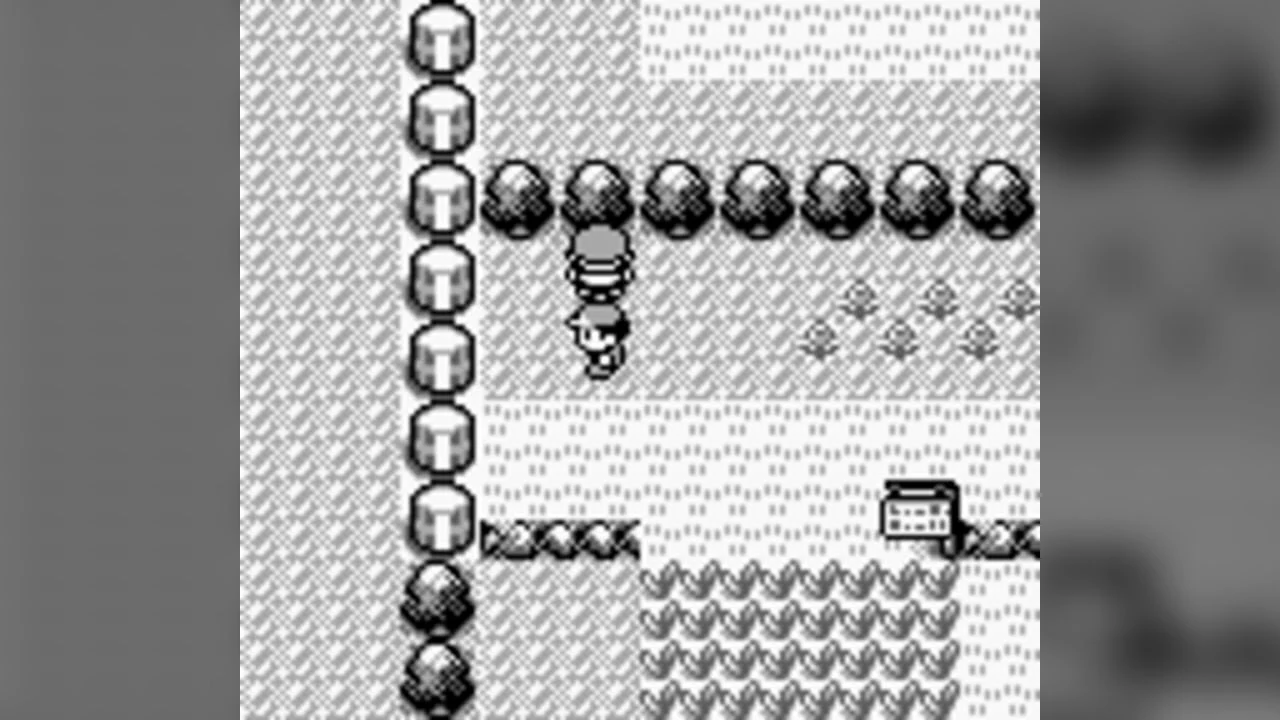
For a lot of us this is where Pokemon began, and Red and Blue reached over 31 million by 2024 worldwide. It reached the Game Boy in Japan as Red and Green in February 1996, with Satoshi Tajiri directing. You start in Pallet Town in the Kanto region, and the goal is to obtain all 151 Pokemon. The Game Link Cable, a lead between Game Boy systems, let friends connect, and Bill's PC storage system kept your spare catches safe. Stops like Mt. Moon and the Silph Co. building are where the walk gets going. A glitch Pokemon called MissingNo. became famous. The Red Pokedex lists everything you can find.
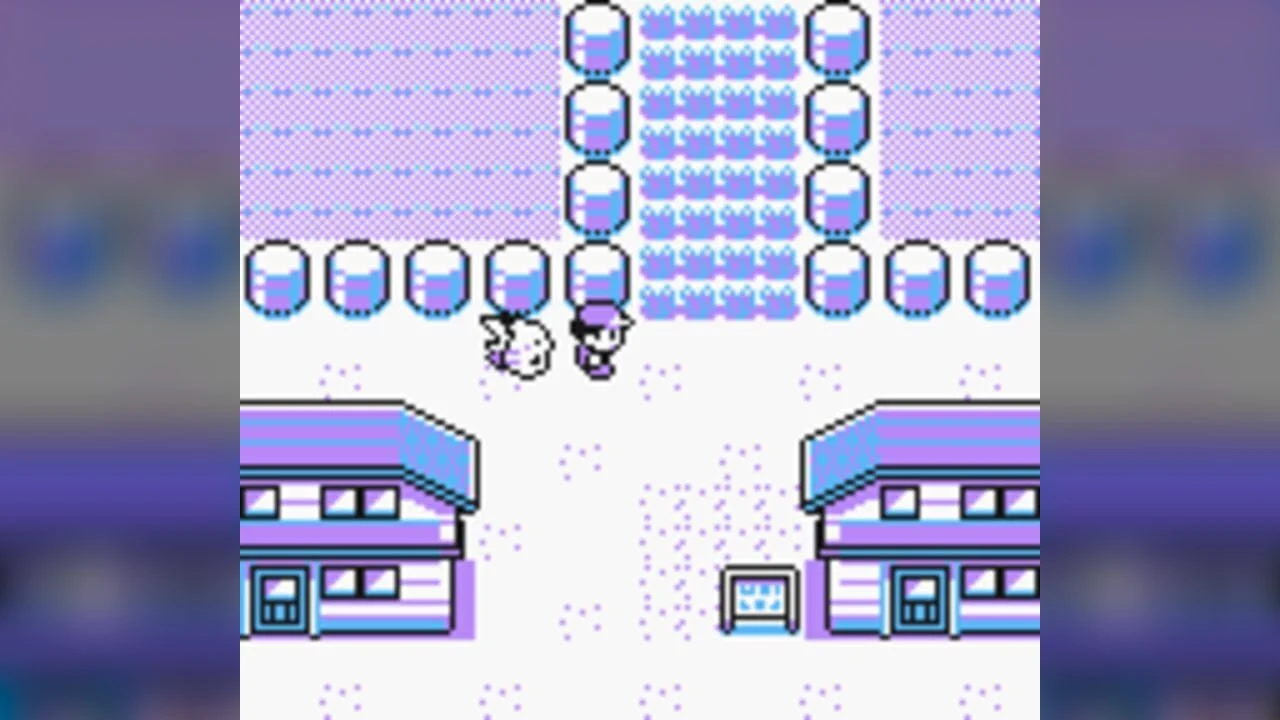
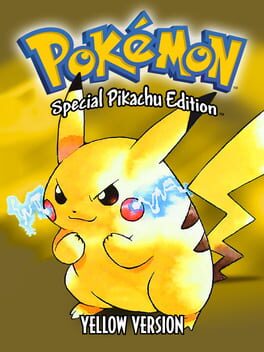
Pikachu trailing behind you is the charm of Yellow, and the full name, Special Pikachu Edition, tells you who's in charge. Pikachu is the only starter you can have, which costs you the usual first choice of partner. In return, it breaks out of its Poke Ball and walks behind you, with a voice and a personality of its own. The idea came back later in bigger forms, since your lead Pokemon follows you in HeartGold and SoulSilver, and your partner rides on your shoulder or head in the Let's Go games. Team Rocket still supplies the trouble, and the Yellow Pokedex lists what you can catch.
#19
Pokemon Diamond and Pearl (2006)
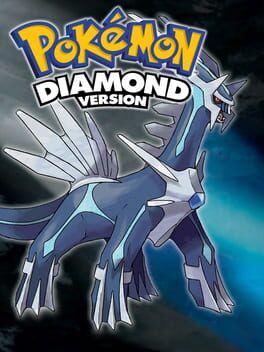
Diamond and Pearl changed how every move works, and that rule is the reason to care about them. Each move became physical or special on its own, a label that decides which attack stat it uses, and Gyarados finally gets to hit hard with a physical Water move. They sit among the early DS games, set in Sinnoh, a snowy region with Mount Coronet at its center, with 107 new Pokemon and Internet play over the Nintendo Wi-Fi Connection. Team Galactic, led by Cyrus, wants to remake the universe, and the Pokétch gives you apps like a calculator and a map. The games sold at least 5.21 million by 2007, and that's only six months of sales. Walking and surfing both feel slow, though. The Diamond Pokedex lists the Sinnoh roster you can find.
#18
Pokemon Ultra Sun and Ultra Moon (2017)
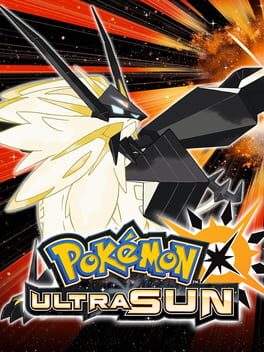
Ultra Sun and Ultra Moon return to Alola, the Hawaii-inspired setting of Sun and Moon, and their big idea is a reunion. Team Rainbow Rocket gathers earlier villain bosses, including Giovanni. The story leans on Necrozma, the legendary Pokemon shown in its Dusk Mane or Dawn Wings form, and Ultra Wormholes, portals you travel through. Poipole and Naganadel join the roster. Mantine Surf adds a mini-game and the Totem Stickers add a collection to chase. If you've played Sun and Moon, you're walking the same islands again, although these sit among the later 3DS games. A loose Ultra Sun was $44.92 in US listings in November 2026, against $23.60 for a loose Sun. The Ultra Sun Pokedex has the full roster.
#17
Pokemon Colosseum (2003)
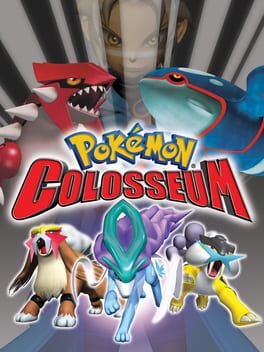
Colosseum is a tougher, more challenging ride than the handheld games, and the way you build a team is why. It's the first Pokemon role-playing game on a home console, and you play Wes, a former member of Team Snagem, in Orre. Wes carries the Snag Machine, which lets you steal Shadow Pokemon from other trainers instead of catching them in the grass. Your party is small, and the battles put a pair of Pokemon on each side, which means every steal matters. There are still Colosseum Battles to win and a Ho-Oh to get once the main road ends, and Mt. Battle is a long trainer challenge. Quick Battle lets you play against friends. Wes has never cracked a smile in our presence, and we respect it. The Colosseum Pokedex shows what you can snag.
#16
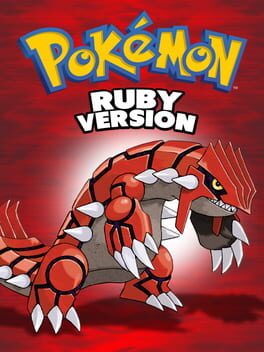
Pokemon Ruby and Sapphire (2002)
Ruby and Sapphire opened a new generation on the Game Boy Advance and rebuilt how a fight works. Double battles put two Pokemon on each side, and abilities are innate traits that change a fight on their own. Nature, a new trait, changes the stats of each Pokemon, and Contests, shows where Pokemon are judged, arrive alongside 135 new Pokemon. Hoenn is a set of islands that is mostly sea routes, and Hoenn asks for a lot of surfing. Groudon and Kyogre front the story, and Rayquaza sleeps at the Sky Pillar. Secret bases were added as a one-off feature, and the Ruby Pokedex lists the Hoenn roster. A loose Ruby was $90.00 in US listings in November 2026, against $36.57 for a loose Omega Ruby, its later remake. All that surfing gave us plenty of time to rehearse a Contest speech nobody asked for.
#15
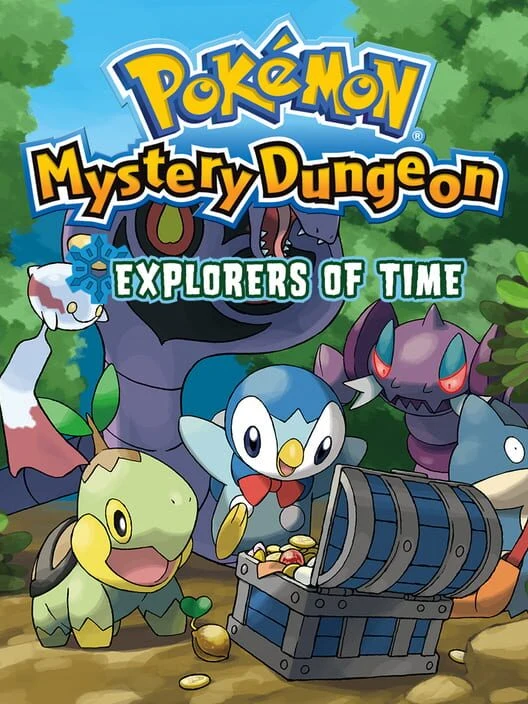
Pokemon Mystery Dungeon: Explorers of Time and Explorers of Darkness (2007)
The story is what hooks people in Explorers of Time and Explorers of Darkness, and these DS games belong to the Mystery Dungeon spin-off series. You wake up as a Pokemon with no memory of being human, and the partner you pick stays with you through the whole story. The two of you join the Wigglytuff Guild and head into dungeons on missions. A criminal named Grovyle has been stealing artifacts called the Time Gears, which keep time flowing in each region, and that gives the plot its pull. If your team falls during the story, you lose all your money and a chunk of your items. A follow-up later came out on the same hardware. We saw the twist coming and got emotional anyway.
#14
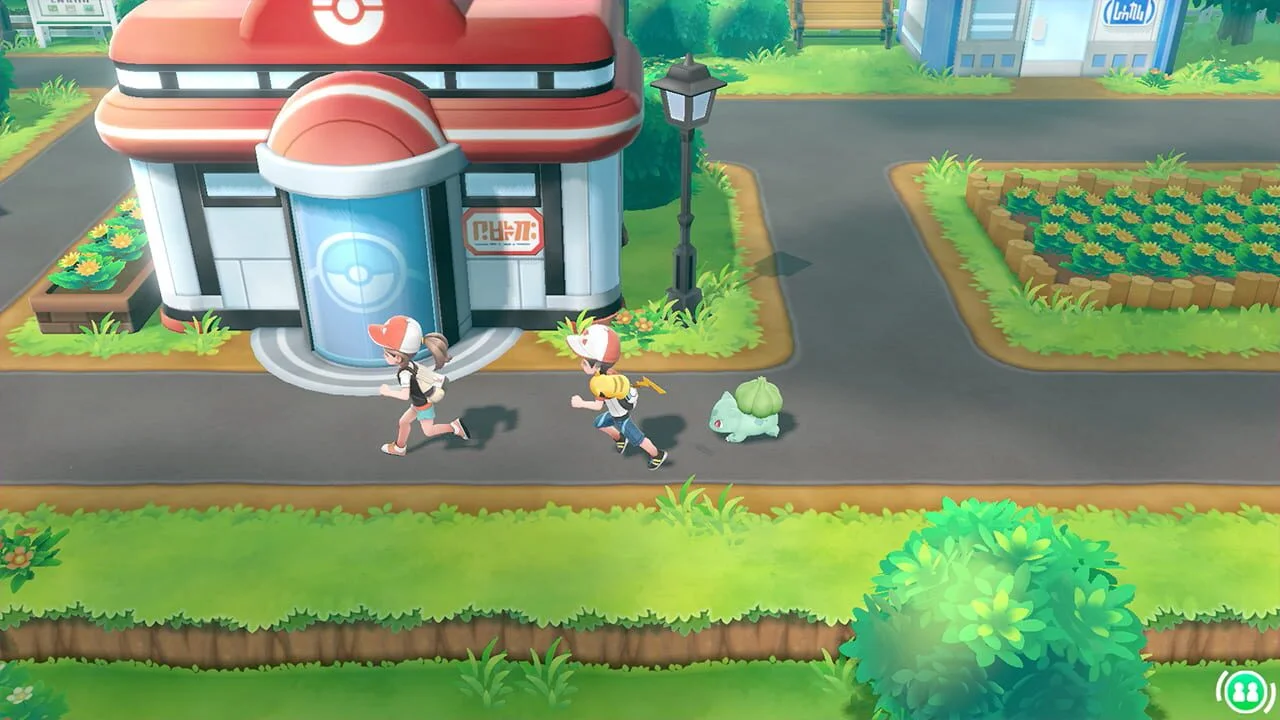
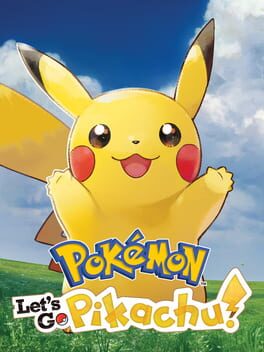
Pokemon Let's Go, Pikachu! and Let's Go, Eevee! (2018)
These Switch games change how you meet a Pokemon, and the rest of the design follows from that choice. There are no wild battles, and catching uses a motion that resembles Pokemon Go, the mobile spin-off. You throw berries to calm a Pokemon before you throw a ball, and the optional Poke Ball Plus controller adds a ball-shaped way to do it. The games include the original 151 Pokemon, and your partner Pikachu or Eevee rides on your shoulder or head. A second person can join, since the game only needs one Joy-Con per person. If fighting wild Pokemon is the reason you play, that's a real loss. Legends: Arceus also lets you catch wild Pokemon without battling, although that's a choice there and the only route here.
#13
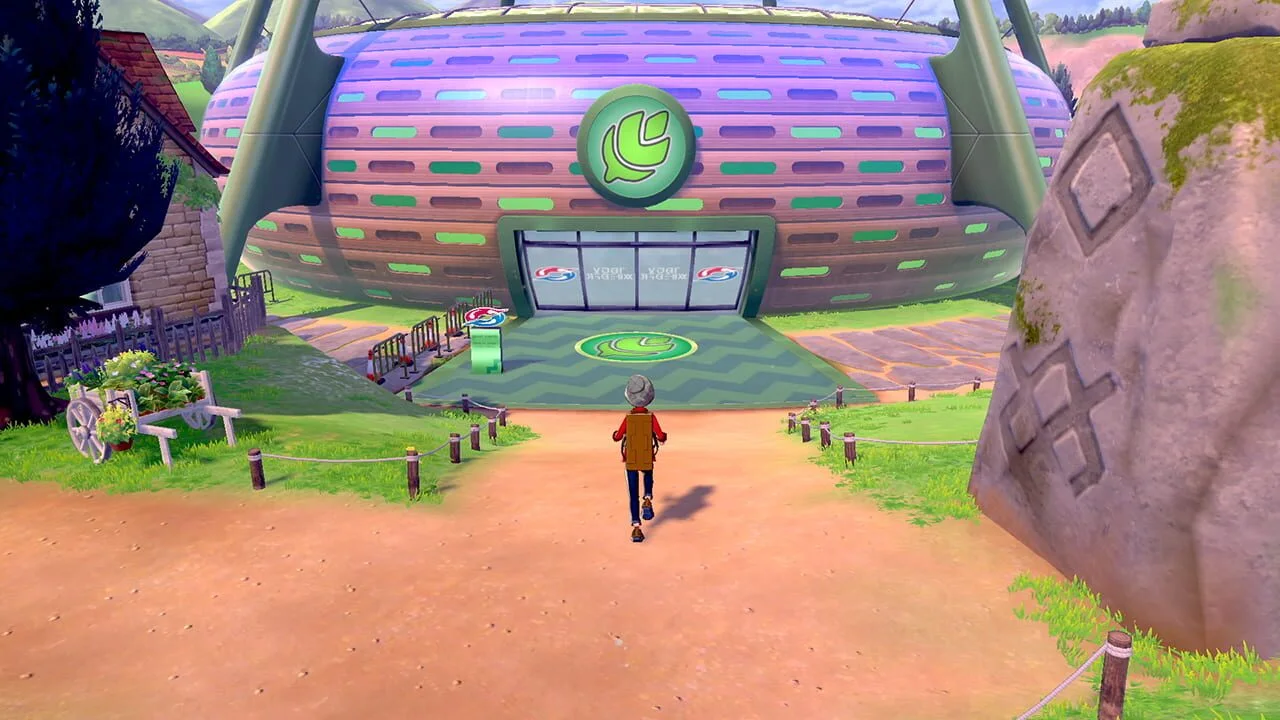
Pokemon Sword and Shield (2019)
The Wild Area is the high point of Galar, and it's what Sword and Shield brought to the Switch. It's a fully explorable open world area inside a country inspired by the United Kingdom, where Leon is the Champion you're chasing. The battle trick is Dynamax and Gigantamax, which make a Pokemon grow to giant size, and Max Raid Battles are team fights against those giants with other people. The Isle of Armor and the Crown Tundra came later as expansions. That generation brought 96 Pokemon in 60 evolution families, and a lot of older Pokemon were left out of the Galar Pokedex. The Wild Area also came before the open maps of Legends: Arceus and Scarlet and Violet, which shows where the series was heading.
#12
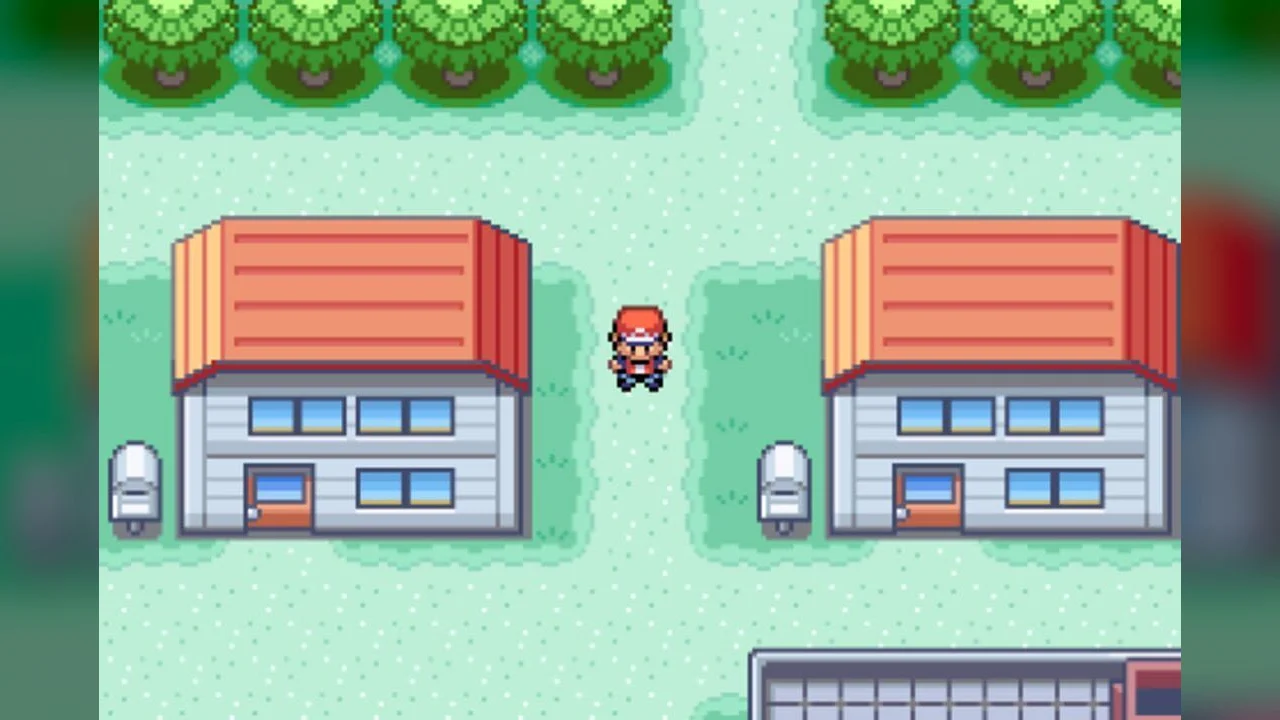
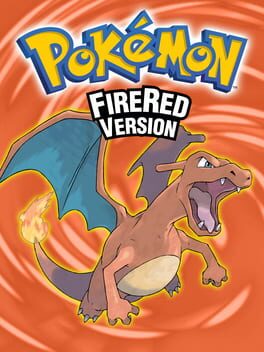
Pokemon FireRed and LeafGreen (2004)
FireRed and LeafGreen are the first enhanced remakes in the series, and this is where Pokemon started selling you its own past. You return to Kanto, and a help menu explains the basics for anyone new to it. The Game Boy Advance Wireless Adapter keeps the cable out of it when you connect with friends. The biggest addition waits until the end, since the Sevii Islands, reached after the Elite Four, the final bosses of the league, hold Rocket hideouts and Pokemon from Johto, the region of Gold and Silver. The islands also tie it to other Game Boy Advance games, because finishing them opens trades with Ruby and Sapphire for Hoenn Pokemon. The remake also costs more than its source, with a loose FireRed at $100.00 in US listings in November 2026 and a loose Red at $51.96.
#11
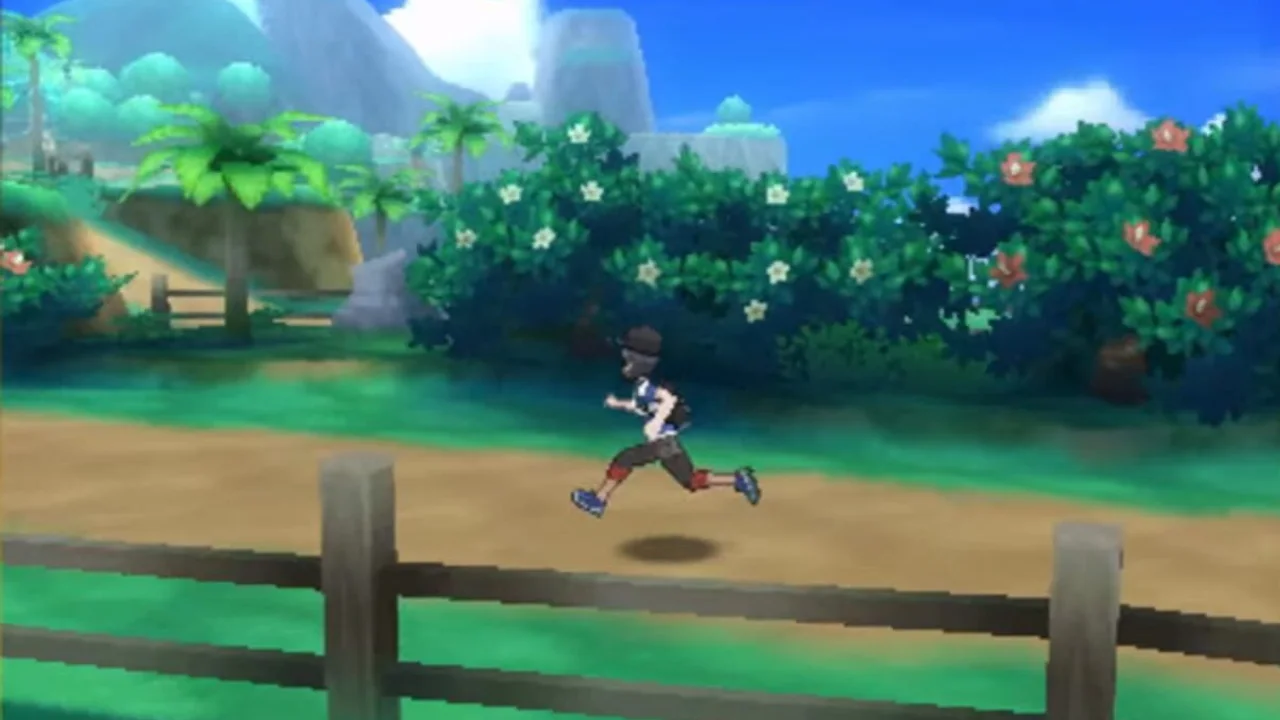
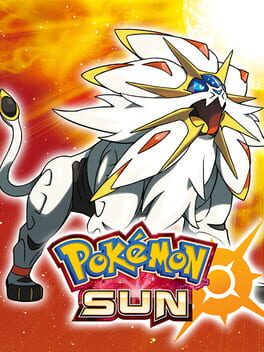
Pokemon Sun and Moon (2016)
Sun and Moon build their trip around the Island Challenge in Alola, a Hawaii-inspired chain on the 3DS. Its Island Trials end in a fight with a Totem Pokemon, an oversized boss, while Professor Kukui and your friend Hau see you on your way and a Pokemon called Nebby pulls you into the story. Z-Moves are powerful moves, and Alolan forms give older Pokemon a new shape, like an Ice and Steel Sandshrew. Pokemon Refresh lets you pet and feed your party. Team Skull supplies the schemes along the way. Festival Plaza is an online hub for trading and mini-games, and the Battle Tree is a post-game challenge. Alola's generation holds 88 Pokemon in 56 evolution families, Mimikyu among them. We can't take a crisis seriously when Nebby is involved, and that's our failing.
#10
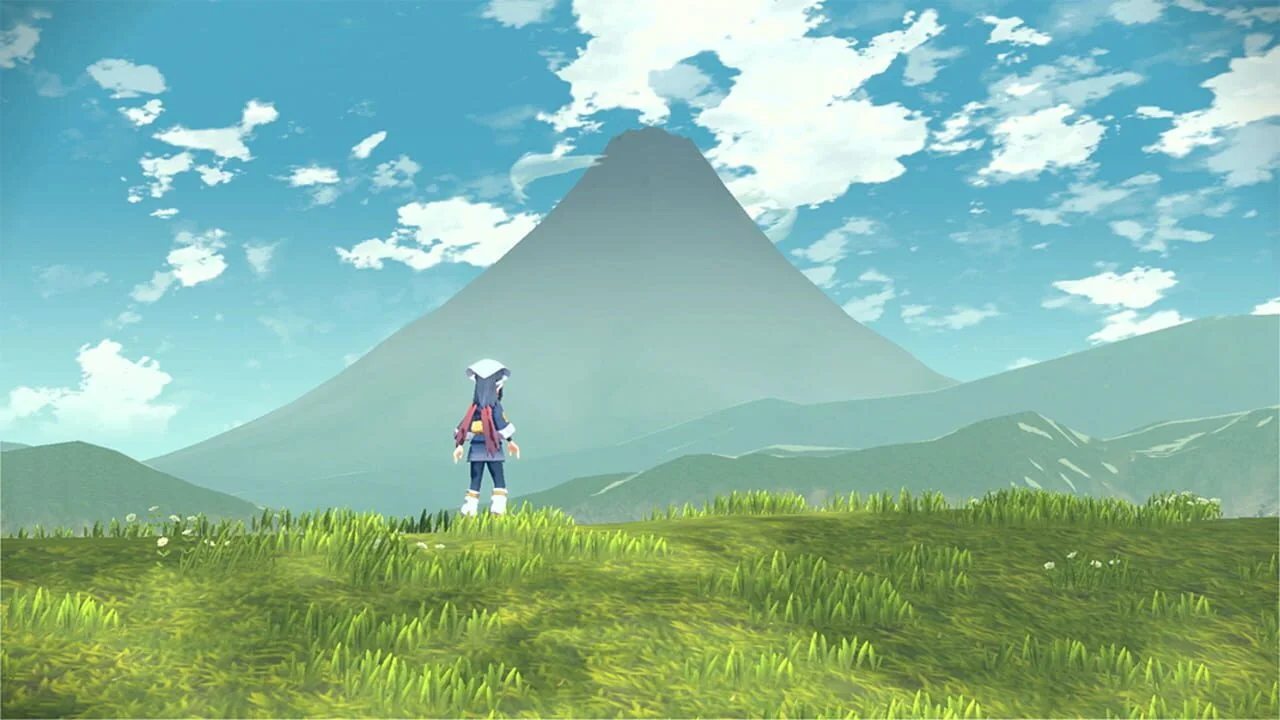
Pokemon Legends: Arceus (2022)
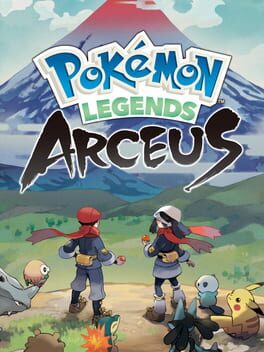
Catching Pokemon in open fields is a joy, and Legends: Arceus builds everything around it. It's a prequel set in Hisui, the old Sinnoh, where you join the Galaxy Expedition Team at Jubilife Village. You can catch wild Pokemon in the overworld without battling, which means a plain stroll can fill your Pokedex. Each Pokemon has research tasks, and Alpha Pokemon, oversized wanderers, roam alongside the rest. The strong style adds power to a move, while the agile style adds speed. Noble Pokemon boss fights, where you calm a raging Pokemon by throwing balms, are the set pieces, and the finale with Arceus closes it out. Among the Switch games, it's the older of the Legends pair, and it spreads across open land where Z-A stays in one city. We've thrown more balms at furious Pokemon than we can justify.
#9
Pokemon Gold and Silver (1999)
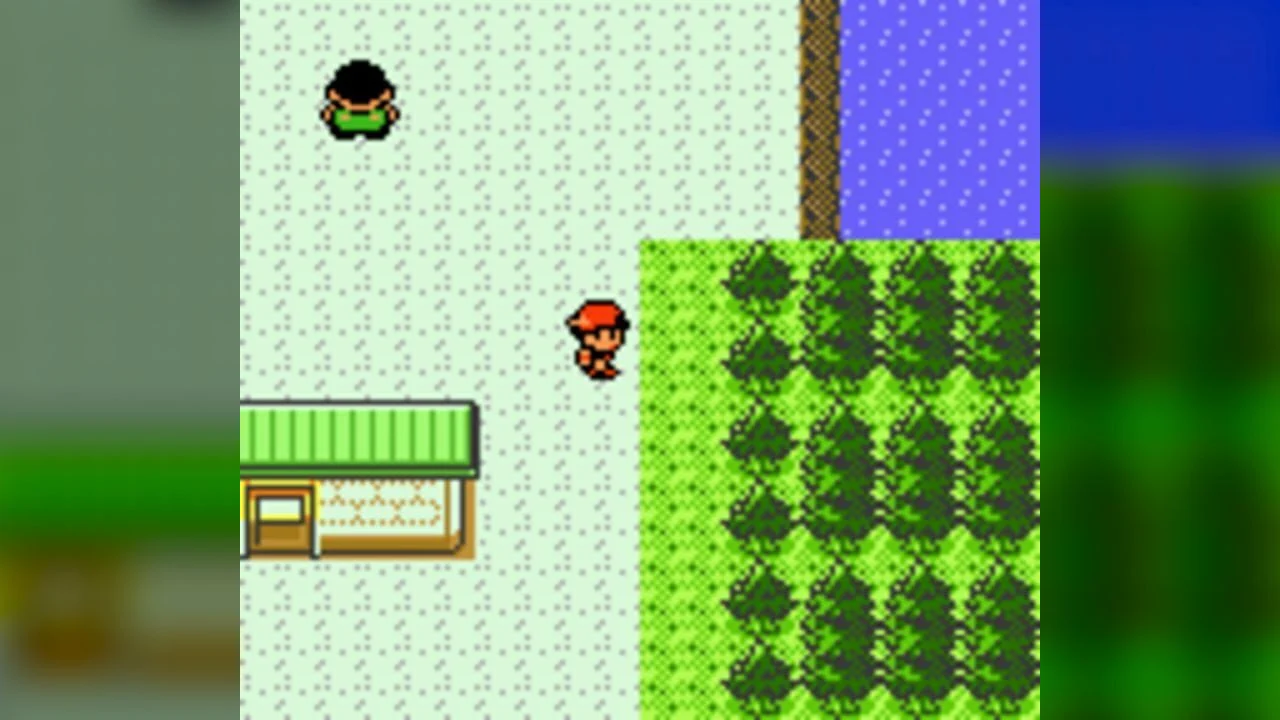
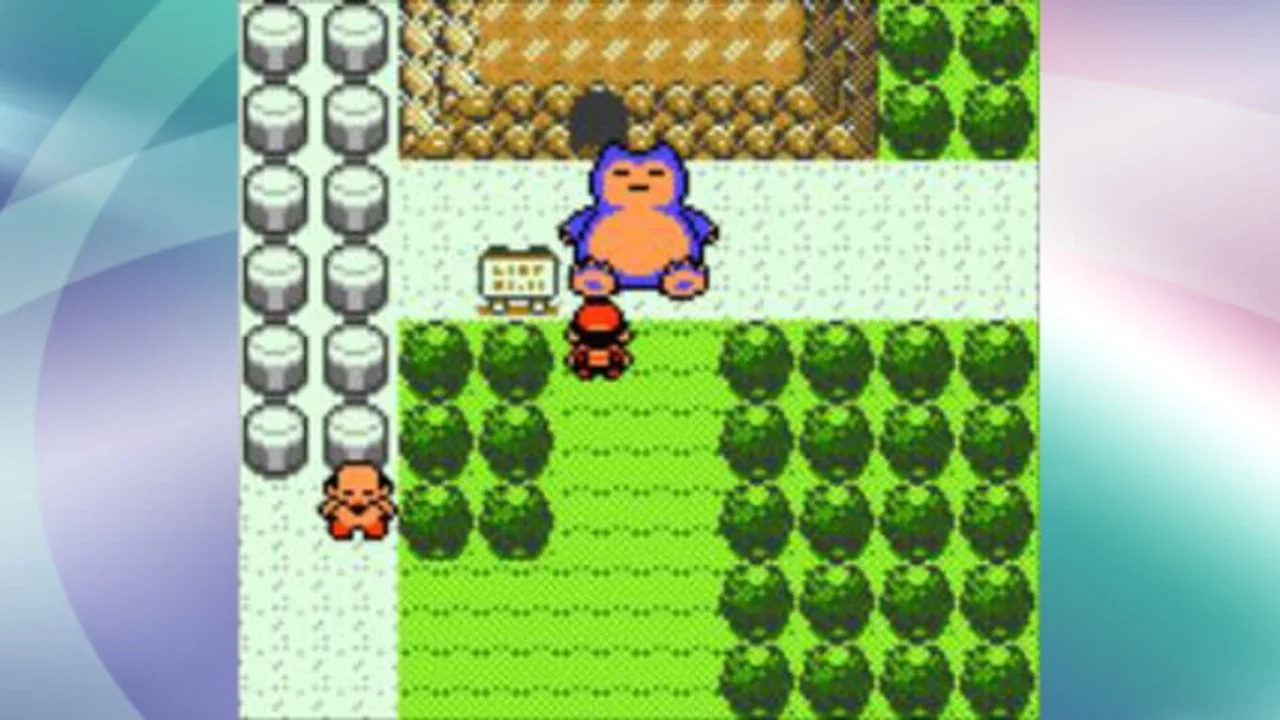
Gold and Silver keep going long after you'd expect them to stop. They run on the Game Boy Color in Johto, to the west of Kanto, and after beating the Johto League you can travel back to Kanto and take on those Gym Leaders too, with Red, the hero of the first games, waiting at the top of Mount Silver. As the first games of the second generation, they add 100 new Pokemon to the original 151. A real-time clock runs the world, and the hour you play changes what appears. We once lost a long evening to finding out what time Hoothoot comes out. Steel and Dark arrive as new types, and the Pokegear doubles as a map and radio. Your first egg is a Togepi from Elm's assistant. The Time Capsule lets you trade with the first generation, and the Gold Pokedex shows who lives where.
#8
Pokemon Black 2 and White 2 (2012)
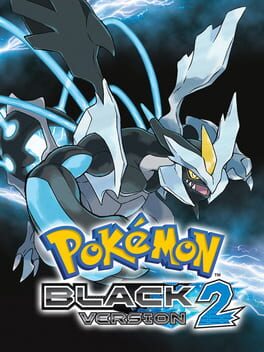
Black 2 and White 2 are the first sequels in the series, which makes them a rare thing in Pokemon. They return to Unova on the DS after the events of Black and White, and Team Plasma is back in a new form. There's no Pokemon Grey, partly because that title clashed with the theme of opposites. The Pokemon World Tournament lets you battle Brock and Misty in one place, and Hidden Grottoes are scattered all over Unova and hold items and Pokemon with their Hidden Abilities, rarer abilities than usual. Pick a harder difficulty if you want a fight. Black 2 and White 2 include a feature called the Memory Link, which shows flashbacks of what happened between the first pair and these games, and Pokestar Studios lets you take part in making Pokemon movies. The pair sold at least 7.81 million by 2013, and a loose Black 2 was $124.47 in US listings in November 2026, against $76.47 for a loose Black.
#7
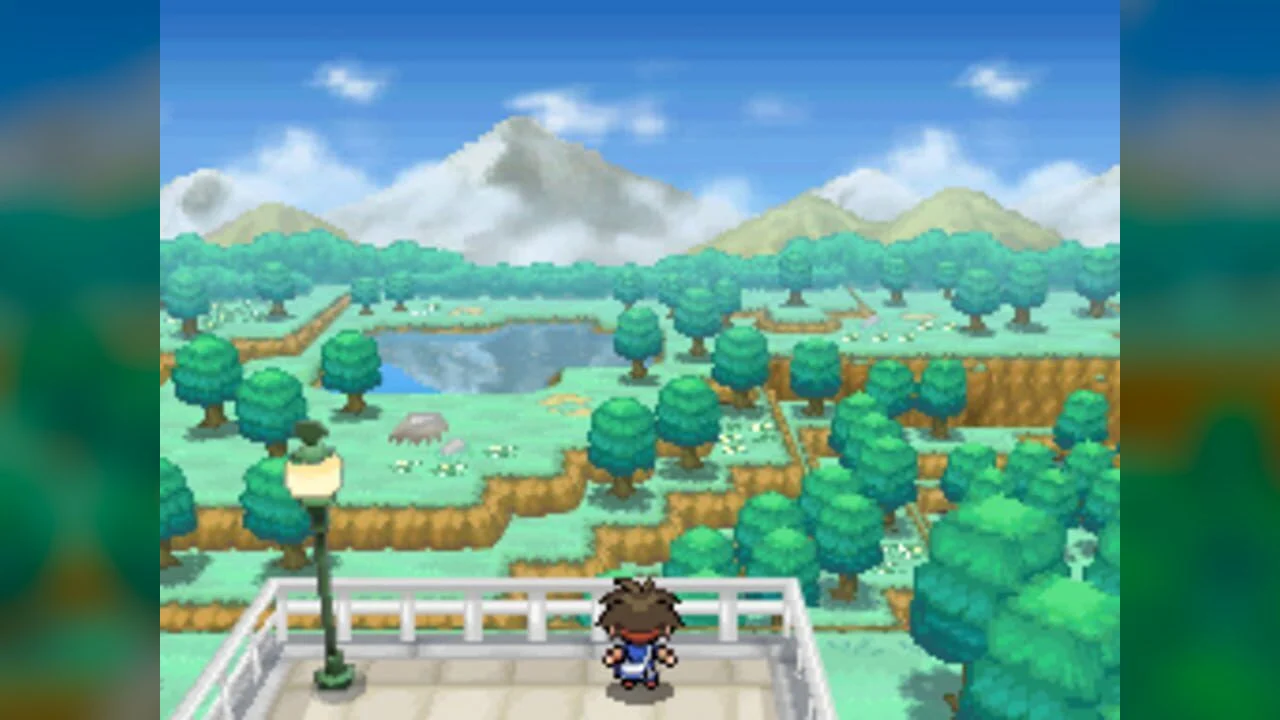
Pokemon Black and White (2010)
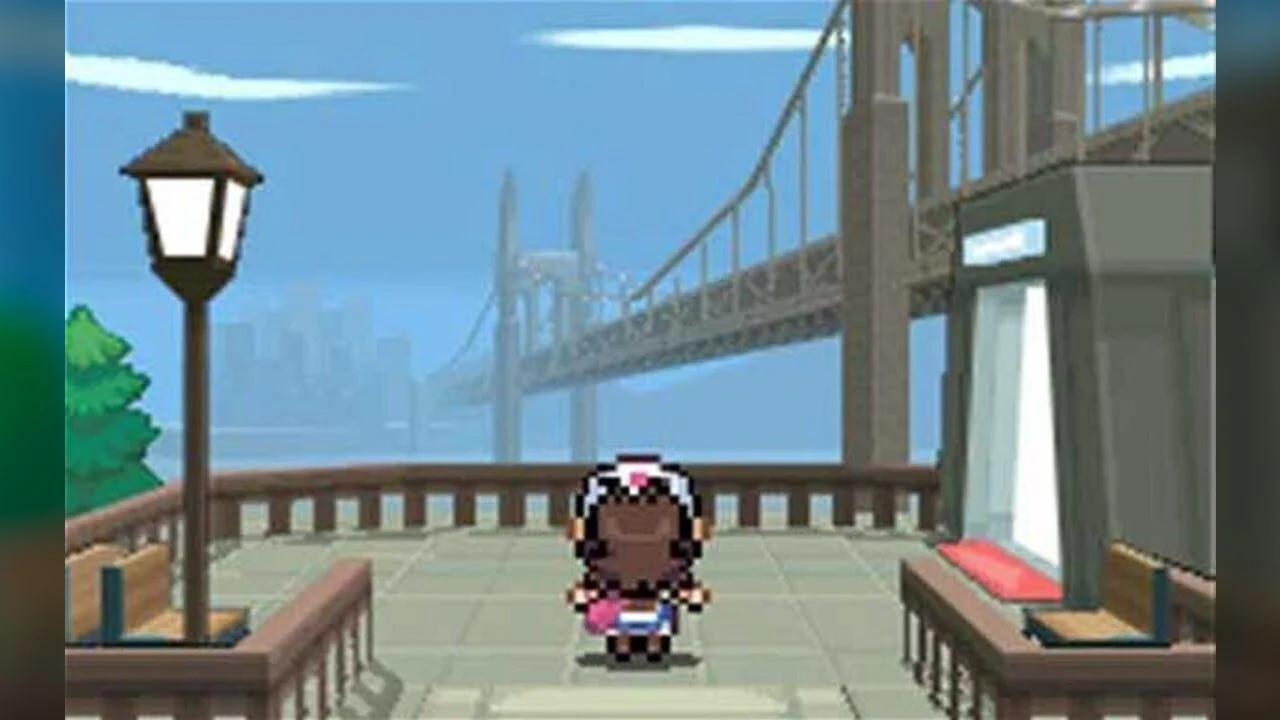
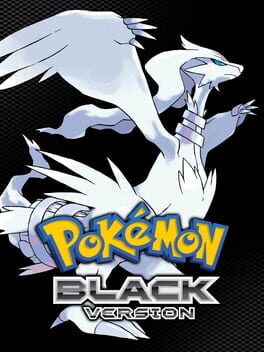
Black and White began a new era on the DS by hiding all the old Pokemon until the post-game, the stretch after the credits. In their place you get 156 new Pokemon, the largest batch of any generation and more than the original 151. The catch is plain enough, since a favorite from an earlier game has to wait. Unova is built around bridges and skyscrapers, and Skyarrow Bridge and Castelia City are sights you remember. A seasonal cycle changes the world, and the Pokemon sprites are animated. Battles also gain new formats. Unova's plot has a reputation as a good one, and it rests on Team Plasma's leader N, who asks whether trainers should keep Pokemon at all, and Ghetsis, who stands behind him. The Dream World let you befriend Pokemon online, and the Black Pokedex holds new species until the credits roll.
#6
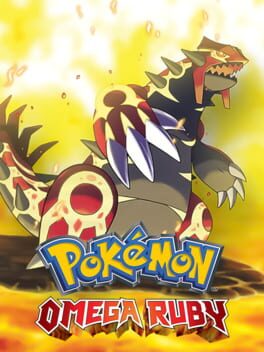
Pokemon Omega Ruby and Alpha Sapphire (2014)
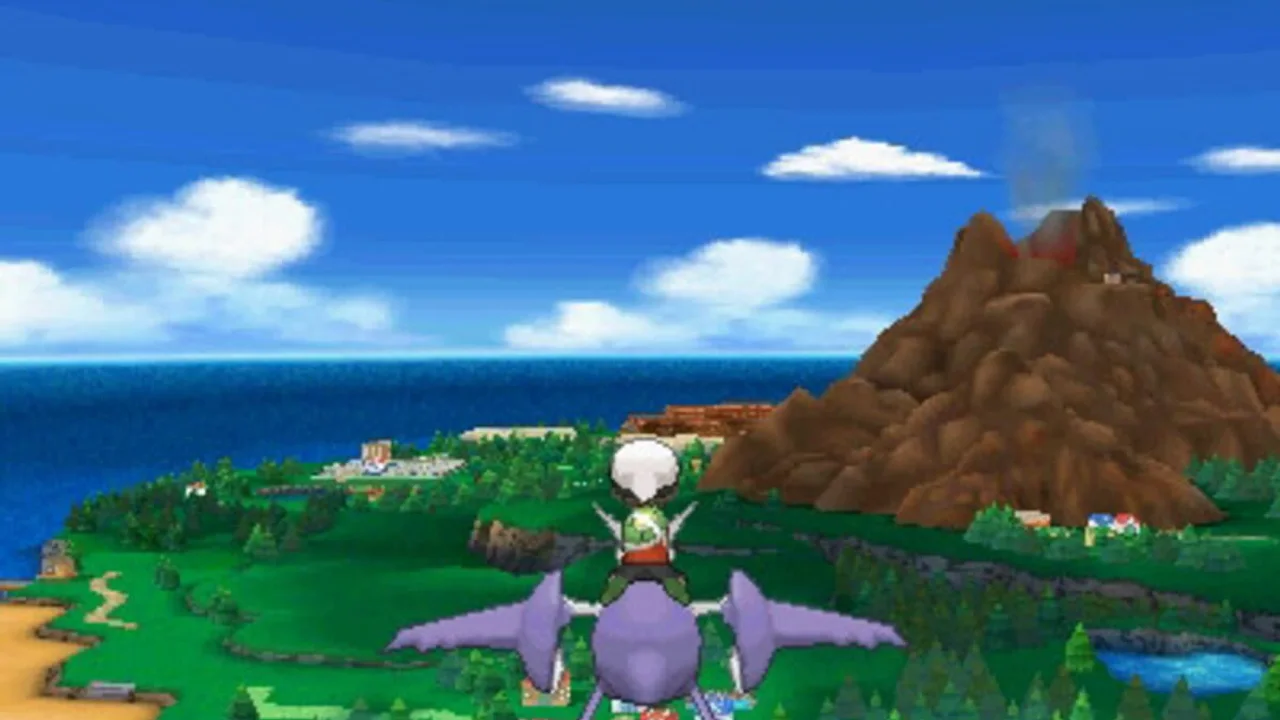
The Super Secret Bases are a highlight of Omega Ruby and Alpha Sapphire, which is a nice turn for an idea that began as a one-off feature in Ruby and Sapphire. These are remakes of Ruby and Sapphire for the 3DS, and they add plenty around those hideouts. Primal Reversion gives Kyogre and Groudon ancient forms, and you can soar over Hoenn on Latios or Latias. The Delta Episode, a side story after the credits, brings in Mega Rayquaza and a meteor racing toward Hoenn, with a new character called Zinnia. The DexNav on the touch screen helps you track Pokemon, and Contest Spectaculars update the old shows. Hoenn still asks for a lot of surfing, although soaring gives you another way across. We've never felt this calm about a meteor.
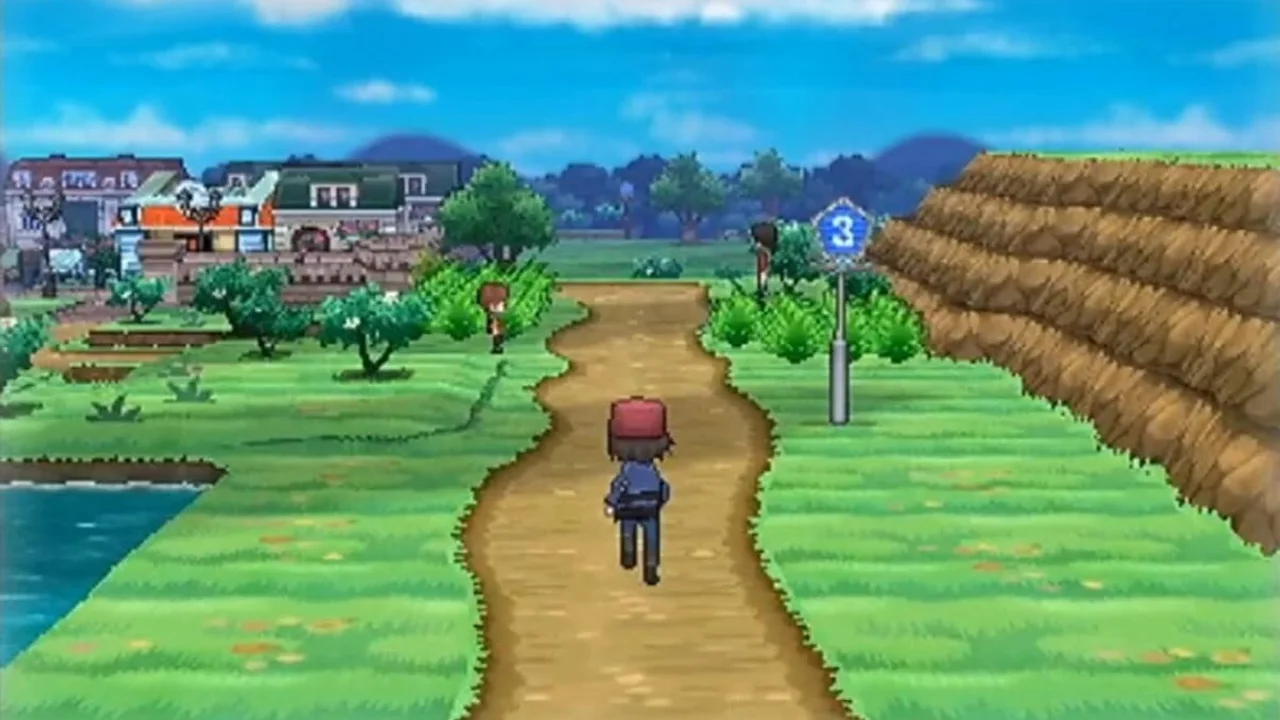
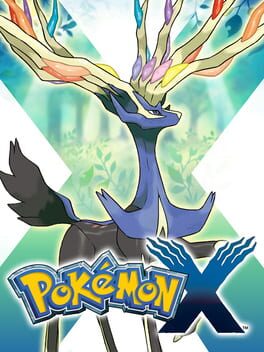
X and Y are the first Pokemon games in full 3D, and they arrived on the 3DS in Kalos, a France-inspired region with Lumiose City as its centerpiece. Mega Evolution is the famous part, a one-battle transformation through a Mega Stone, and it reached Charizard and Mewtwo. The Fairy type, which finally gave Dragons a counter, is the other big arrival. The surprise is how small the new batch is, with 72 new Pokemon in 38 evolution families, the fewest of any generation. Pokemon-Amie lets you interact with your Pokemon, and customizing your trainer's clothes was new as well. A Safari for each friend on your 3DS list opens up, filled with Pokemon of one type. Team Flare wants a more beautiful world, although hardly anything in Kalos pushes back. We remember the Lumiose tower far better than anything that happened around it.
#4
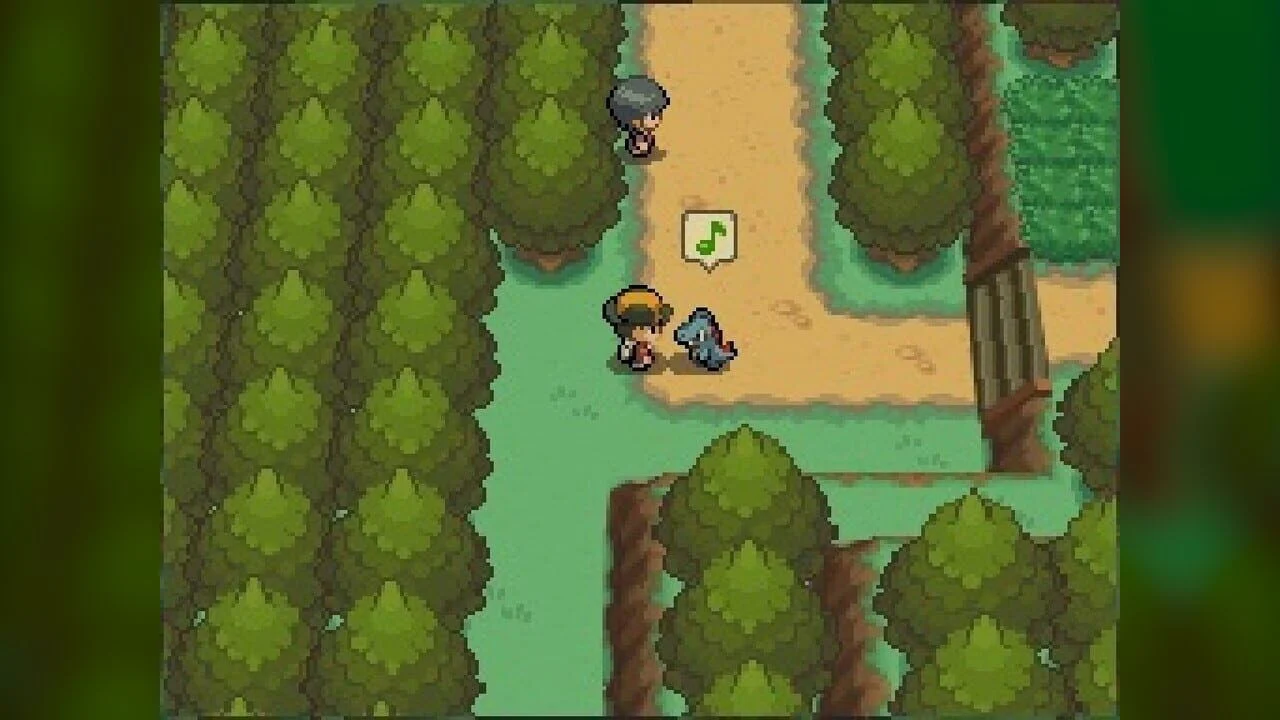
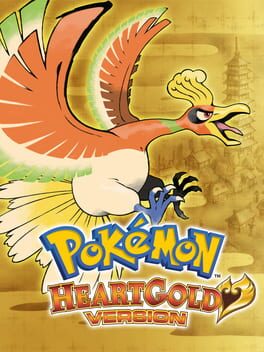
Pokemon HeartGold and SoulSilver (2009)
HeartGold and SoulSilver are a near-perfect mix of old story and new features, and they remake Gold and Silver on the DS. Your lead Pokemon follows you around, the idea Yellow had with Pikachu, and the Pokewalker is a pedometer, a step counter, that lets you walk with a Pokemon. You get a touch-screen Pokegear, and after the credits there's the Battle Frontier, a set of extra battle facilities. There's also a Safari Zone you can customize, a catching area you shape yourself. Crystal's Suicune story comes along too, which folds the enhanced version of Gold and Silver into this one. The Bell Tower in Ecruteak City and the Whirl Islands hold the big legendary meetings, and the Lake of Rage is back. The pair sold at least 8.4 million by 2010, and a loose HeartGold was $145.46 in US listings in November 2026, against $55.99 for a loose Gold.
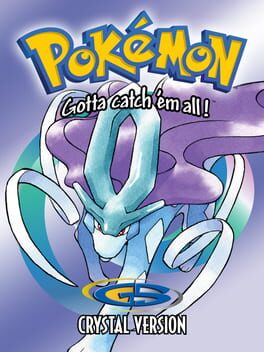
Choosing a girl for the first time was a big deal, and Crystal is where the option to play as a girl arrived. It's the enhanced version of Gold and Silver on the Game Boy Color, and it was the first game in the series that could not run on the original Game Boy. The new chapter follows Suicune, with a man named Eusine on the same trail, and it ends at the Tin Tower. The Battle Tower has you fight a series of trainers in a row, and animated Pokemon sprites appear the first time you meet each one. The Mobile Adapter GB, a phone link for the Game Boy Color, brought trading and battling over a connection. The Crystal Pokedex lists who you can find.
#2
Pokemon Platinum (2008)
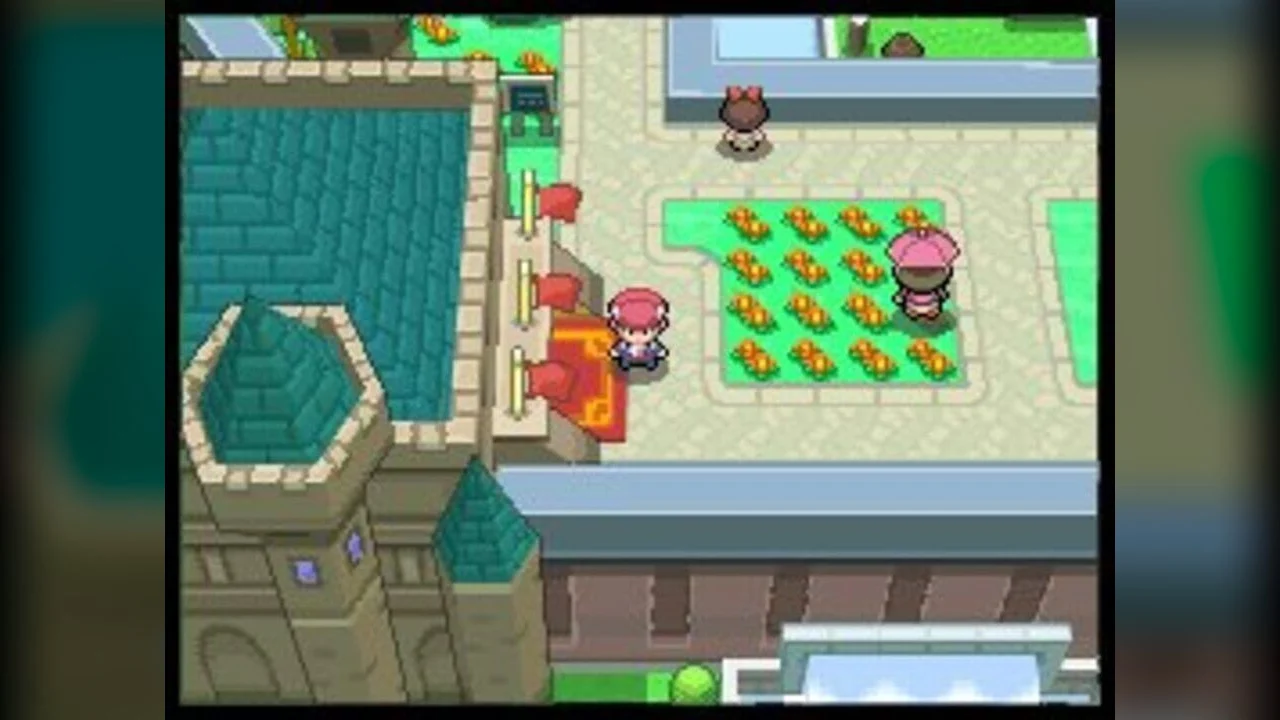
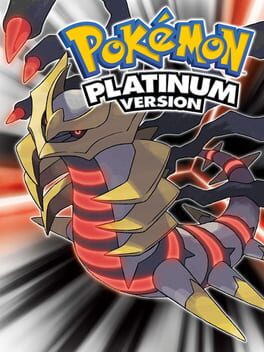
Platinum is the version that cures the slow pace of Diamond and Pearl, and it does it in a lot of small ways. Some features run faster than in Diamond and Pearl, and the DS game has a darker, snowier look. The big new place is the Distortion World, where physics gets distorted, and Giratina, shown in its Origin Forme on the cover, waits inside. You get more than one chance to catch it after defeating it. Looker, a police investigator, trails Team Galactic, and a new admin named Charon joins the villains. Sinnoh gets its own Battle Frontier, borrowed from Emerald, including the Battle Castle and the Battle Hall. The Fight Area and the Survival Area were out of reach in Diamond and Pearl, and here you can explore them. The Wi-Fi Plaza adds a lobby with Pokemon-themed mini-games.
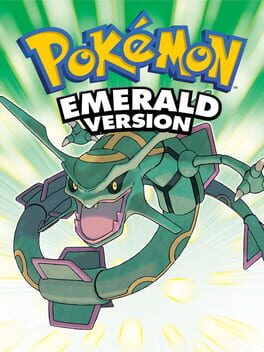
The Battle Frontier is what everyone brings up with Emerald, an island of facilities like the Battle Tower. Emerald is the third Hoenn game, on the Game Boy Advance, and you face both Team Magma and Team Aqua, who originally could only be faced in separate versions. Rayquaza ends up at the center of the story. Gym Leaders can be re-battled, which no earlier game allowed, and some fights put you against two trainers at once. Animated sprites bring the battles to life, and new areas are added to the Safari Zone. Hoenn still asks for a lot of surfing, and that part of the trip hasn't changed. The Frontier also outlived this cartridge, because Platinum borrowed it for Sinnoh and HeartGold and SoulSilver put one after the credits. (We've been told to play it so many times that we've stopped arguing.)