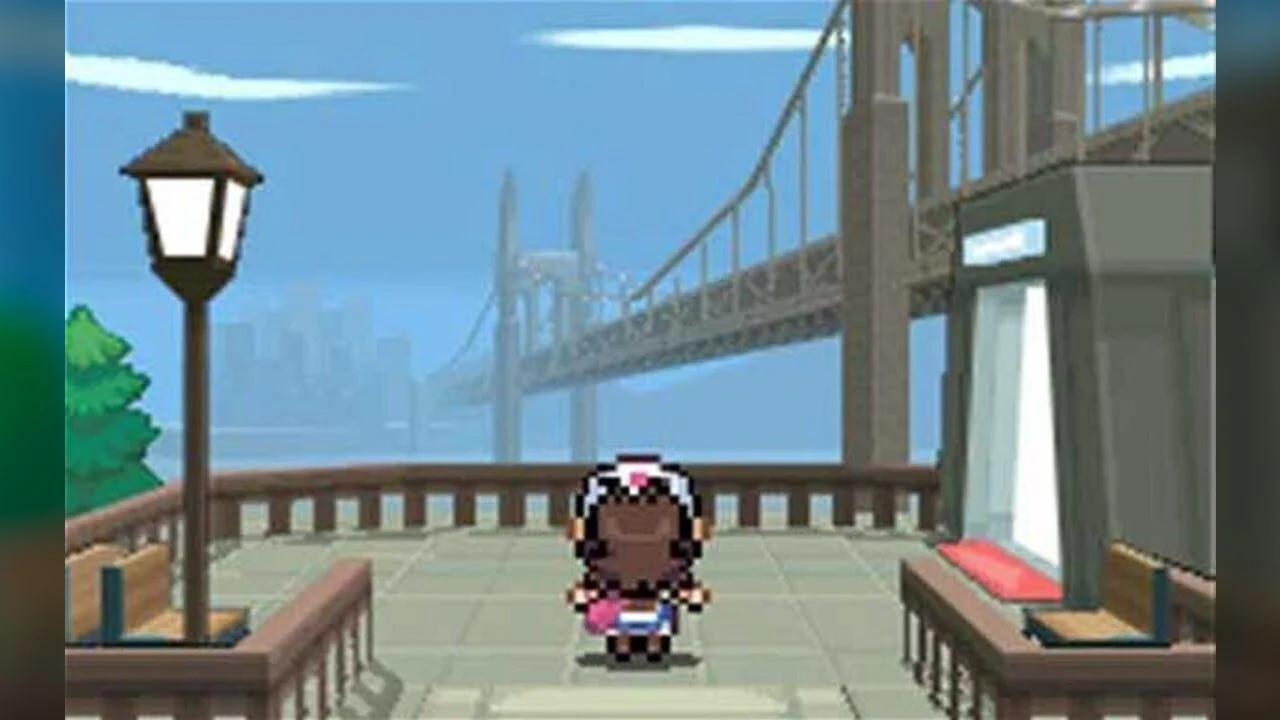
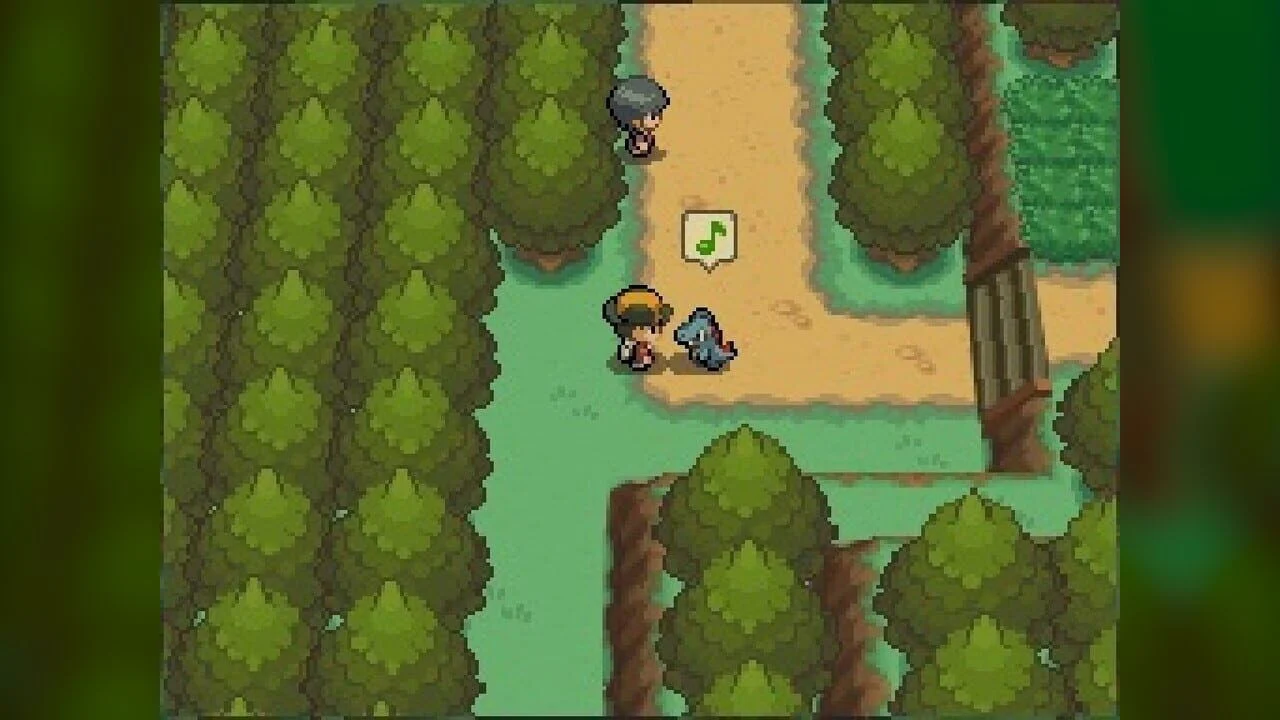
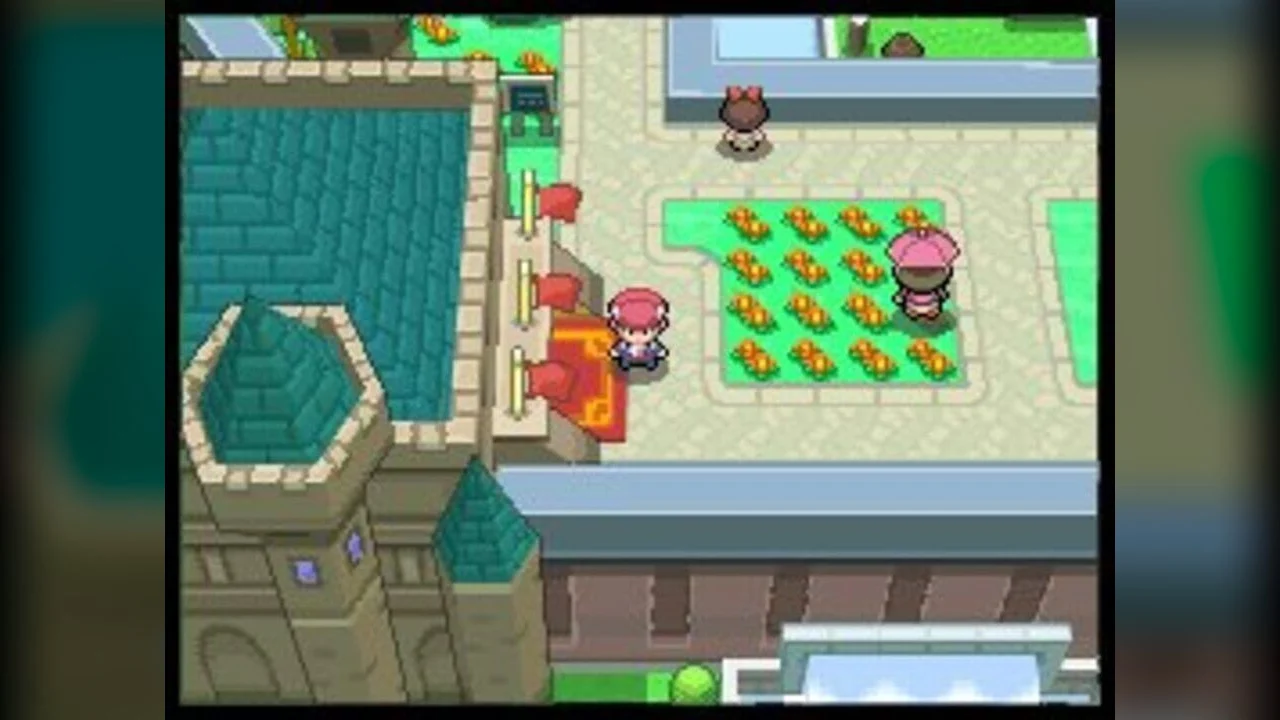
Picking from the best Pokemon DS games comes down to what sort of Pokemon game you want, because this console holds a lot more than the main series. One cartridge has you drawing circles around wild Pokemon with a stylus, and another is a strategy crossover with Nobunaga's Ambition.
The main series gets its share too, with Sinnoh and Unova both taking a turn. That spread is why a DS shelf is still fun to dig through, and why it helps to know which cartridge does what before you buy one. For the other consoles, see our full list of the best Pokemon games.
The Best Pokemon DS Games, Ranked
#10
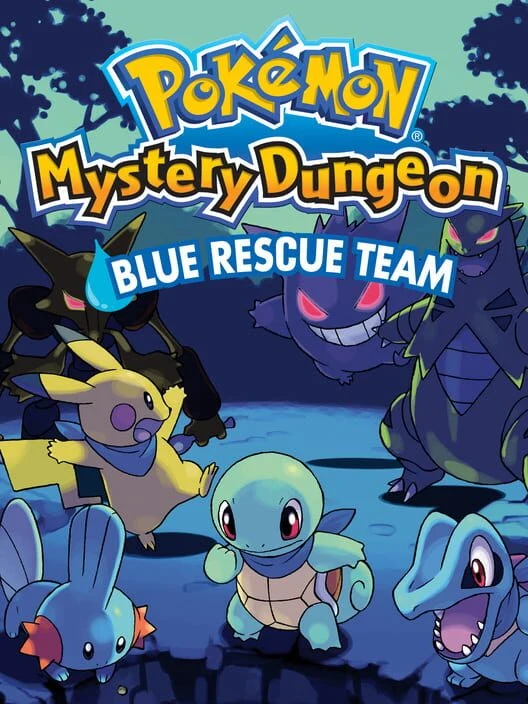
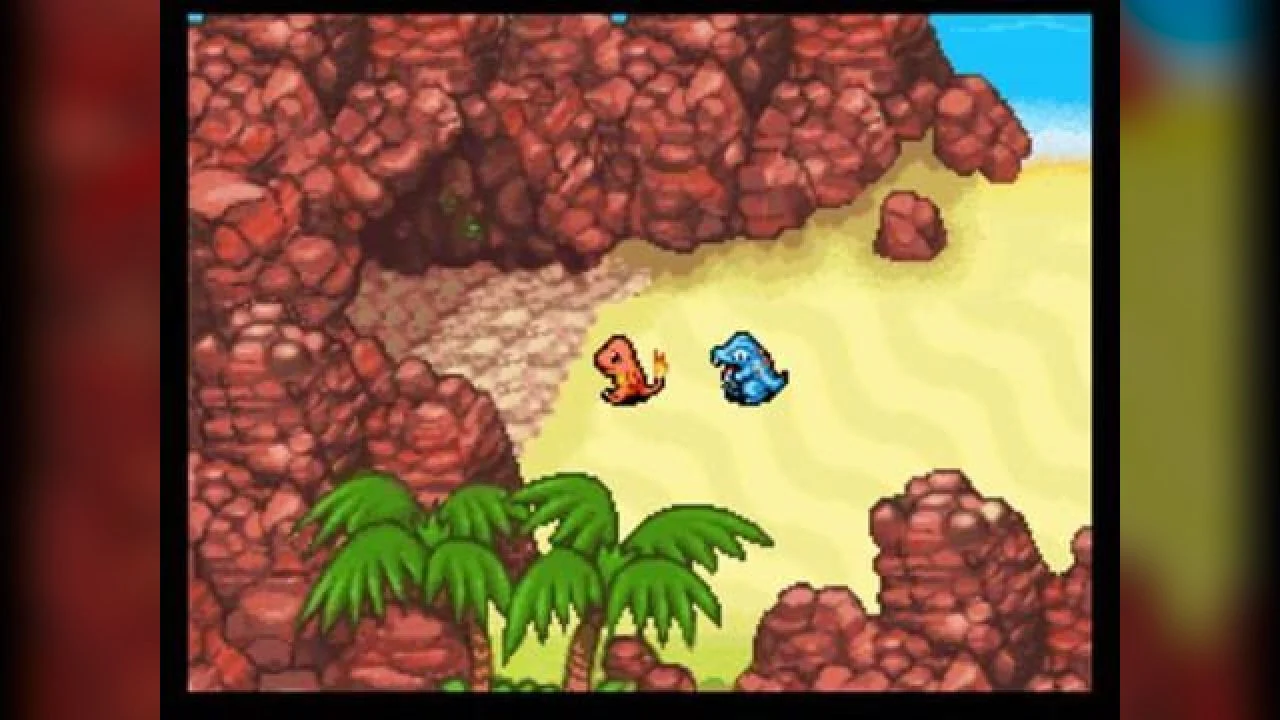
Pokemon Mystery Dungeon: Blue Rescue Team (2005)
Blue Rescue Team looks like a hand-me-down, since the DS version does not improve graphically on the GBA version. Even so, its success helped the developer Chunsoft avoid bankruptcy, which gives a plain-looking game more history than its looks suggest. You play as a Pokemon instead of a trainer, in a world inhabited entirely by talking Pokemon, and a personality quiz picks your form. The idea was praised as original, although opinion on the rest of it was mixed.
The work itself starts with jobs taken from a bulletin board. Those jobs happen in dungeons whose layout is randomized, with the touch screen showing the map and the top screen showing the details of your party. A job fails if you or a client you're escorting is defeated, and before the credits it fails if your partner is defeated too. Blue is followed by the Explorers games, a sequel pair with Generation IV Pokemon and better Wi-Fi, which leaves it as the starting point for the DS dungeon crawlers. (We've walked a lot of clients into a lot of walls.)
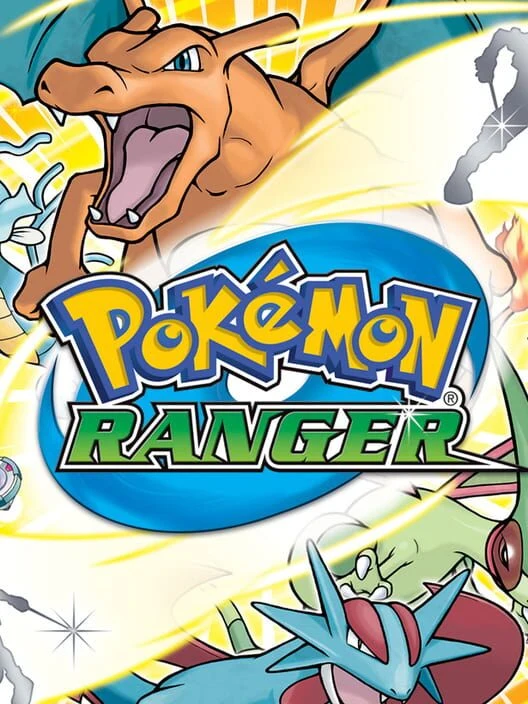
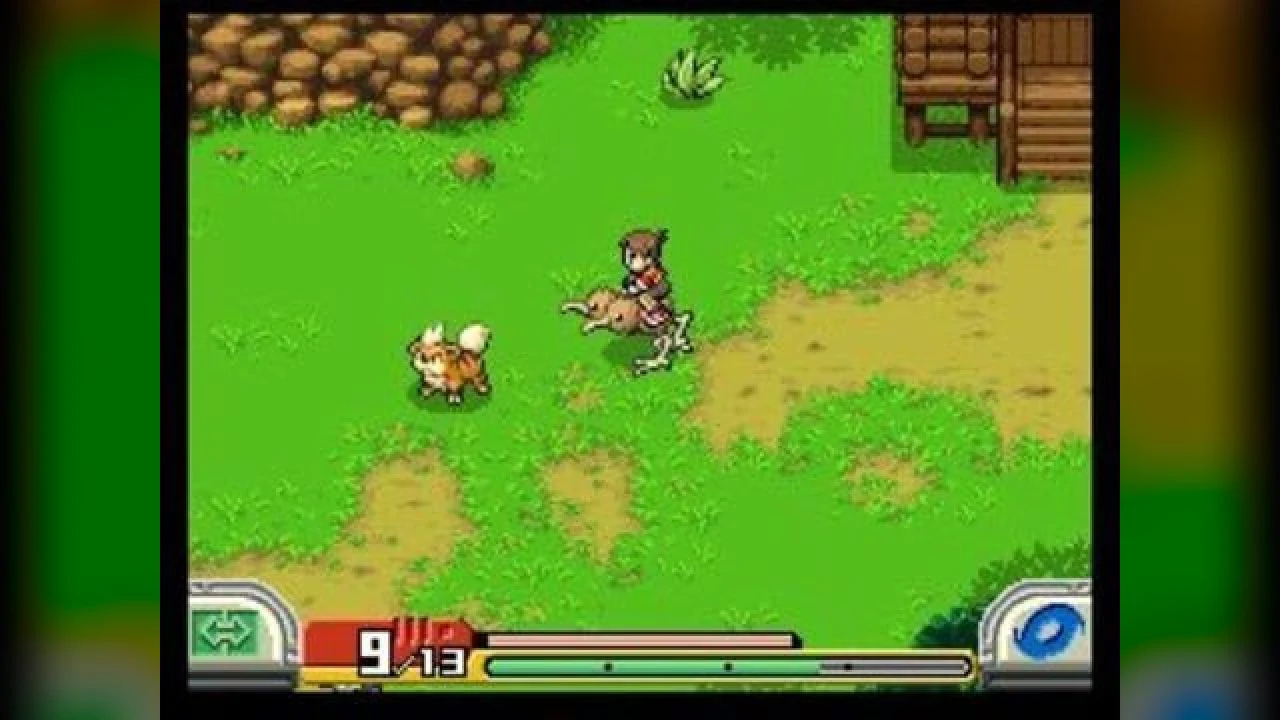
Ranger trades the Poke Ball for a stylus, and your touch screen pays for it. You capture a Pokemon by drawing consecutive circles around it with a gadget called the Capture Styler, while the target may try to flee or attack the Capture Styler. That Styler has an energy bar, which works like a health meter, and running it dry sends you back to the last save terminal, one of the save points dotted across the map. All that circling is hard on the screen, and scratched screens are a familiar sight.
The rest of the game drops Gyms altogether. Missions move the plot along in the Fiore region, where the villains are the Go-Rock Squad, and a captured Pokemon helps with obstacles such as boulders and fire through a Field Move, the name for the special actions a partner Pokemon uses on the map. The long mission-based plot got praise, while the use of player-made sound as a mechanic drew complaints. Even this spin-off feeds the main series, since you can transfer Manaphy's egg from it into the Sinnoh games.
#8
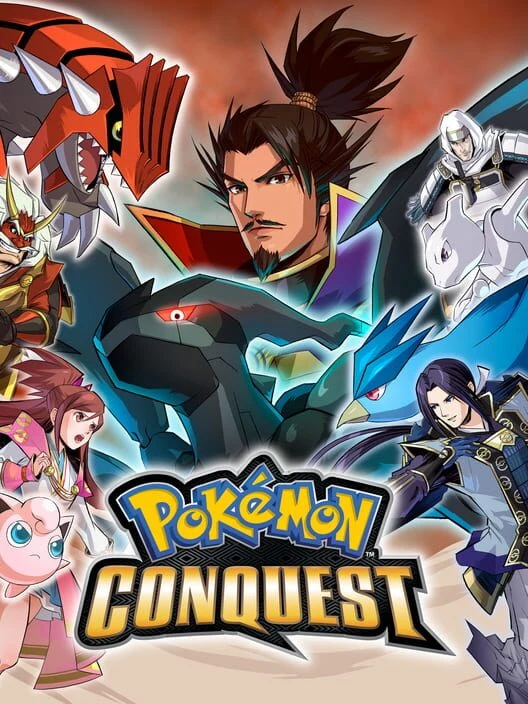
Pokemon Conquest (2012)
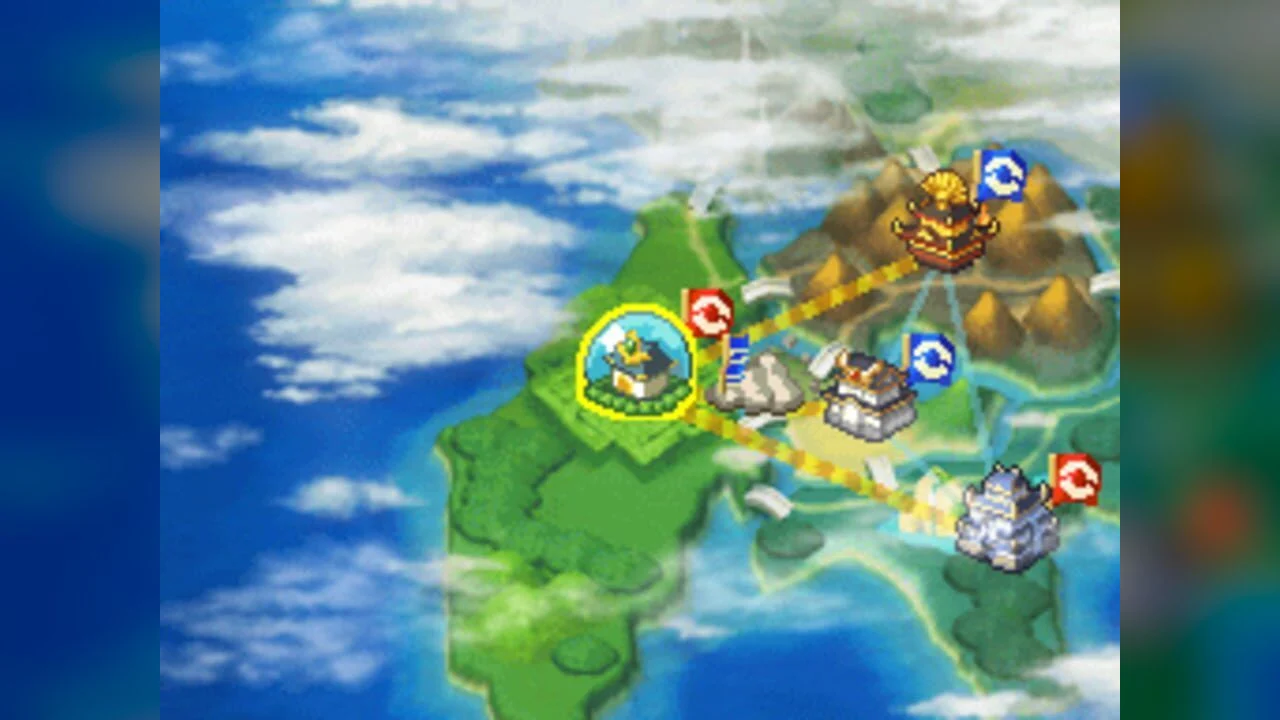
Conquest takes away most of the rules you know. It's a crossover with Nobunaga's Ambition, developed by Tecmo Koei as a tactical role-playing game, which makes battles about moving your units around a map. Each Pokemon knows only one move, which means Excadrill uses Drill Run and nothing else. You don't throw a ball either, since a minigame links you to a wild one by timing button presses, and the strength of that link replaces levels.
All of that sits in the Ransei region, which mixes Pokemon with a traditional Japanese historical setting, and you unite the land by beating Warriors and Warlords. They can join you once beaten, and their battle-changing powers work once per battle, with temporary invincibility among them. The game is easy for young players to pick up and has plenty of replay value. Even so, it leaves out most of the Pokemon that existed at the time, and apart from you, Warlords cannot evolve until the main story is finished. A sequel is the standing wish, and we'd like someone to tell Excadrill that other moves exist.
#7
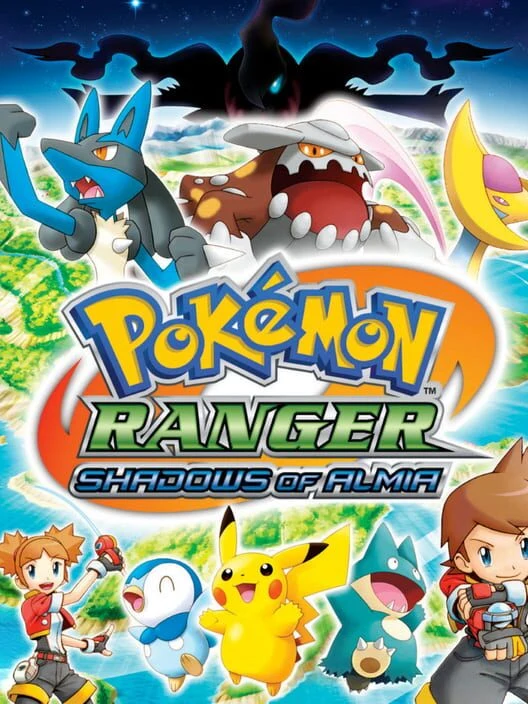
Pokemon Ranger: Shadows of Almia (2008)
Shadows of Almia keeps the stylus capture and changes what the circling does. You now fill a Friendship Gauge, a bar that has to fill up before the capture lands, by drawing loops around a Pokemon, and you can lift the stylus to dodge attacks. The catch is that the gauge drains if you stop drawing for too long. Each loop fills more of the gauge as you level up the styler.
The other big change is your partner. In the first Ranger that was set by your character's gender, Minun for a boy and Plusle for a girl. Here you begin as a Ranger-in-training at the Ranger School in the Almia region, with a choice of partners like Pachirisu or Munchlax. More turn up later, one for each type that existed at the time. Quests, side jobs that pay out new partners and styler upgrades, keep that going. The main criticism was how much it resembles the first Ranger. Another Ranger is a recurring request all the same.
#6
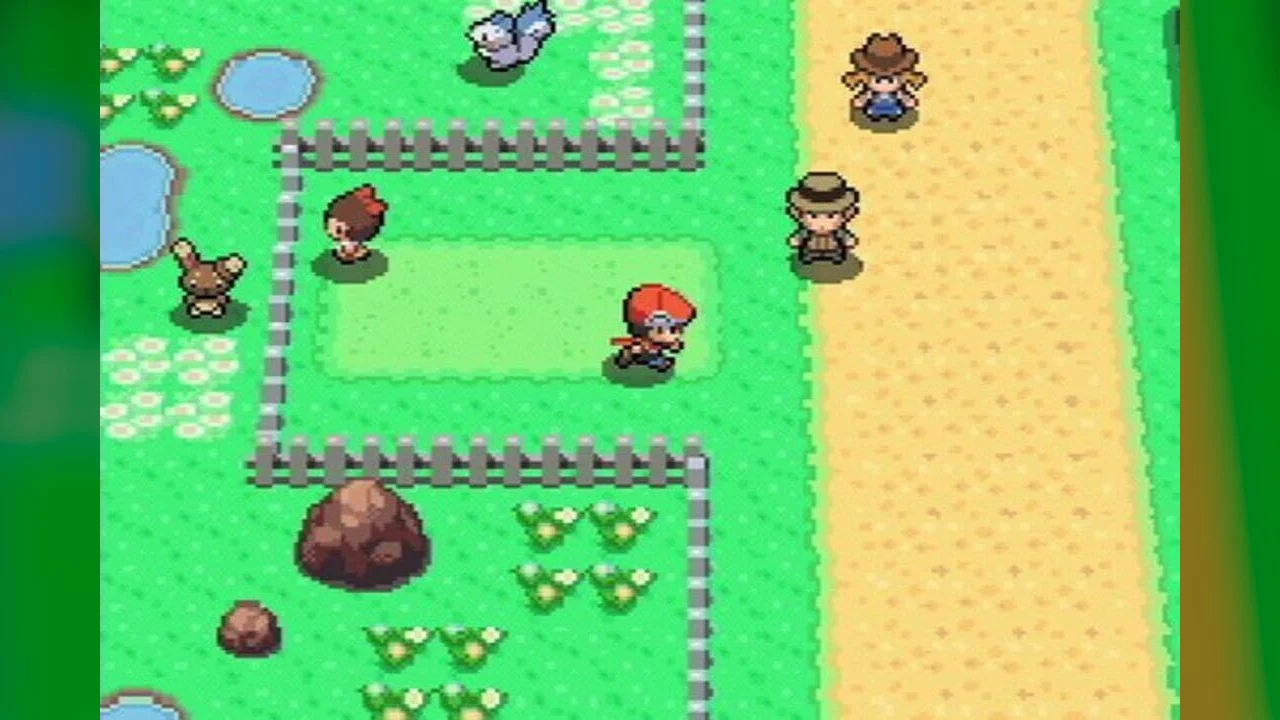
Pokemon Diamond and Pearl (2006)
Moves in Diamond and Pearl are now sorted into physical, special and status groups. They open the fourth generation, the batch of Pokemon from Sinnoh, with 107 new Pokemon and Team Galactic as the villain. The DS gets put to use too, with the Pokétch, a simulated smartwatch, on the bottom screen and the Underground, a mining area beneath Sinnoh. The items you mine there can be moved into your bag in the main game. We went down for a single item once and came back with a secret base, which is how those trips go.
The Global Trade Station let you trade with people around the world, and the Nintendo Wi-Fi Connection it ran on has since been discontinued. These games have a reputation for dragging, and you have to trade between the versions to complete the Pokedex, the in-game catalog of species. Even so, the pair had sold at least 5.21 million copies worldwide by 2007, and that figure covers only six months of sales.
#5
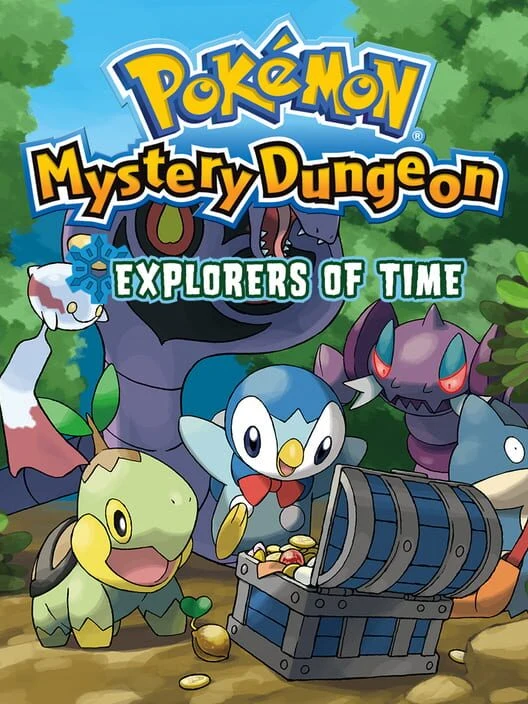
Pokemon Mystery Dungeon: Explorers of Time and Explorers of Darkness (2007)
Explorers of Time and Explorers of Darkness are dungeon crawlers people bring up for the plot, and the story is the reason they are held in such high regard. A storm washes you ashore, and a timid partner who dreams of forming an exploration team finds you. The exploration work then runs into a criminal named Grovyle, who has been stealing artifacts called the Time Gears, and time stops wherever one is taken.
A personality test picks your Pokemon again, and this time gender no longer limits the pick, although you and your partner cannot share a type. Eevee, Machop, Cubone and Psyduck were removed as starters, and Eevee returned in the later Explorers of Sky. The graphics and the repetitive gameplay drew criticism, which comes with a game built on dungeon after dungeon. They still became the best-selling games in the Pokemon Mystery Dungeon series, ahead of the Rescue Team pair that helped keep Chunsoft afloat.
#4
Pokemon Black 2 and White 2 (2012)
Black 2 and White 2 are the first direct sequels in the series, and people remember them for the extras. The tournament and the post-game content explain the affection for them. The Pokemon World Tournament lets you battle trainers from earlier games, from Gym Leaders like Brock and Giovanni to Champions like Cynthia and Lance. After you beat the game, the Key System opens up harder difficulties and new areas such as the Black Tower and White Treehollow. PokeStar Studios has you filming a movie, and Brycen from the first games came back as Brycen-Man to resume his movie career. (We'd have taken that stage name too.)
The main story is set after Black and White on the western side of Unova, and it was criticized for lacking innovation, since it reuses a lot of Black and White. Check the Black 2 Pokedex to see how much of Unova is new. The pair had sold at least 7.81 million copies worldwide by 2013. A cartridge-only copy of Black 2, with no box or manual, ran $124.47 in US listings in November 2026, against $76.47 for Black in the same form.
#3
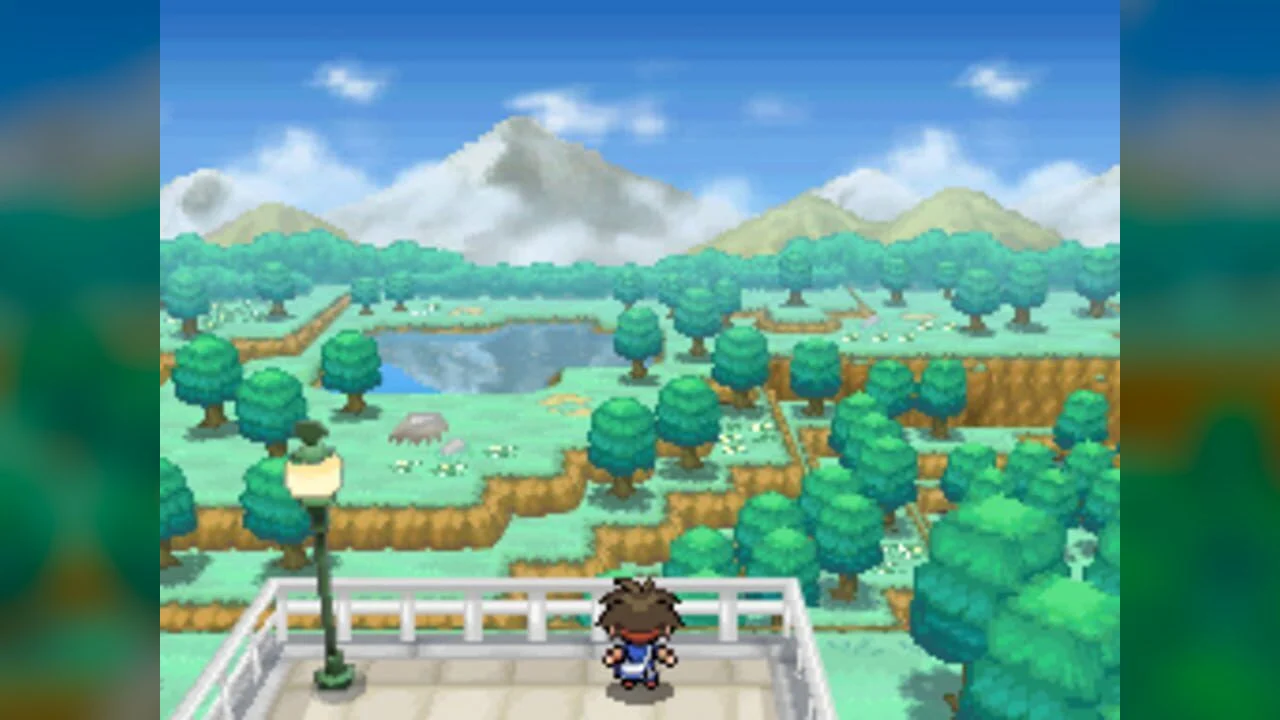
Pokemon Black and White (2010)
Black and White start the fifth generation with 156 new Pokemon. Pikachu isn't obtainable from the start, and the first run takes place in Unova, a region based on New York City. The all-new roster divided opinion. Its story is held up as the series' best, with Team Plasma as the villain.
The presentation moved on as well. Fully animated sprites and a camera that moves during battles are new, and the dialog boxes became speech balloons over characters' heads, so more than one character can speak at once. A seasonal cycle is the reason to replay, since the seasons change every month and some areas only open in certain months. Different Pokemon turn up in the wild in winter, and Deerling and Sawsbuck change their look to match. New battle formats called Triple Battles and Rotation Battles join in, with Black leaning toward Rotation Battles and White toward Triple Battles.
#2
Pokemon HeartGold and SoulSilver (2009)
HeartGold and SoulSilver remake the Johto games and then walk you into Kanto, and they keep much of the quality of the originals. The extras are what set them apart. The Pokemon in your first slot follows you in the overworld, the map you walk around, a feature that keeps getting requested for newer games. A pedometer, or step counter, called the Pokewalker came bundled with each copy and lets you take a Pokemon for a walk, and the Pokeathlon is a touch-screen minigame.
Throughout the game you battle Team Rocket, which the hero of FireRed and LeafGreen already beat once. The fight with Red atop Mt. Silver is the last one waiting for you. Outside Japan a Voltorb Flip game replaces the slot machines, and we lost more evenings to it than we'll admit. The usual complaint is the jump in levels once you reach Kanto. The pair had sold at least 8.4 million copies worldwide by 2010, and a cartridge-only HeartGold ran $145.46 in US listings in November 2026. The HeartGold Pokedex shows who you can catch.
#1
Pokemon Platinum (2008)
Platinum is the enhanced take on Diamond and Pearl, and it's remembered as the fix for their slow pace. It was the fastest-selling video game in Japan at the time of its release. The biggest addition is the Distortion World, an area with altered physics, which arrives with a new Origin Form for Giratina. Junichi Masuda explained antimatter to the developers, and the area was based on those ideas. The Distortion World remains a favorite topic.
It also brings the Battle Frontier over from Emerald, a collection of extra battle facilities, and the Vs. Recorder lets you record battles from the Frontier or Wi-Fi. The Articuno and Regice trios are added too, and Rotom picks up new forms. Platinum's basic mechanics match those of Diamond and Pearl, and the new content is the Distortion World, the Battle Frontier and the added legendary trios. The Platinum Pokedex lists who you can catch, and you'll want a Game Boy Advance cartridge handy, since the DS slot accepts third-generation games.