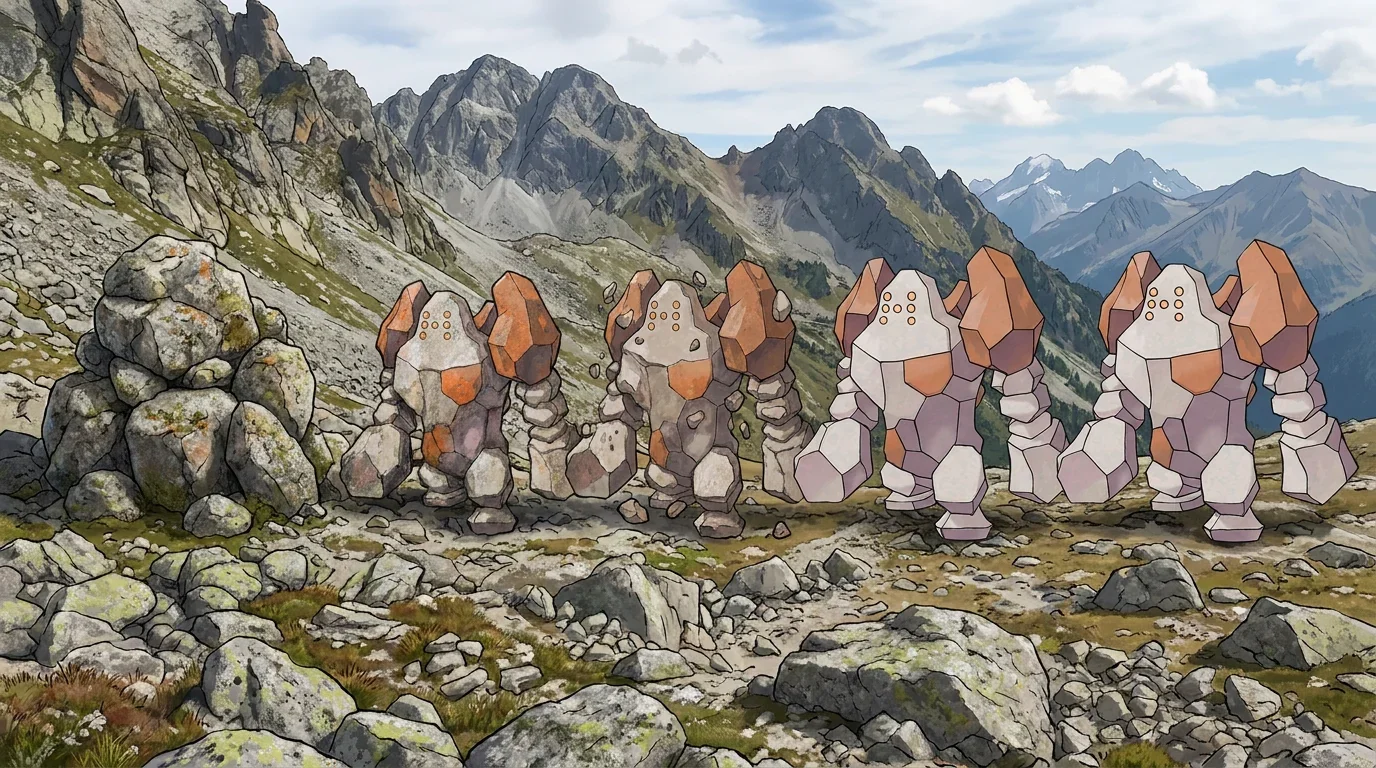
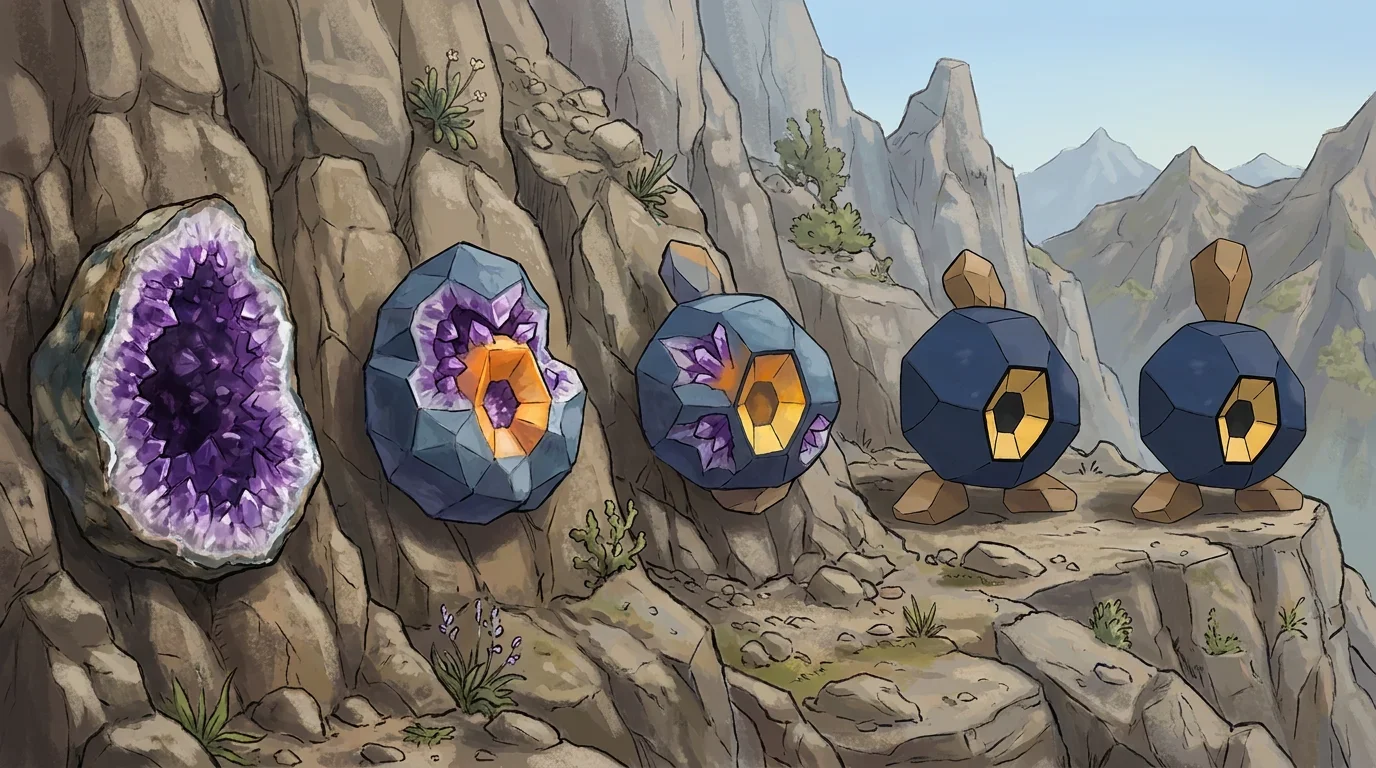
Rock Pokemon take the stillest thing in nature and give it a reason to move. Their designs come from real stone, from geodes to salt crystals, and from old legends in which stone comes to life.
Some of them barely change the stone they start from, while others borrow a whole story and wear it as a shell.
All 17 Rock Pokemon
#074
Geodude
#074
Type
RockGround
Category
Rock Pokémon
National Dex
#0074
Debut
Gen I
Base stat total
300
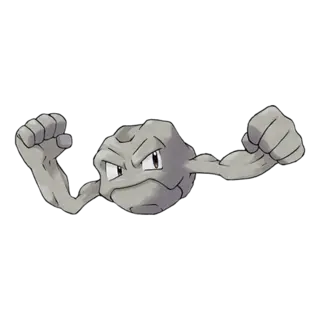
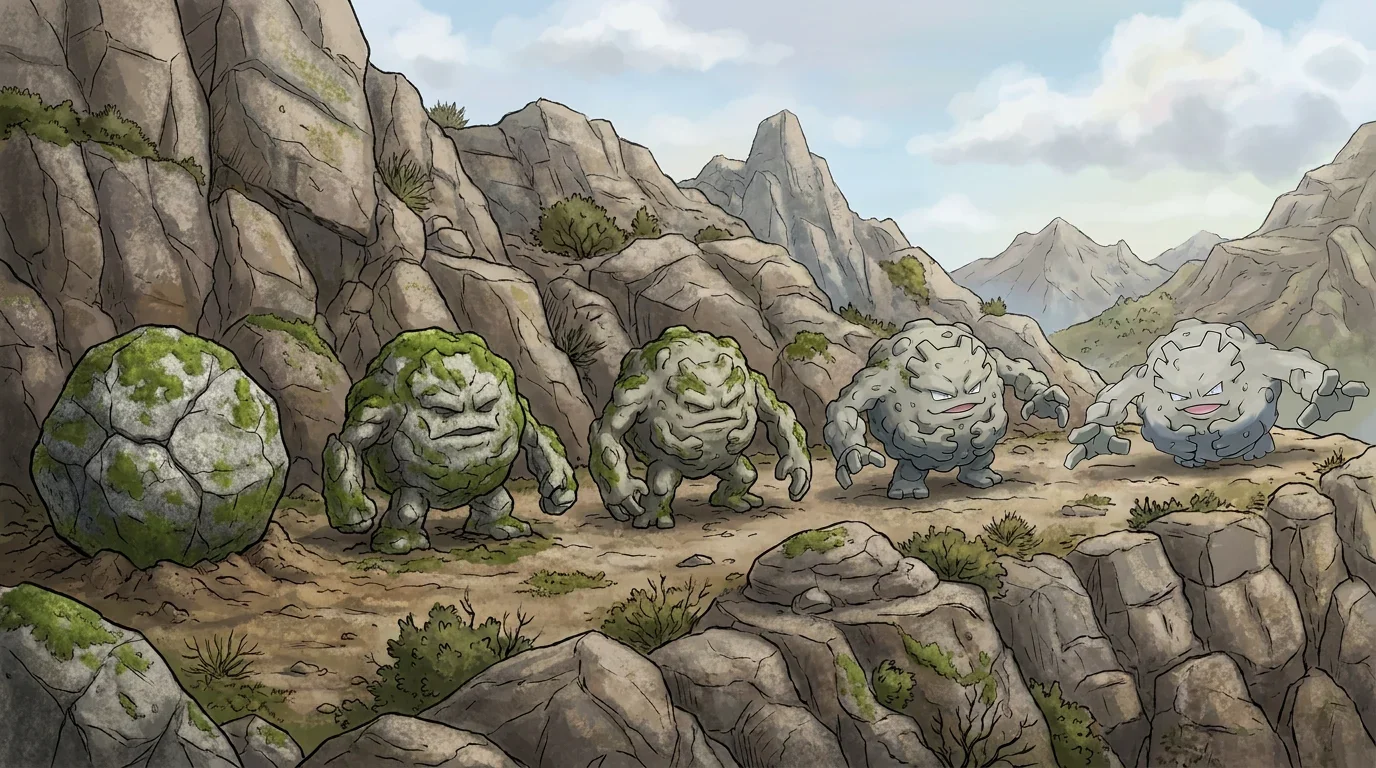
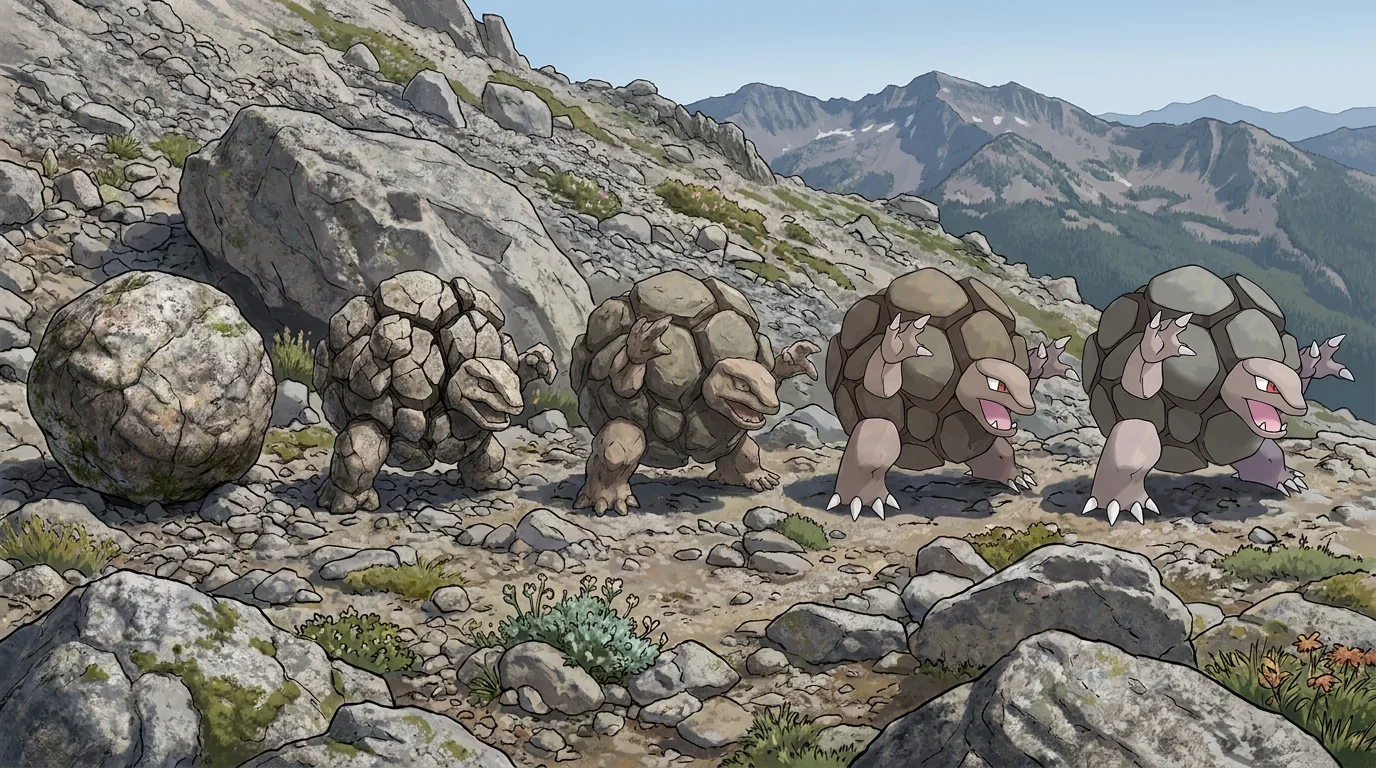
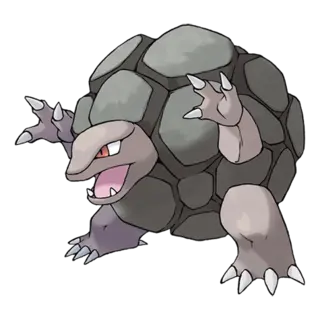
Geodude is a living boulder, and it may be based on a golem, the earth elemental of folklore. Its Alolan form, the version found in the Alola region, adds dark structures of magnetite, a magnetic iron ore, in the shape of its eyebrows, and its Electric type may be a pun on thundereggs.
It climbs harsh mountain roads with its arms, and carelessly kicking one will make it fly into a rage and chase you. That temper sits in a body 0.4 m tall and 20 kg, small enough to carry off if you dared. Rock Head is one of its abilities, a passive effect that works on its own in battle, and it protects Geodude from recoil damage, the hurt some moves bounce back onto their user.
#075
Graveler
#075
Type
RockGround
Category
Rock Pokémon
National Dex
#0075
Debut
Gen I
Base stat total
390
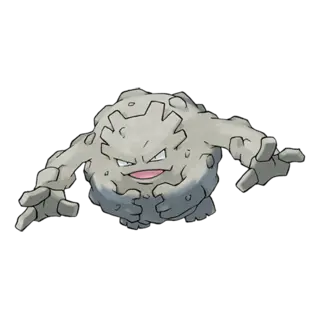
Graveler is a living boulder with four arms, which could come from Hindu gods such as Shiva or Vishnu. It could also be based on the tsuchikorobi, a yokai, or creature of Japanese folklore, known as the "tumbling monster" for its habit of rolling over travelers and crushing them.
The game keeps that habit, since it enjoys rolling down slopes like a boulder during a rockfall, and you should keep an eye upward on mountain roads. Since reading that, we look up on every road, mountain or not. It stands 1 m tall and weighs 105 kg.
#076
Golem
#076
Type
RockGround
Category
Megaton Pokémon
National Dex
#0076
Debut
Gen I
Base stat total
495
Golem, the Megaton Pokemon, may be based on the golem of role-playing games, an ogre-like creature covered in or made of stones. Tortoises, which many myths say hold the world on their backs, could also play a part, and its shell may stand for the tectonic plates of Earth.
That shell has a use outside battle. It sheds its rocklike shell each year, and the cast-off shell crumbles into soil that can be spread across fields to promote crop growth. It weighs 300 kg, and its Alolan form has a black structure on its back that could trace back to an electroshock weapon or a railgun.
#095
Onix
#095
Type
RockGround
Category
Rock Snake Pokémon
National Dex
#0095
Debut
Gen I
Base stat total
385
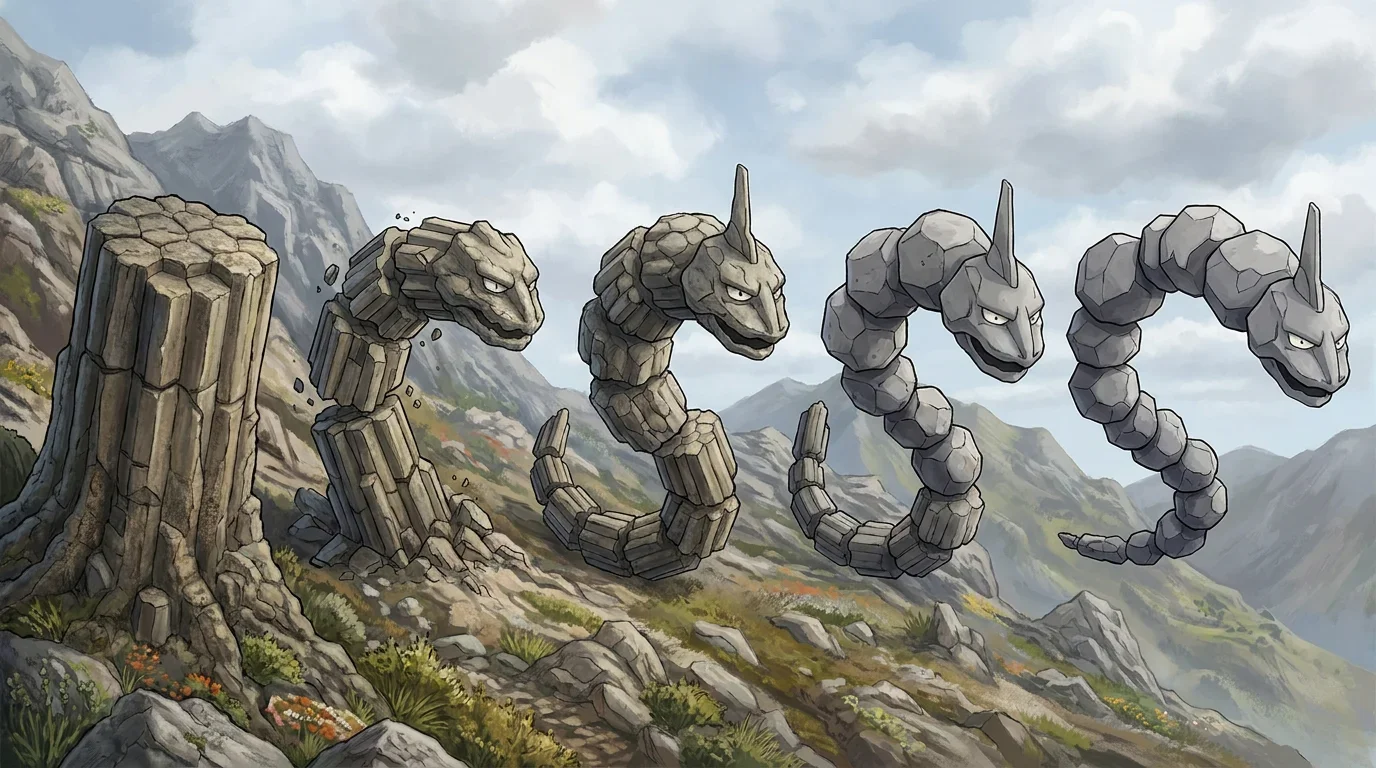
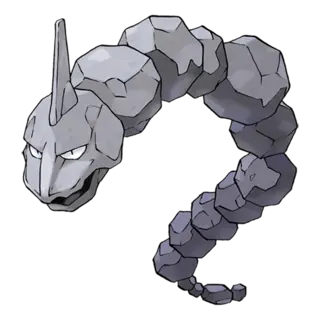
Onix may be a visual pun on a rock python or an earthworm, and its great size could come from the Mongolian death worm, an earthworm-like creature of legend known for being huge. Serpentinite, a rock, could be another pun here, and its green Shiny coloring, the rare alternate colors a Pokemon can appear in, supports that.
Its chain of immense stones resembles a giant serpent, and it feeds on boulders as it burrows. All of that serpent stands 8.8 m tall.
#377
Regirock
#377
Type
Rock
Category
Rock Peak Pokémon
National Dex
#0377
Debut
Gen III
Base stat total
580
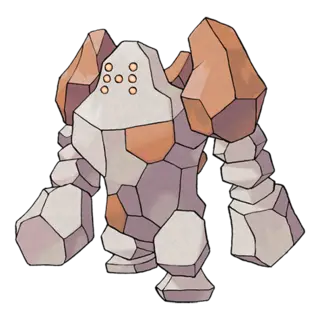
Regirock, the Rock Peak Pokemon, seems to come from the golems of Hebrew legend, servants of higher powers that carry writing on their heads. In some legends the golem is weakened or even killed when that writing is removed. Its dotted face may be Braille, and the legendary giants it belongs to may be themed after historical epochs, with Regirock standing for the Stone Age.
Scientists studied its rock body with cutting-edge technology and found nothing inside, not even a brain or a heart. (We know a few people the same scan would describe.) Clear Body is one of its abilities, and it stops other Pokemon from lowering its stats, the numbers that set how hard it hits and how much it can take.
#524
Roggenrola
#524
Type
Rock
Category
Mantle Pokémon
National Dex
#0524
Debut
Gen V
Base stat total
280
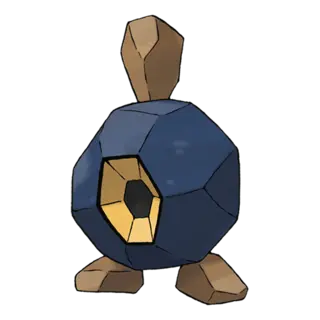
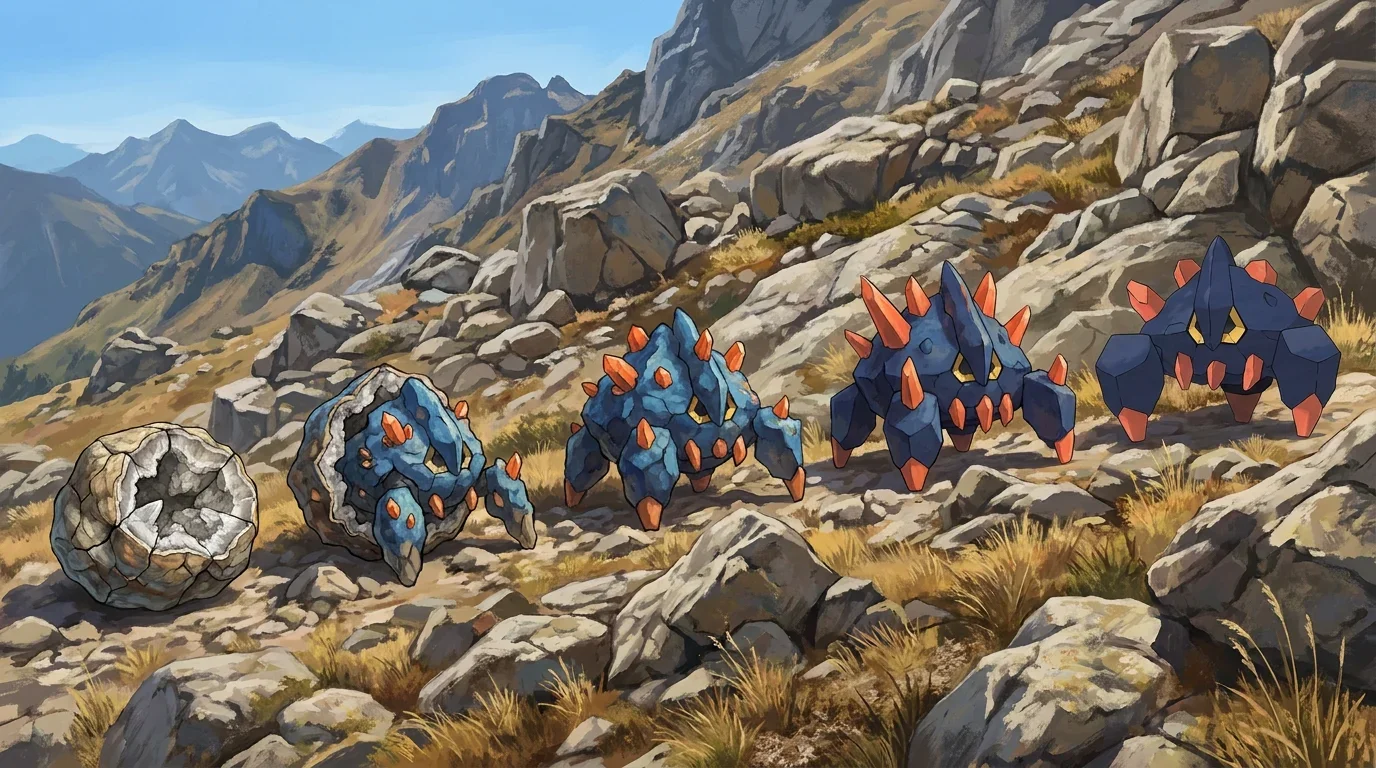
Roggenrola, the Mantle Pokemon, is based on a geode and on an elemental creature, a being of earth. It starts to move when it detects a noise, and the energy core inside makes it slightly warm to the touch.
Sturdy is one of its abilities, and it stops Roggenrola, which weighs 18 kg, from being knocked out in one hit from full HP, leaving it with 1 HP instead, where HP is how much damage it can take before it faints.
#525
Boldore
#525
Type
Rock
Category
Ore Pokémon
National Dex
#0525
Debut
Gen V
Base stat total
390
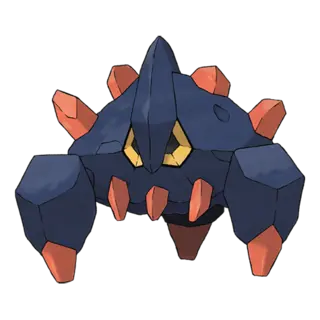
Boldore, the Ore Pokemon, keeps the geode and earth elemental of its pre-evolution, the form it grows from, and adds some crab in the tripod-like structure of its legs. It relies on sound to monitor what is around it, and when angered it attacks without ever changing the direction it is facing. Committing to one direction is something we respect in a Pokemon.
It stands 0.9 m tall and weighs 102 kg. Sturdy, one of its abilities, works as it does for Roggenrola, so a Boldore at full health survives any single hit.
#558
Crustle
#558
Type
BugRock
Category
Stone Home Pokémon
National Dex
#0558
Debut
Gen V
Base stat total
485
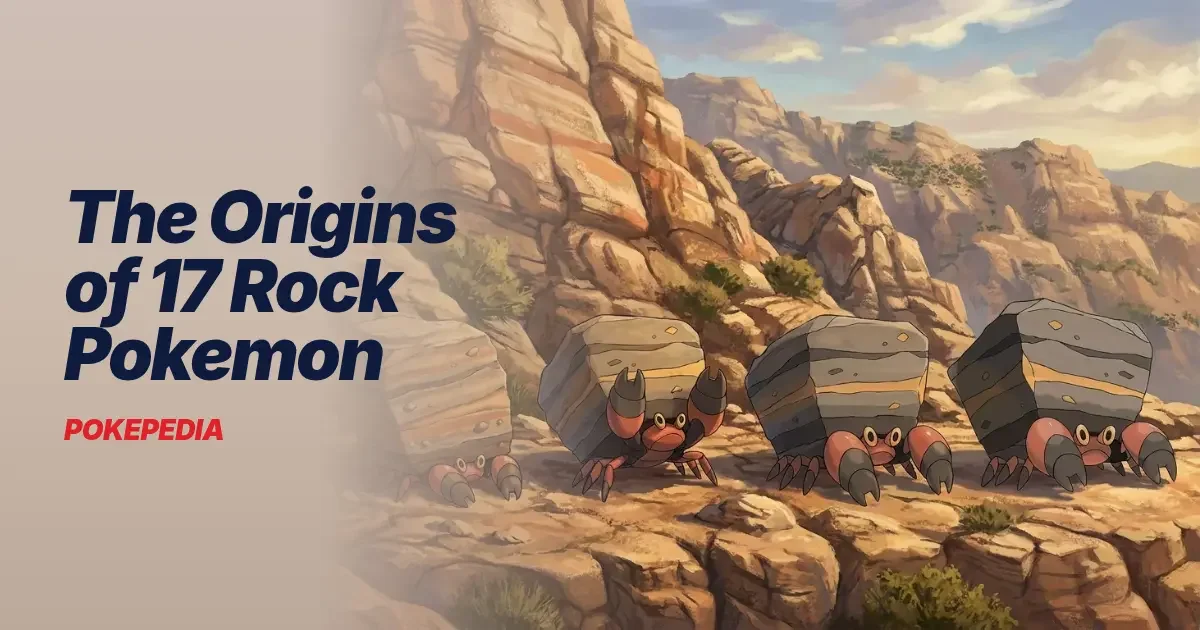
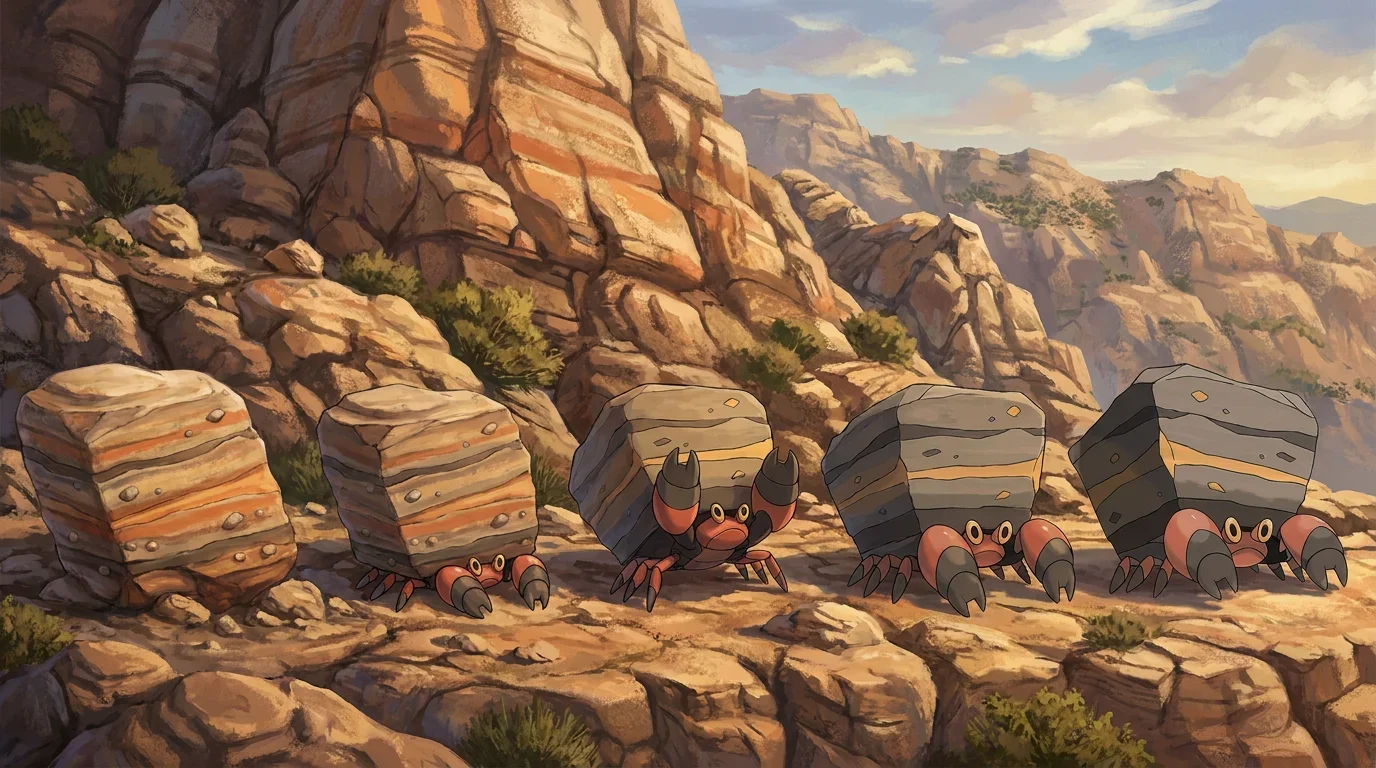
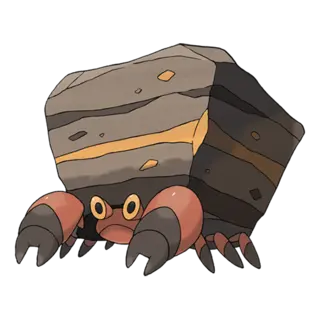
Crustle, the Stone Home Pokemon, is a hermit crab. Its shell looks like a block of stratum, a layer of rock, instead of an actual shell, though it also resembles the ornately-colored shells real hermit crabs carry.
The claws do the fighting on a body 1.4 m tall, since its thick claws are its greatest weapons and they're strong enough to crack the carapace of Rhyperior, a Rock and Ground Pokemon. It weighs 200 kg, and Shell Armor is one of its abilities, which protects Crustle from critical hits, the extra-damaging hits that land at random.
#688
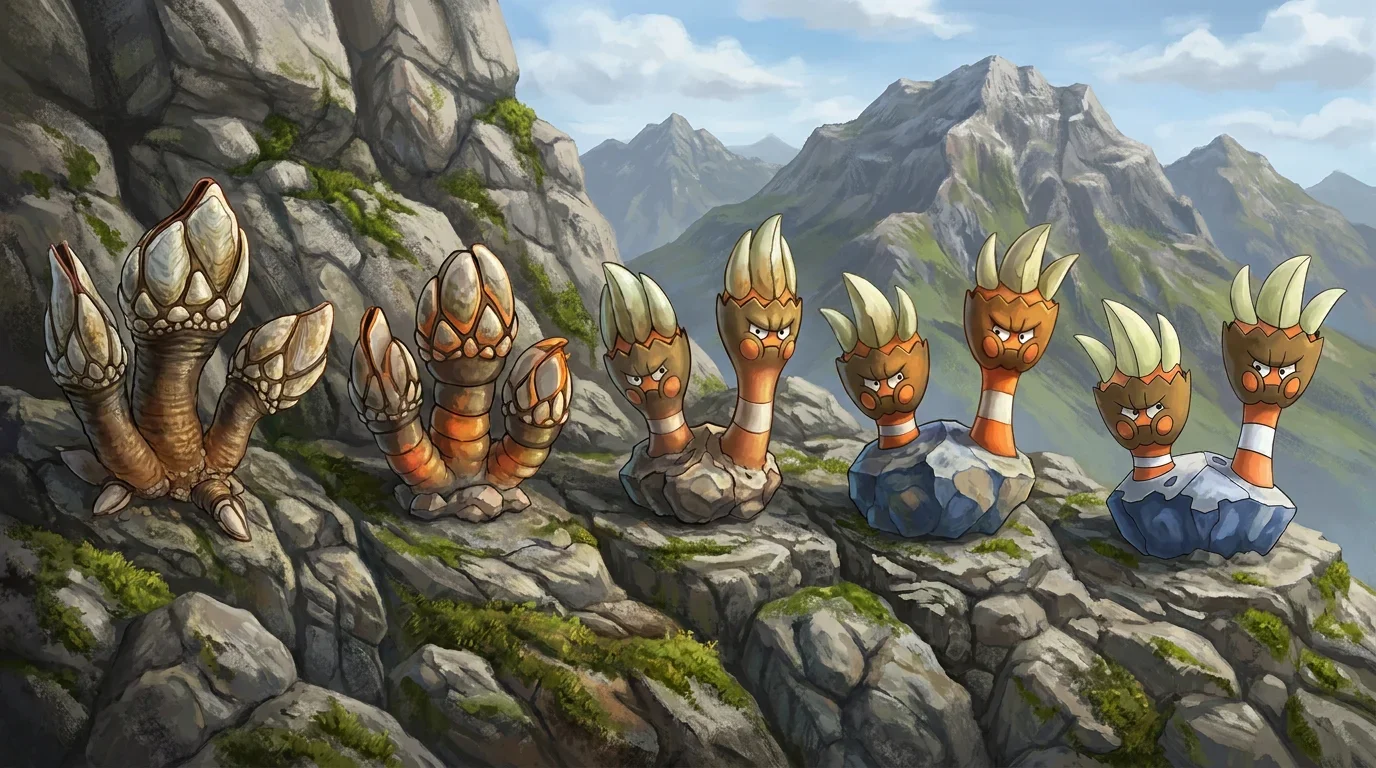
Binacle
#688
Type
RockWater
Category
Two-Handed Pokémon
National Dex
#0688
Debut
Gen VI
Base stat total
306
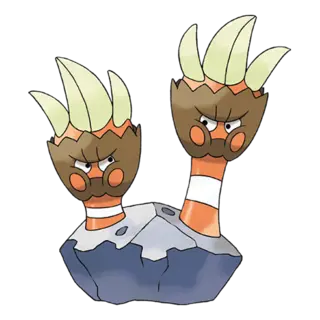
Binacle, the Two-Handed Pokemon, is based on the goose barnacle, which clings to rocks by a connective stalk. It survives together with another Binacle, which may refer to rare same-species symbiosis, where animals of the same kind depend on each other.
If the pair do not work well together, both their offense and defense fall apart, and without good teamwork they will not survive. Its hand-like body with an eye in the palm could also be taken from the hamsa. Tough Claws is one of its abilities, and it strengthens moves that make contact, the ones where it touches the target, to 1.33× their power.
#689
Barbaracle
#689
Type
RockWater
Category
Collective Pokémon
National Dex
#0689
Debut
Gen VI
Base stat total
500
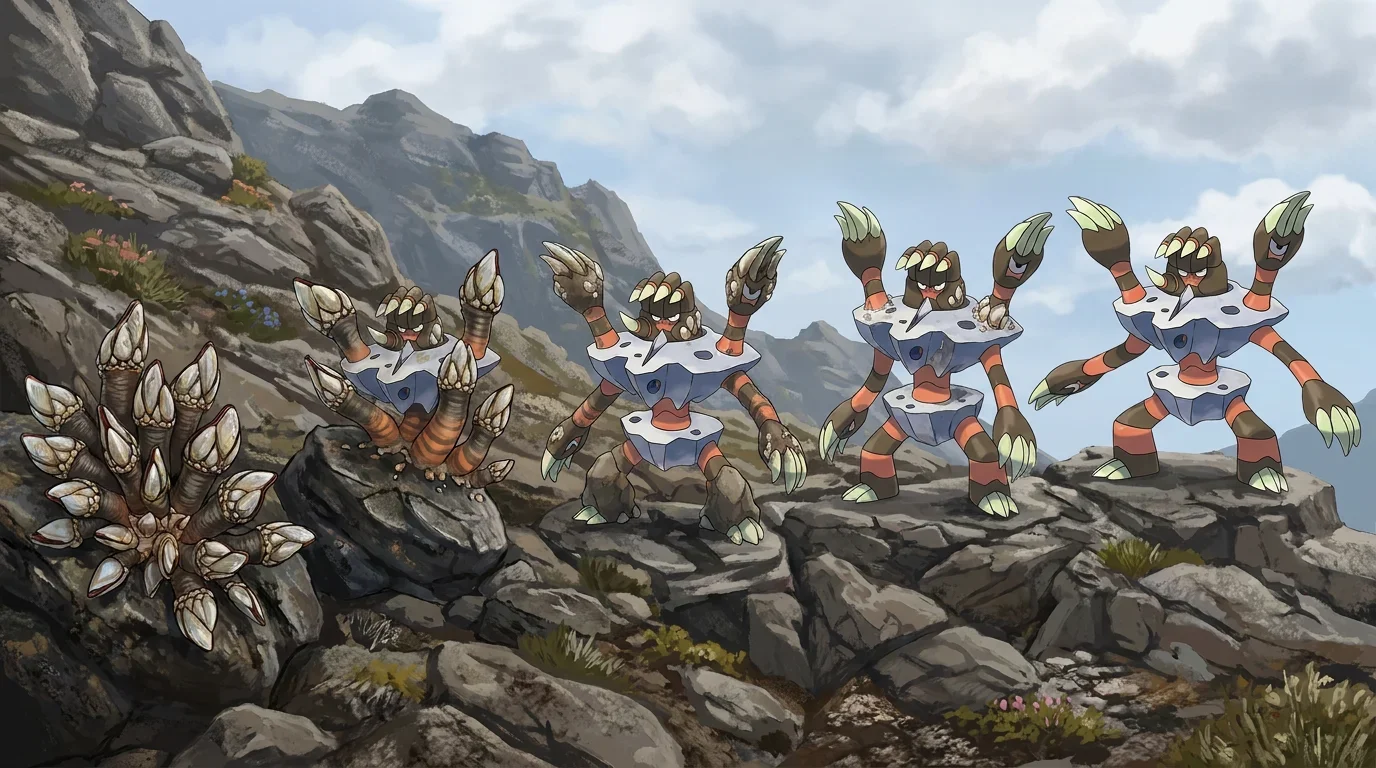
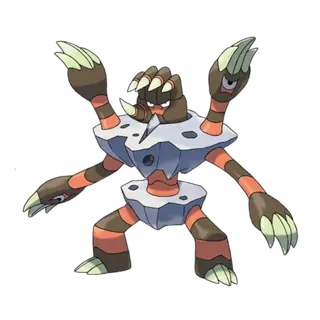
Barbaracle, the Collective Pokemon, is based on the goose barnacle too, and the fused Binacle it's made from may reference the mecha of science fiction, which combine from several robots. The eyes in its palms may point to the Greek giant Argus, who was covered in eyes. Japan has its own eye-covered spirits in Hyakume and Dodomeki, and they may feed into it as well.
Having an eye on each palm lets it keep watch in all directions, and in a pinch its limbs start to act on their own, which may be a reference to alien hand syndrome. It stands 1.3 m tall, and Sniper, one of its abilities, raises critical hits from 2× to 3× damage.
#703
Carbink
#703
Type
RockFairy
Category
Jewel Pokémon
National Dex
#0703
Debut
Gen VI
Base stat total
500
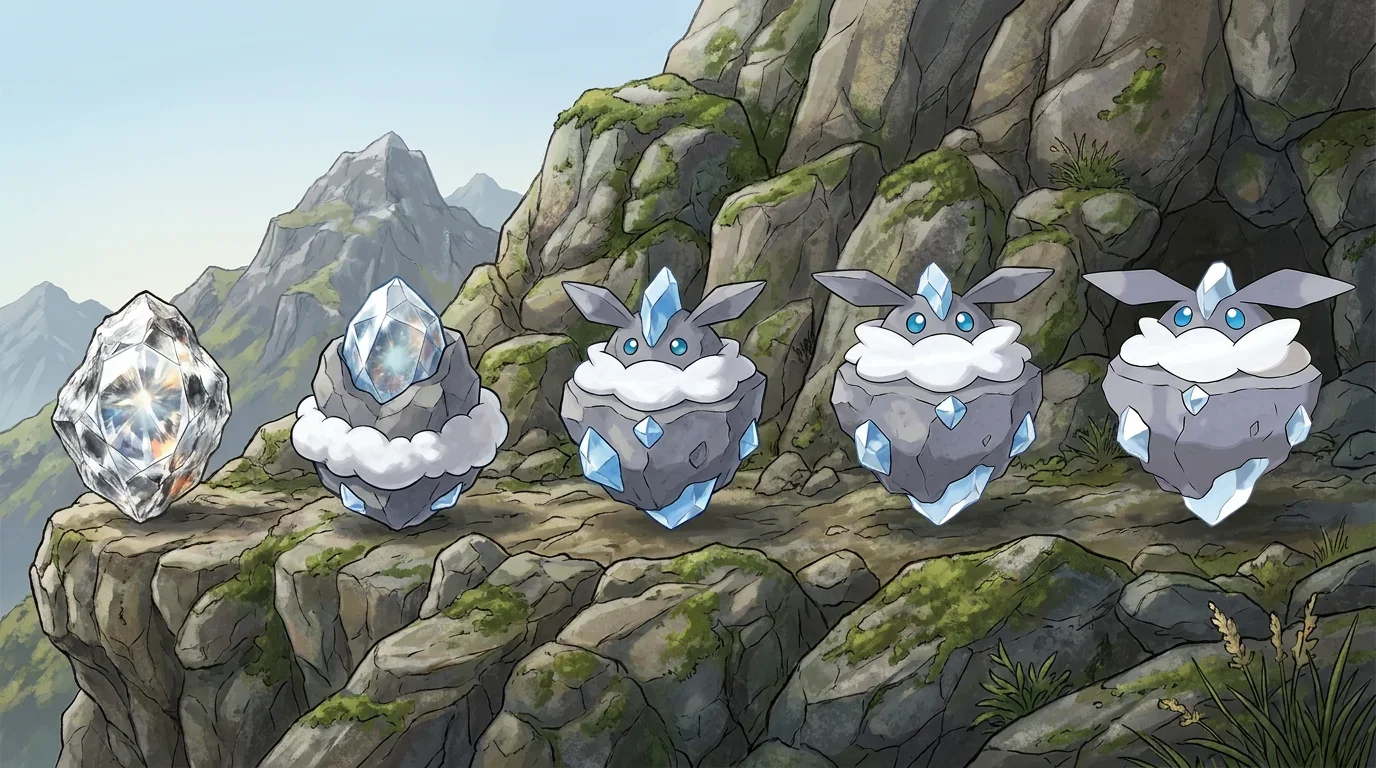
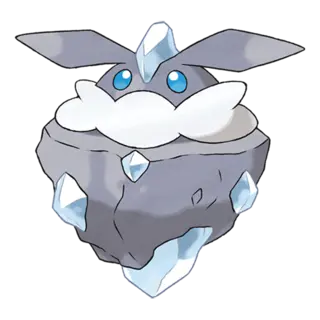
Carbink, the Jewel Pokemon, could be based on the carbuncle, a mythical fairy-like creature rumored to emit light and grow gemstones from its body. It also resembles ores, the rocks that contain valuable minerals, and carbonate minerals that form jagged, geometric shapes.
Somewhere in the world a mineral vein houses a large pack of slumbering Carbink, and this pack has a queen. It stands 0.3 m tall and weighs 5.7 kg.
#713
Avalugg
#713
Type
Ice
Category
Iceberg Pokémon
National Dex
#0713
Debut
Gen VI
Base stat total
514
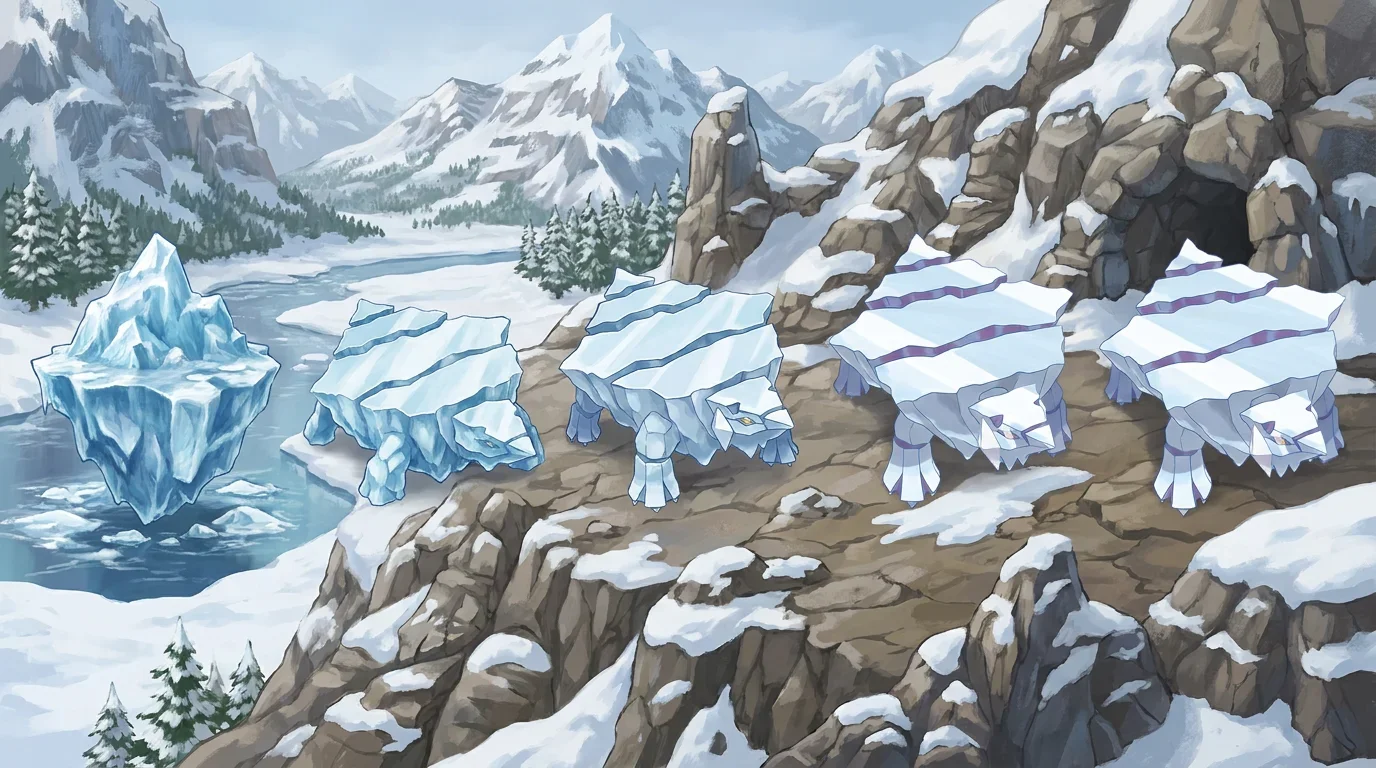
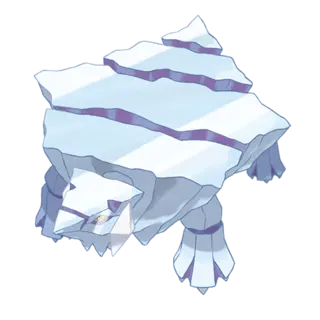
Avalugg, the Iceberg Pokemon, is an Ice type that earns its place through shape, since it's based on a tabular iceberg or a stalactite. Its huge body may stand for the submerged part of an iceberg, and its likeness to an aircraft carrier may reference Project Habakkuk, a wartime plan to build an aircraft carrier from pykrete, a mix of ice and wood pulp.
Its Hisuian form, the version from the Hisui region, may be a mountain covered with glacier, or the glacier itself. The armor of ice over its lower jaw puts steel to shame and shatters rocks with ease. It stands 2 m tall and weighs 505 kg.
#867
Runerigus
#867
Type
GroundGhost
Category
Grudge Pokémon
National Dex
#0867
Debut
Gen VIII
Base stat total
483
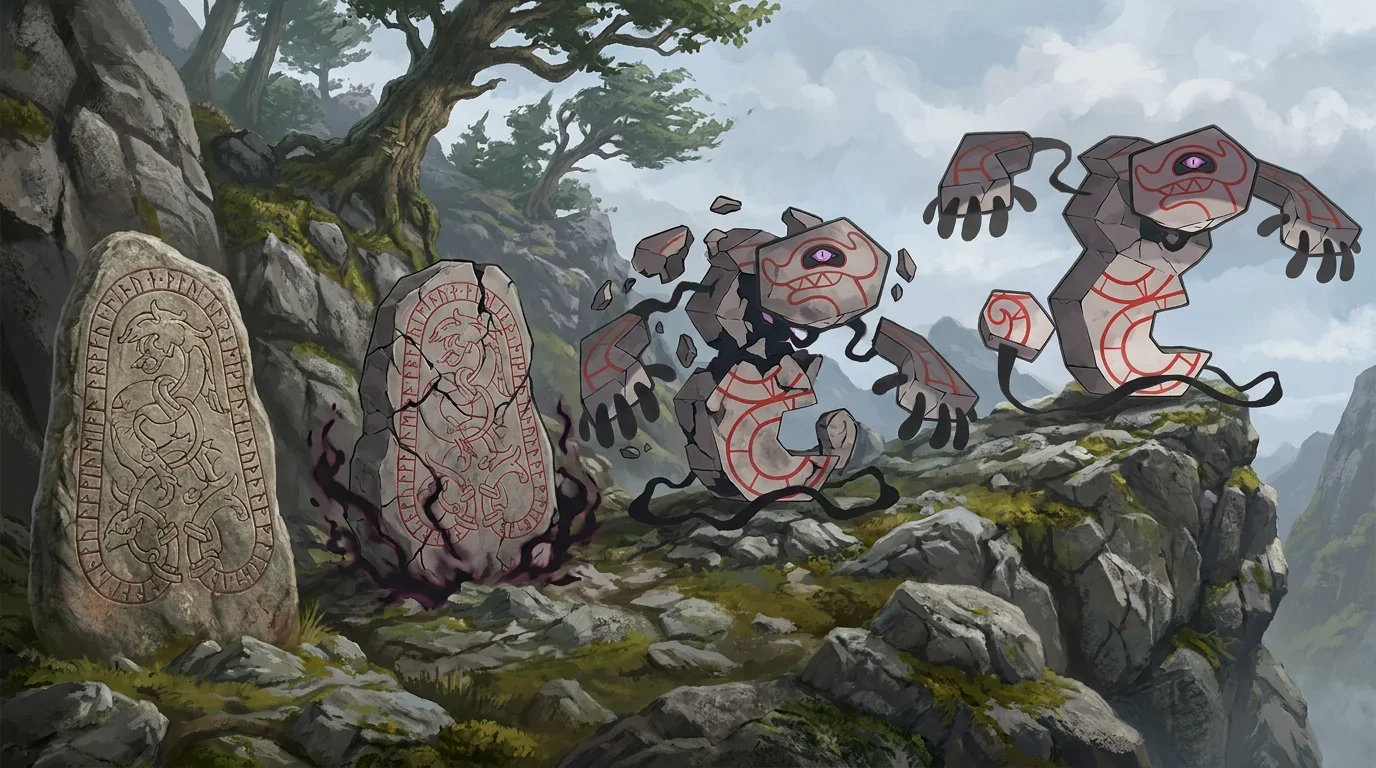
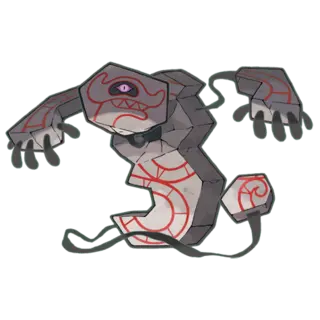
Runerigus, the Grudge Pokemon, may be based on runestones, large stones engraved by Vikings to commemorate notable people and events. The motif carved on it may be Jörmungandr, the World Serpent of Norse mythology, or Apep, the Egyptian serpent of chaos. Some runestones carried curses warning that anyone who damaged or moved them would be doomed, which suits a Ghost type.
Touch its shadowlike body and you will be shown the horrific memories behind the picture carved into it. Admiring it from a distance seems wise to us. It stands 1.6 m tall and weighs 66.6 kg.
#874
Stonjourner
#874
Type
Rock
Category
Big Rock Pokémon
National Dex
#0874
Debut
Gen VIII
Base stat total
470
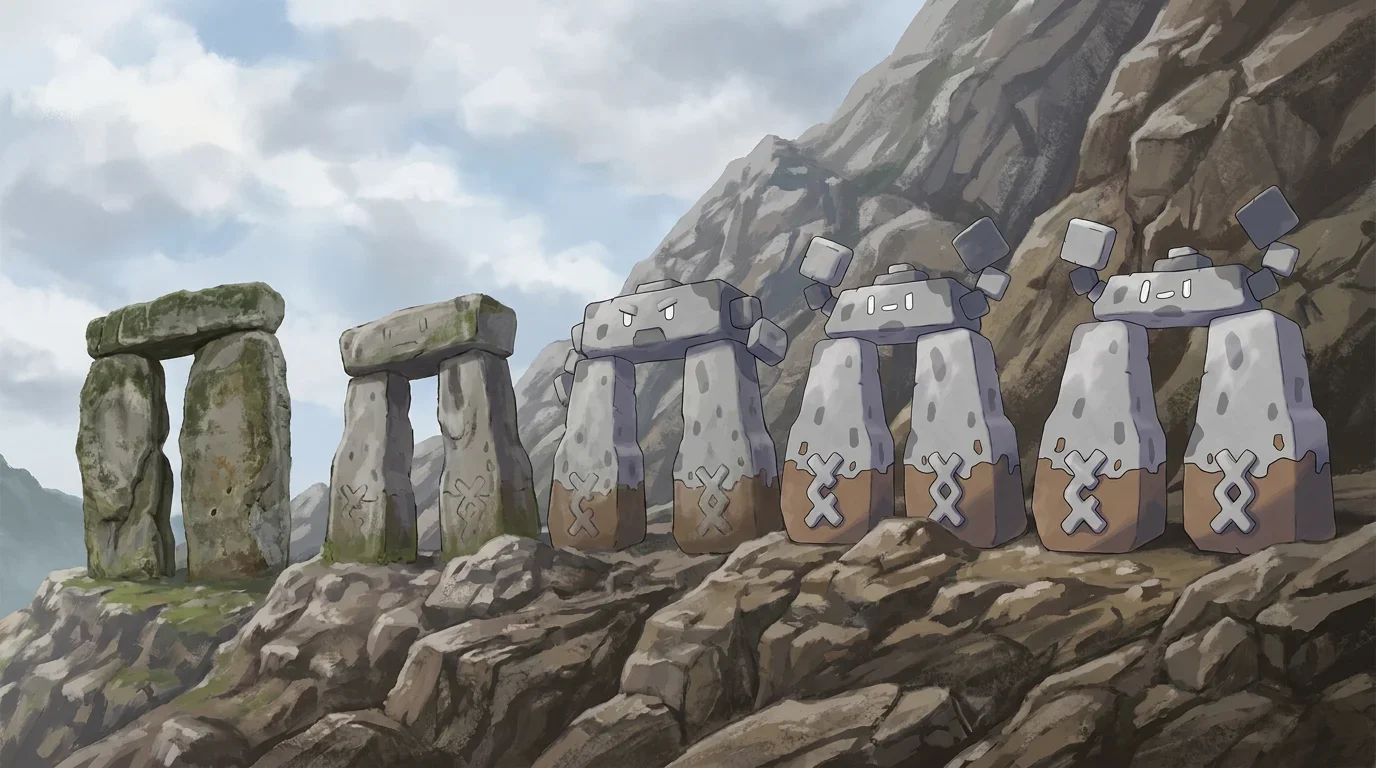
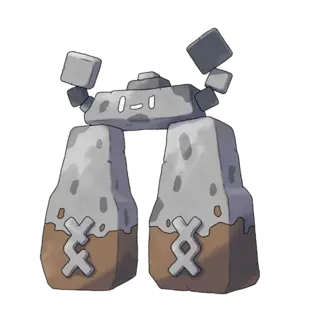
Stonjourner, the Big Rock Pokemon, is based on megalith structures, a trilithon or a dolmen, and it may be a direct reference to Stonehenge in Wiltshire, England. Its behavior may reference the link between Stonehenge and astronomy, and the evidence that prehistoric visitors came to the monument once a year.
The Pokedex says they gather out of nowhere once a year, on a specific date and at a specific time, and form a circle. Getting a group together that reliably is beyond us. It stands 2.5 m tall and weighs 520 kg, and Power Spot, one of its abilities, powers up the moves of any ally next to it.
#932
Nacli
#932
Type
Rock
Category
Rock Salt Pokémon
National Dex
#0932
Debut
Gen IX
Base stat total
280
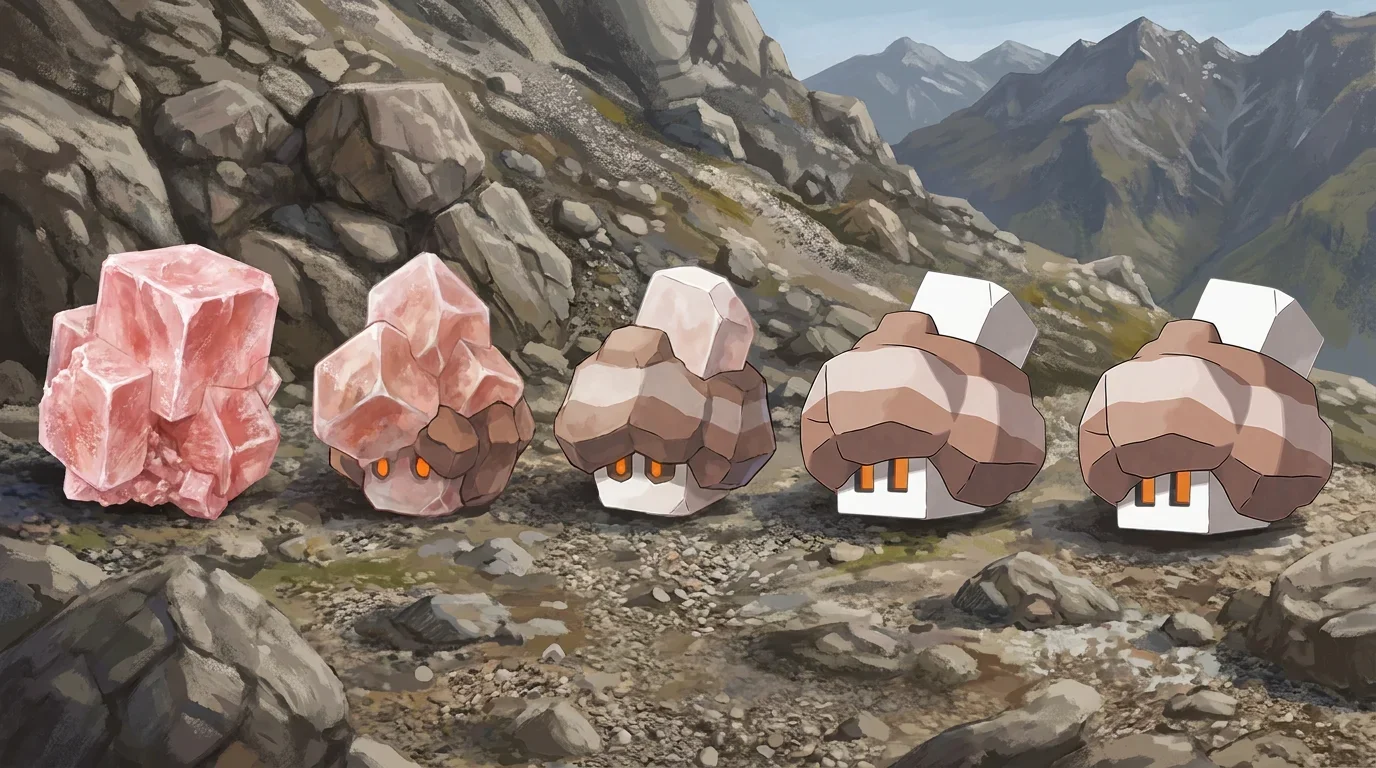
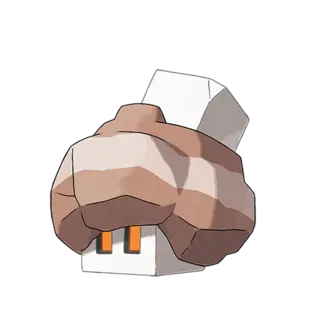
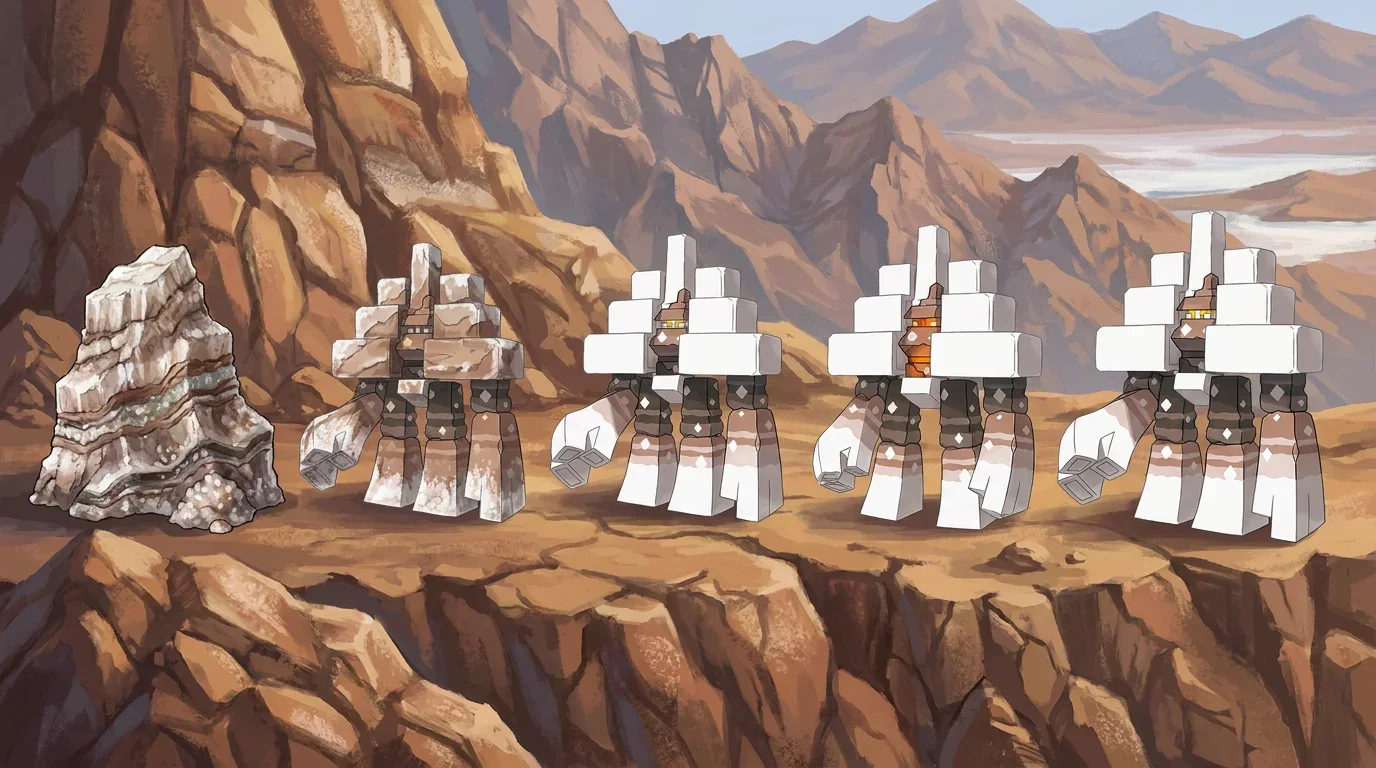
Nacli, the Rock Salt Pokemon, is a rock salt crystal embedded in a small sedimentary rock. Its body shape resembles mushrooms, particularly the Agaricus bisporus variety, and it might also take cues from truffles. Its glowing eyes could be taken from Himalayan salt lamps.
As it travels, the ground scrapes its 0.4 m tall body and leaves salt behind, while salt is constantly being created and replenished inside it. That trail may be a literal take on salt roads, the trade routes that carried salt to foreign markets. Purifying Salt, one of its abilities, protects it from status conditions, the lasting ailments such as poison, and halves damage from Ghost-type moves.
#933
Naclstack
#933
Type
Rock
Category
Rock Salt Pokémon
National Dex
#0933
Debut
Gen IX
Base stat total
355
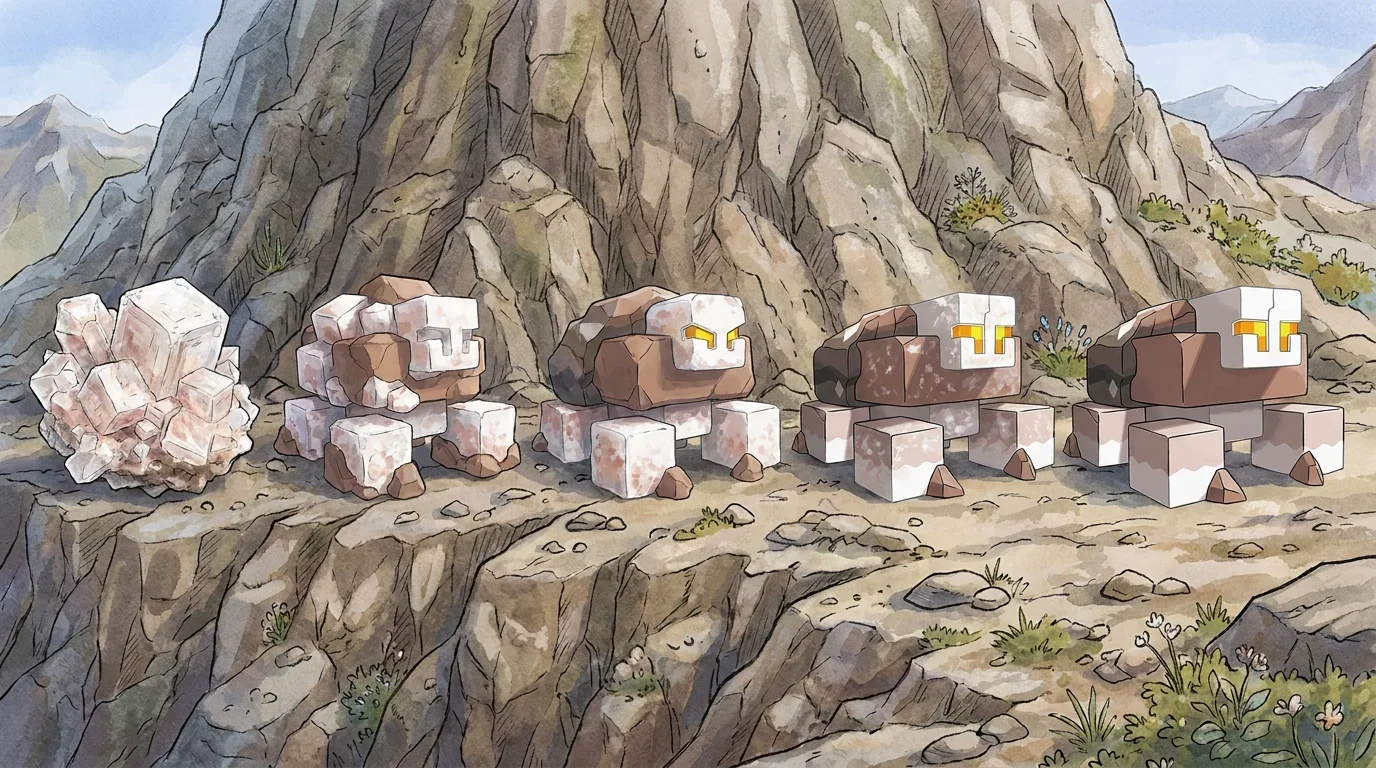
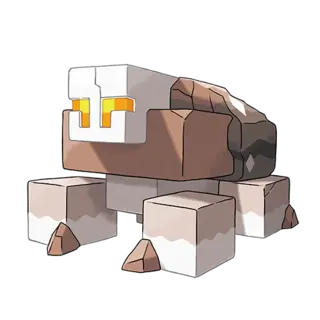
Naclstack is made of rock salt crystals and layers of sedimentary bedrock, and its shape on all fours may be loosely inspired by ancient Iberian sculptures such as the Bicha of Balazote or the Sphinx of Agost. A ziggurat or a pyramid under construction could also lie behind it, and the front of its body looks like voxel artwork.
It compresses rock salt inside its body and shoots out hardened salt pellets with enough force to perforate an iron sheet. It stands 0.6 m tall and weighs 105 kg.
#934
Garganacl
#934
Type
Rock
Category
Rock Salt Pokémon
National Dex
#0934
Debut
Gen IX
Base stat total
500
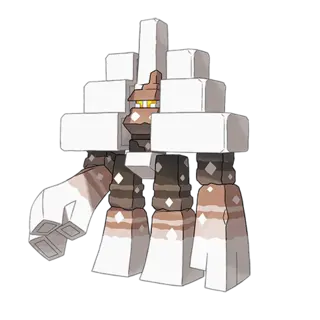
Garganacl is made of rock salt crystals and strata, and its build resembles a large bipedal creature, perhaps the Hebrew golem, given its role as a gentle earth-based creature. The structures on its shoulders resemble a ziggurat or the Pyramids of Güímar.
Its salt does the gentle work. Many Pokemon gather around it hoping to lick its mineral-rich salt, and its ability to heal injured Pokemon with salt may play on "salt curing" and on the idiom "to rub salt in the wound". At 2.3 m and 240 kg, it has 100 HP and a Defense of 130, the stat that softens physical hits.
Not One of Them Is Fast
Stone makes these Pokemon hard to hurt and slow to act, and the numbers show both sides at once. The 17 average a Defense of 125 and a Speed of 41, while the average for every Pokemon is 73 Defense and 67 Speed. Speed decides who attacks first in a turn, so a team built from them usually acts after most opponents. Even the quickest, Onix and Stonjourner at 70, only just clear the average for every Pokemon, and Roggenrola's Speed of 15 is the lowest of the group.
Rock Pokemon FAQ
How many rock Pokemon are there?
There are 17 on the list. Avalugg is an Ice type and Runerigus is a Ground and Ghost type, which means not every one of them carries the Rock type.
What is the strongest rock Pokemon?
Regirock has the highest base stat total, the sum of all its base stats, at 580. Avalugg comes next at 514.
Is Onix a rock?
Yes, Onix is a chain of immense stones shaped like a giant serpent, and it feeds on boulders as it burrows.
Is Stonjourner based on Stonehenge?
Yes, it's based on megalith structures, and it may be a direct reference to Stonehenge in Wiltshire, England.
Is Garganacl made of salt?
Yes, it's based on rock salt crystals and strata, and many Pokemon gather around it hoping to lick its salt.