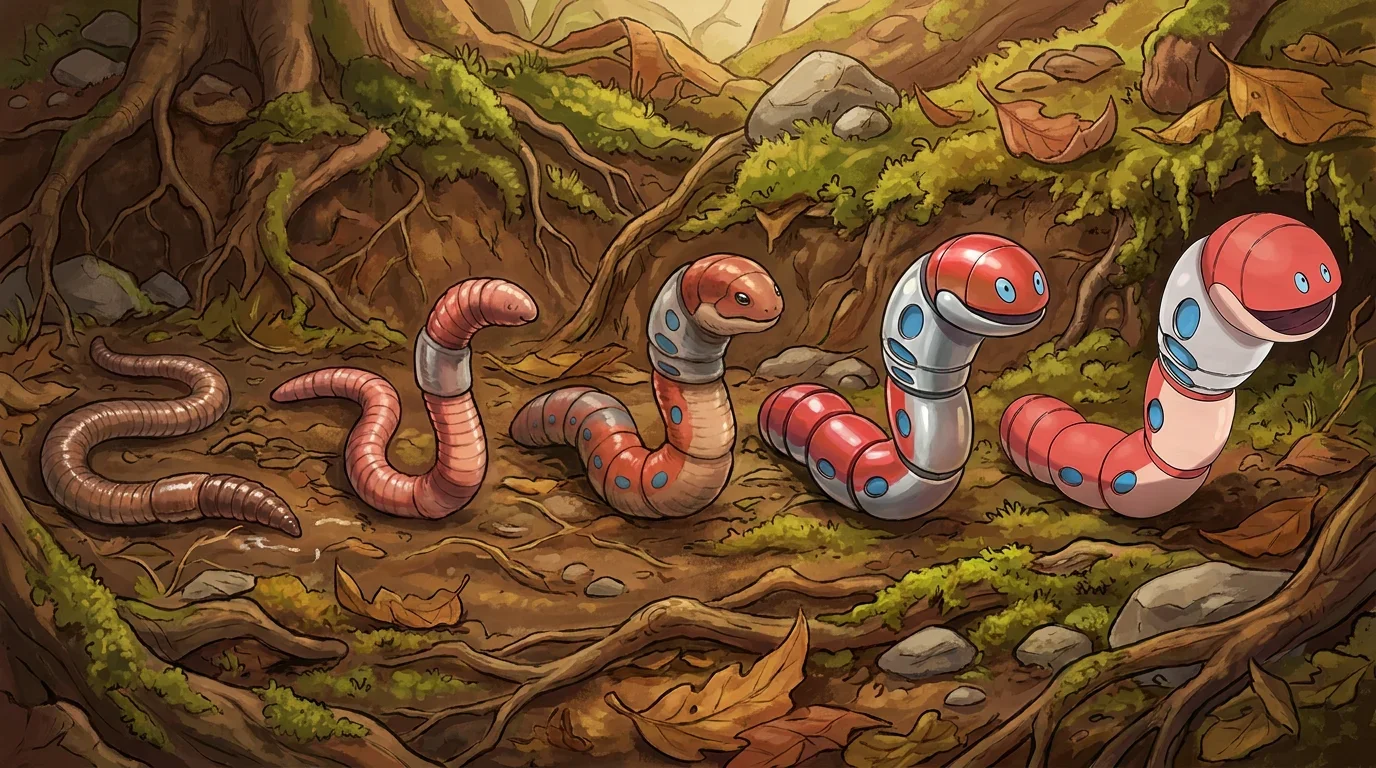
Worm Pokemon are usually caterpillars. Three of them are called the Worm Pokemon, and all three are caterpillars. The Pokemon that are close to real worms are much bigger. Onix lives like an earthworm, swallowing soil as it tunnels, and Orthworm is an earthworm with a subway train built in.
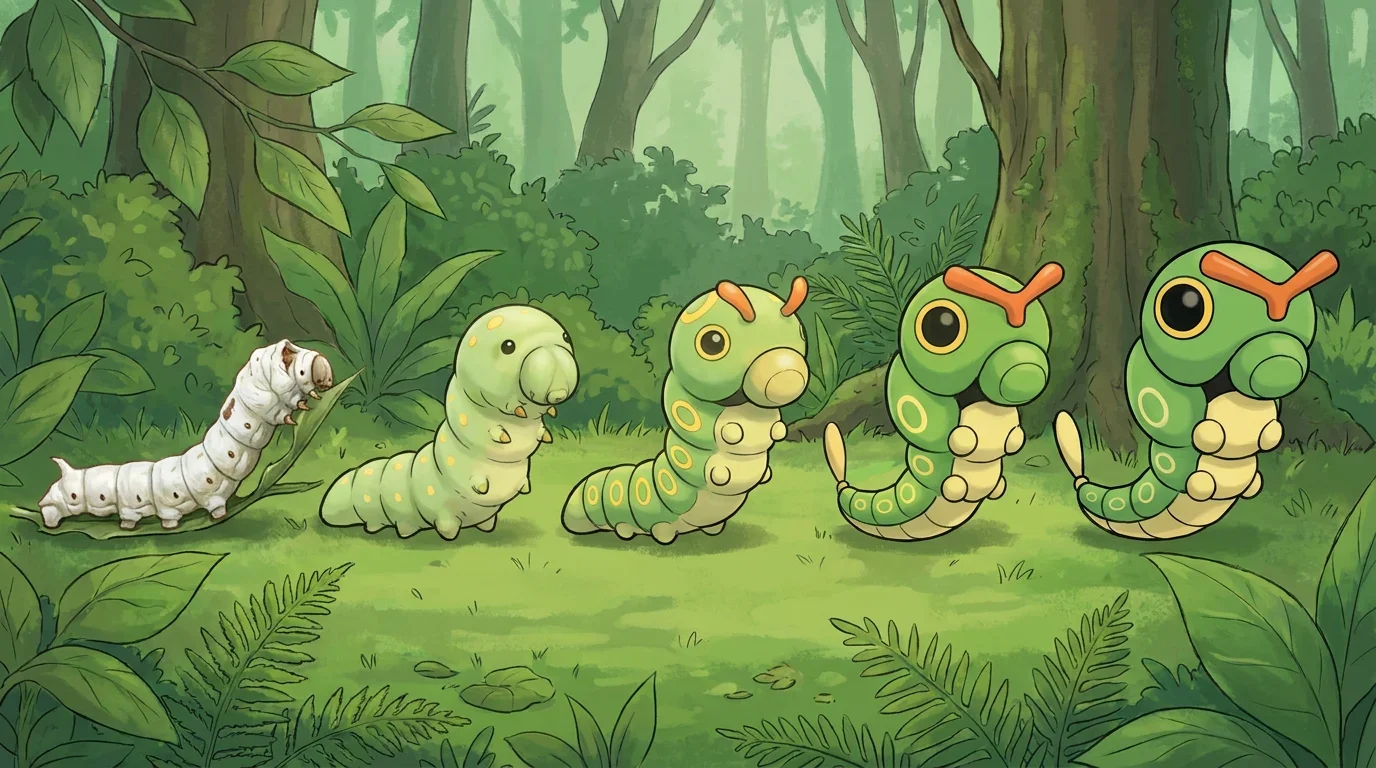
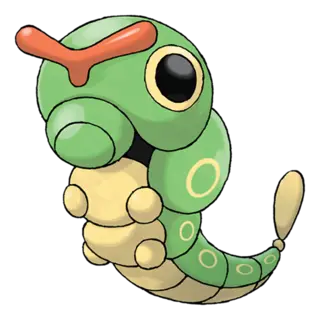
Caterpie, the Worm Pokemon, is based on a caterpillar, perhaps the Asian, eastern tiger or spicebush swallowtail. Those caterpillars share its green body, yellow eyespots and red osmeterium, which these species use to mimic snakes. The tip of its tail resembles the horn that many hawk moth larvae have on their rear ends.
Its short feet are tipped with suction pads that enable it to tirelessly climb slopes and walls. We get winded on the stairs. It stands 0.3 m tall.
#013
Weedle
#013
Type
BugPoison
Category
Hairy Bug Pokémon
National Dex
#0013
Debut
Gen I
Base stat total
195
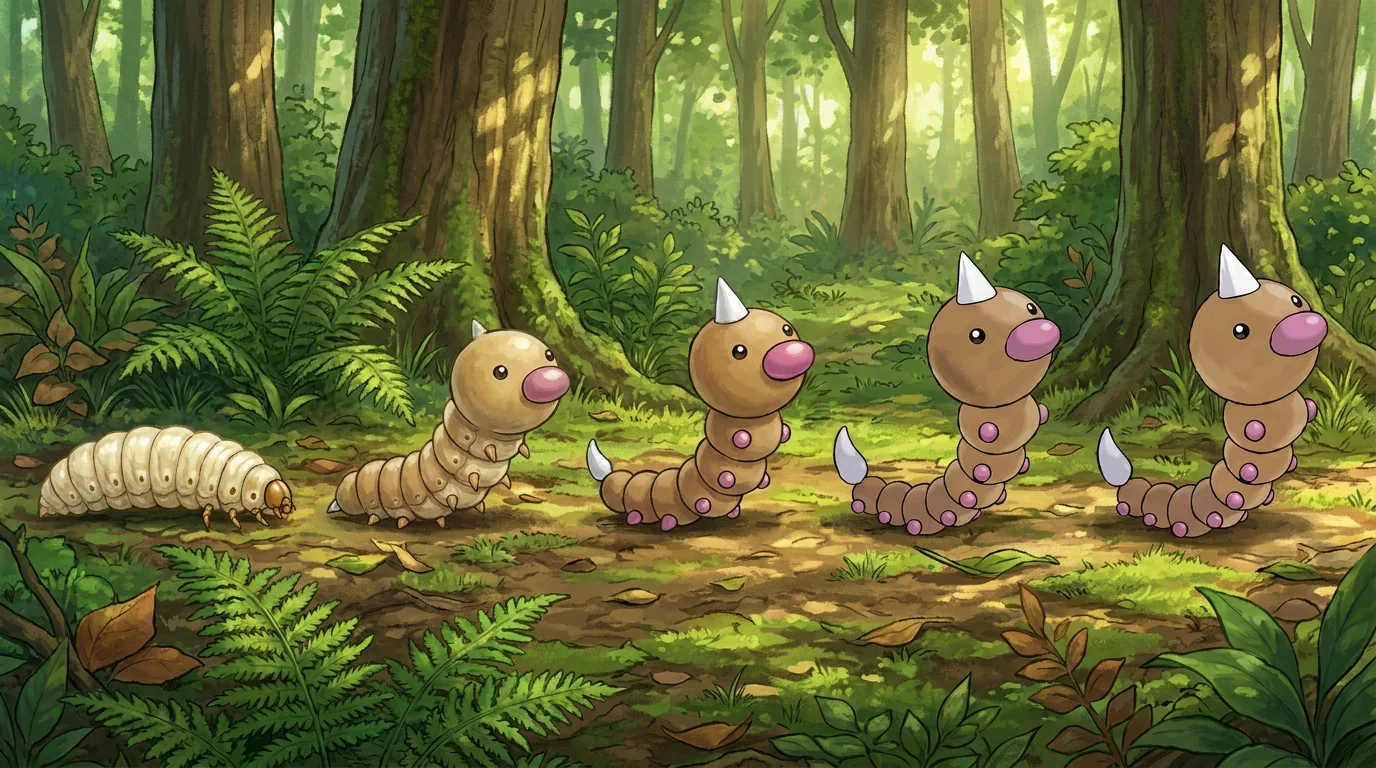
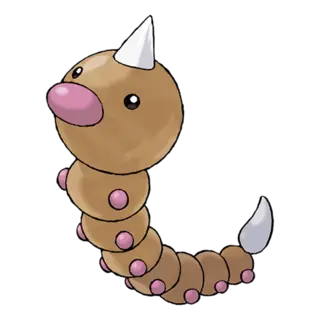
Weedle, the Hairy Bug Pokemon, is based on a wasp or bee larva and on needles or stings. As its Japanese category suggests, it may also be based on stinging caterpillars, and it is possibly based on a waxworm.
It has a sharp stinger on its head, and it hides in grass and bushes where it eats leaves. (We keep our sharp parts in a drawer.) Its Shield Dust ability protects it against the extra effects of moves, such as the chance to poison or paralyze.
#095
Onix
#095
Type
RockGround
Category
Rock Snake Pokémon
National Dex
#0095
Debut
Gen I
Base stat total
385
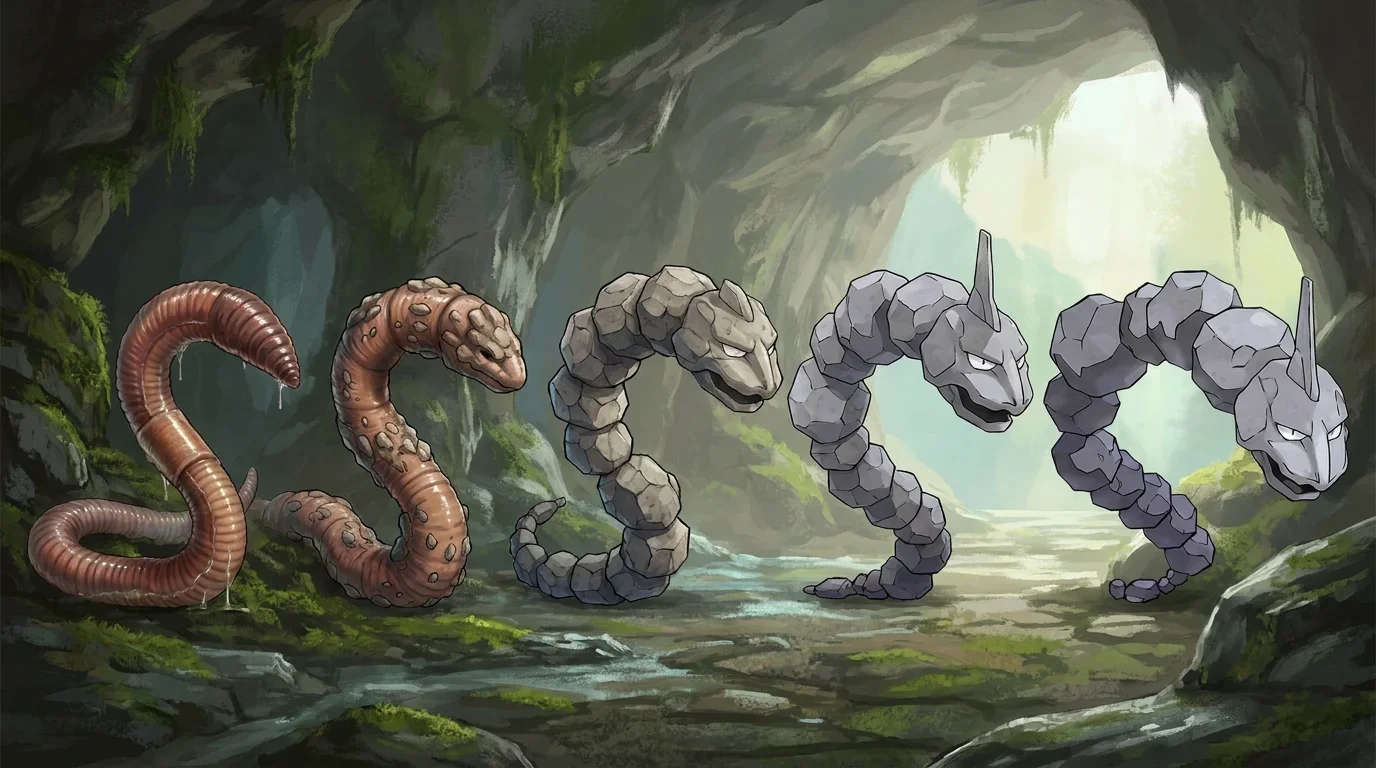
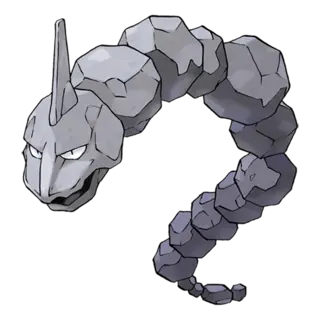
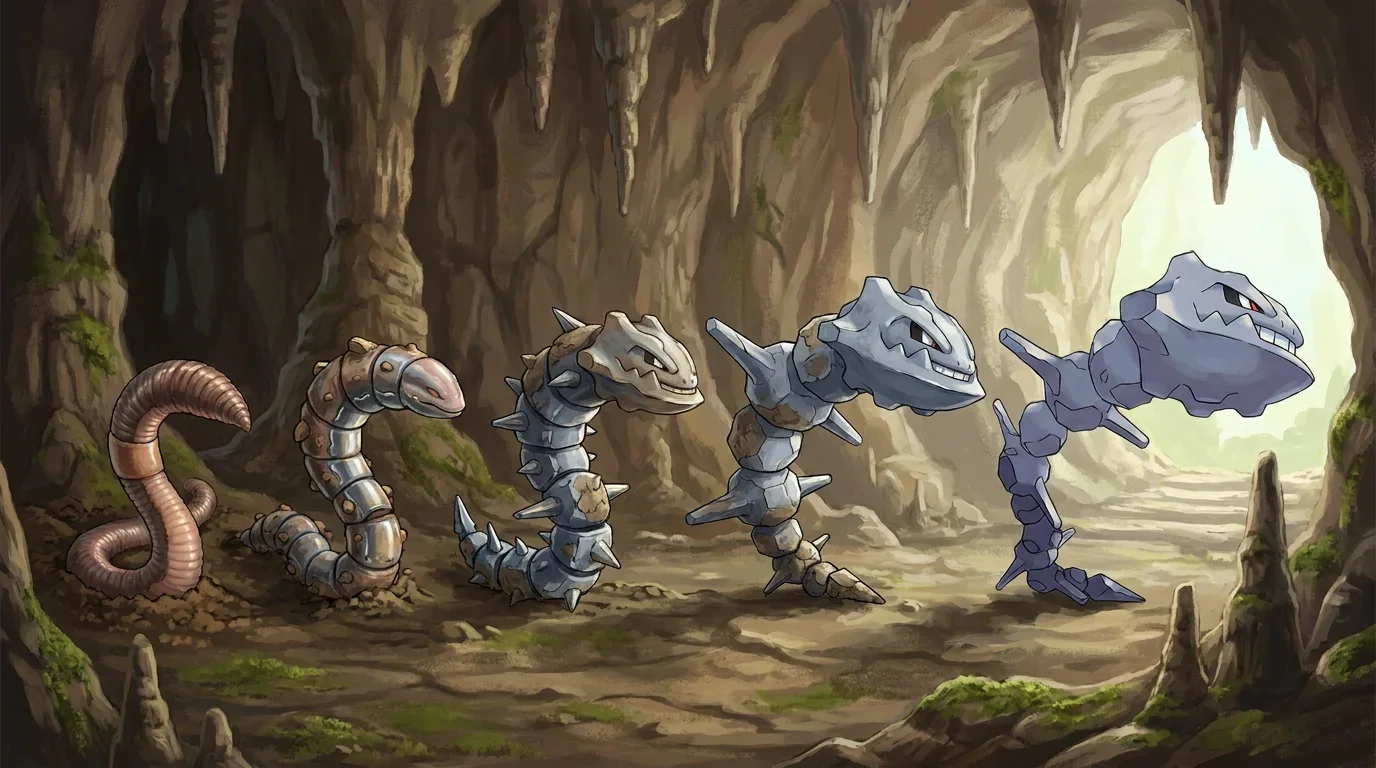
Onix is the Rock Snake Pokemon, though its design may be a visual pun on a rock python or an earthworm. Its great size could have been inspired by the Mongolian death worm, an earthworm-like creature said to reach 2 meters. Its lifestyle, living underground and ingesting massive amounts of soil while tunneling, is much closer to that of an earthworm than a snake.
This chain of immense stones resembles a giant serpent, and tremors shake the earth above as it burrows deep beneath the ground, feeding on boulders as it goes. We eat a sandwich and feel heavy. It stands 8.8 m tall.
#206
Dunsparce
#206
Type
Normal
Category
Land Snake Pokémon
National Dex
#0206
Debut
Gen II
Base stat total
415
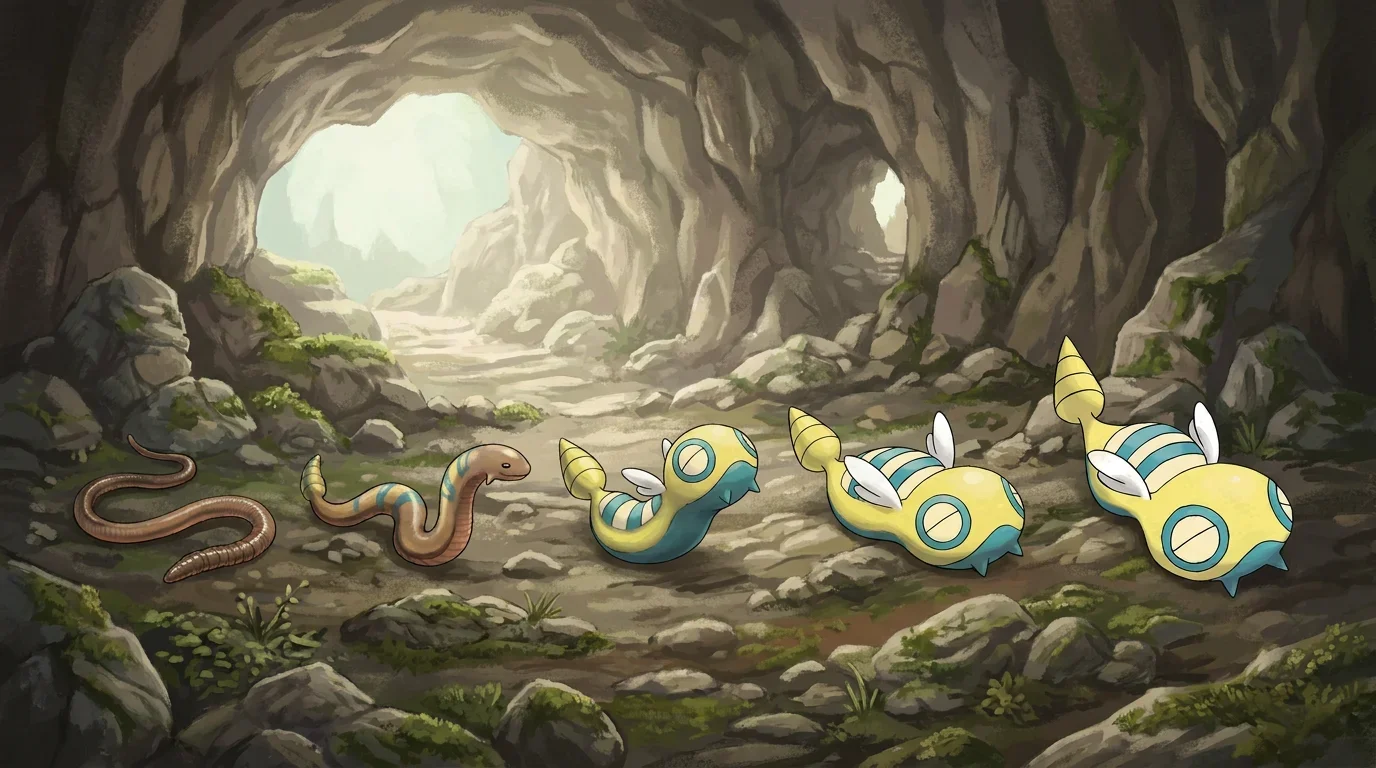
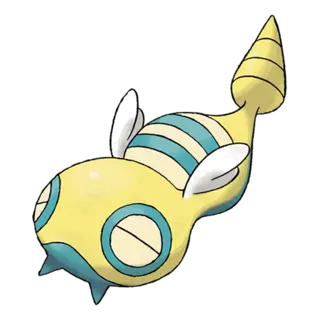
Dunsparce, the Land Snake Pokemon, is based on the Tsuchinoko, a snake-like cryptid of Japan said to have a taste for alcohol, which may explain its gourd-shaped body. Its tendency to burrow backward is similar to snake eels and the thread-gilled worm Cirriformia moorei. Its larva-like shape and horn-like tail may also come from sphinx moth caterpillars, which have a history of being mistaken for the Tsuchinoko.
The nests Dunsparce live in are mazes of tunnels, and they never get lost because they can tell where they are by the scent of the dirt, a skill we lack in a car park with signs.
#208
Steelix
#208
Type
SteelGround
Category
Iron Snake Pokémon
National Dex
#0208
Debut
Gen II
Base stat total
510
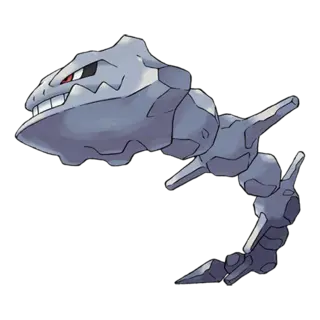
Steelix, the Iron Snake Pokemon, is like Onix a combination of a snake and an earthworm. It may also be based on the bergstutz or stollwurm, a type of dragon that has been presented as burrowing. Its silver coloring and gold Shiny coloring may be references to its debut games, Pokemon Gold and Silver, and the blue hexagonal patterns on its body resemble Liesegang rings, particularly those found in onyx. Its Mega Evolution (a stronger temporary form some Pokemon take in battle) has a crystalline body that may reference graphite turning into diamonds from compression.
Its body is coated with steel powder and so hard that not even diamond can leave so much as a scratch, and our phone screen is jealous. It stands 9.2 m tall and weighs 400 kg. That item is a Metal Coat: Onix becomes Steelix when traded while holding one.
#265
Wurmple
#265
Type
Bug
Category
Worm Pokémon
National Dex
#0265
Debut
Gen III
Base stat total
195
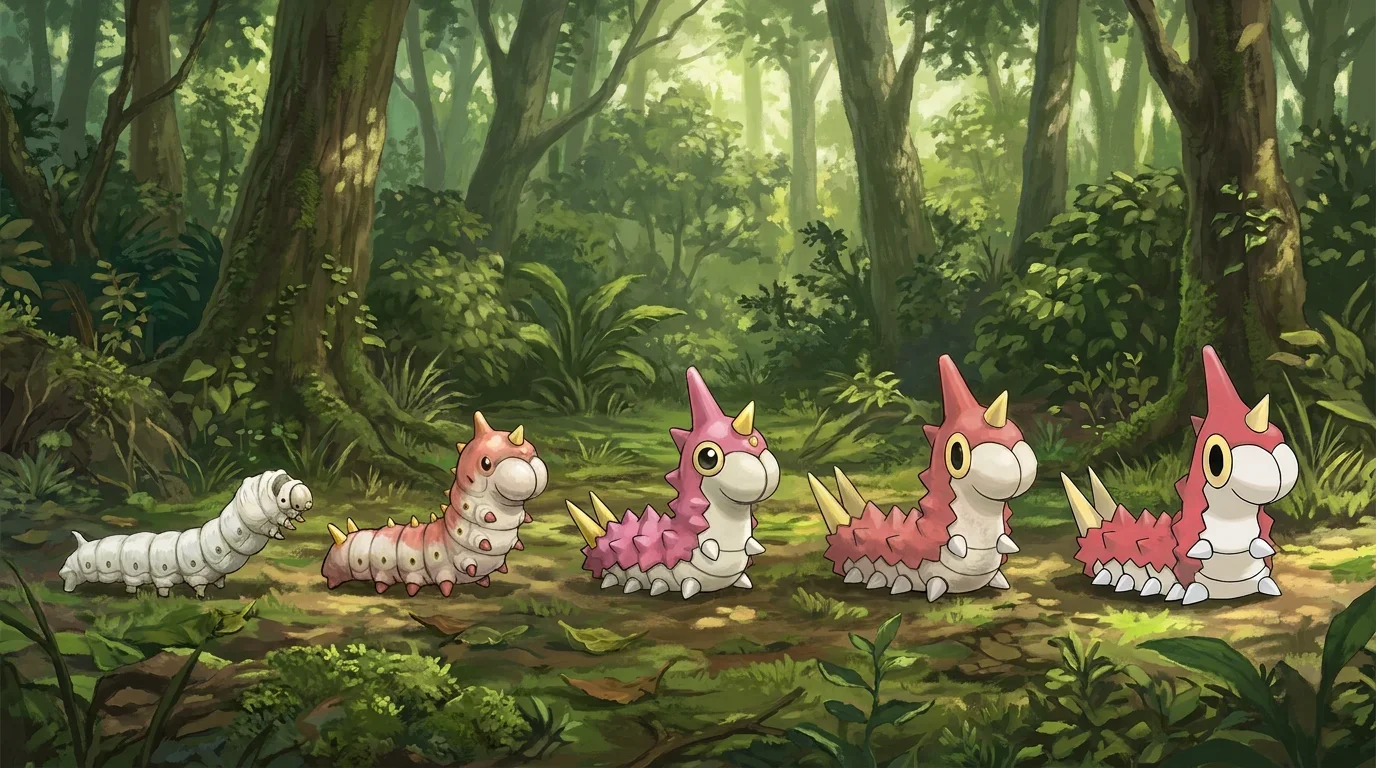
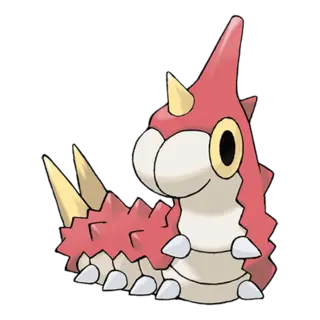
Wurmple, the Worm Pokemon, is based on a caterpillar or a mix of them, such as those of the puss moth and the pipevine swallowtail. Ken Sugimori intentionally designed it to be similar to Caterpie, to fill Caterpie's role in Hoenn as a simple line that teaches new players how evolution works.
It likes sap and is abundant in the wild, and one cannot tell from a Wurmple's appearance which form it will take when it evolves. (We also had no idea what we would turn into.)
#540
Sewaddle
#540
Type
BugGrass
Category
Sewing Pokémon
National Dex
#0540
Debut
Gen V
Base stat total
310
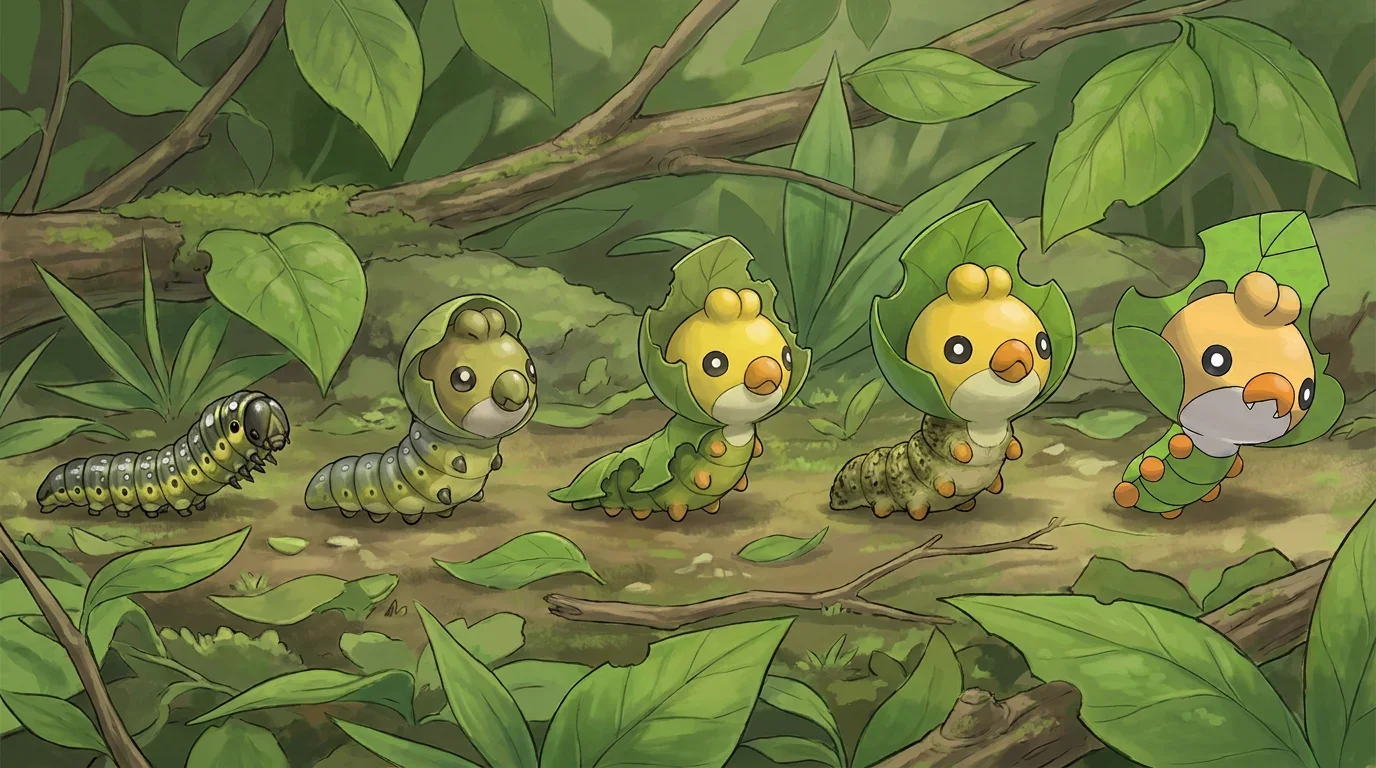
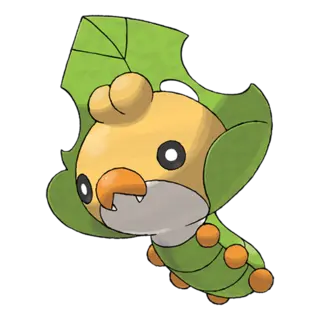
Sewaddle, the Sewing Pokemon, is based on the caterpillar of the silver-spotted skipper, which produces silk and folds leaves over itself for shelter. It also shares some traits with weaver ant larvae, whose silk is used to form nests. The large leaf around its head could represent a baby's bonnet.
It makes its own clothes out of leaves, which makes it a popular mascot for fashion designers. We cannot sew on a button. Its Chlorophyll ability doubles its Speed in strong sunlight.
#636
Larvesta
#636
Type
BugFire
Category
Torch Pokémon
National Dex
#0636
Debut
Gen V
Base stat total
360
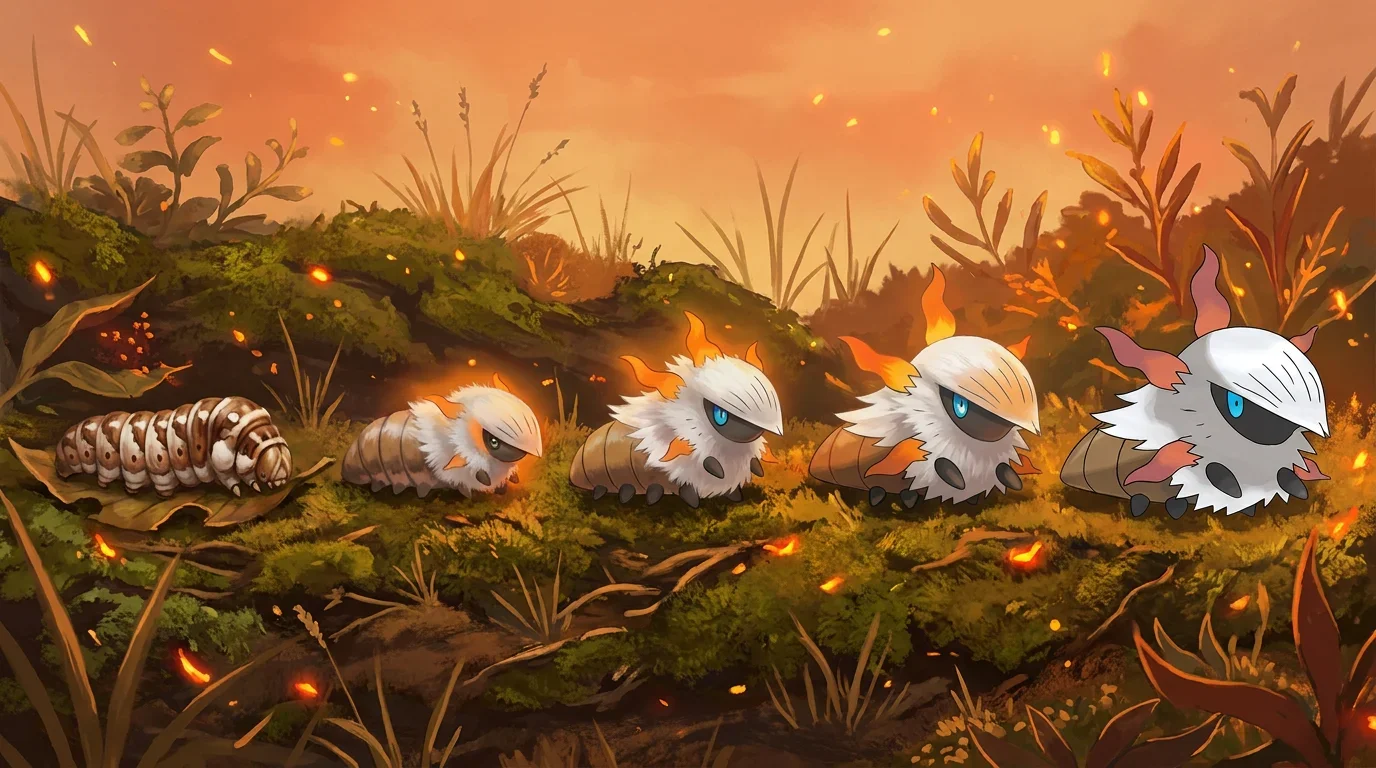
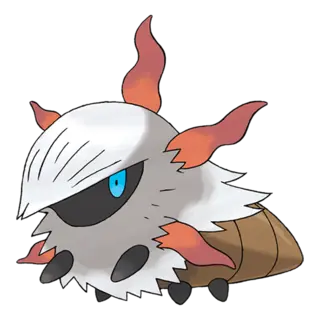
Larvesta, the Torch Pokemon, is based on a moth larva, and its woolly look may be a visual pun on woolly worm, another name for a tiger moth larva. It and Volcarona may draw from legends of the phoenix born from a worm, as described in medieval Christian texts. Its lore of falling from the sun may allude to Phaethon, son of the Greek sun god, who fell from his father's solar chariot.
Its body is warm all over, and it spouts fire from the tips of its horns to intimidate predators and scare prey. We would also like to be warm all over, but the heating bill disagrees.
#736
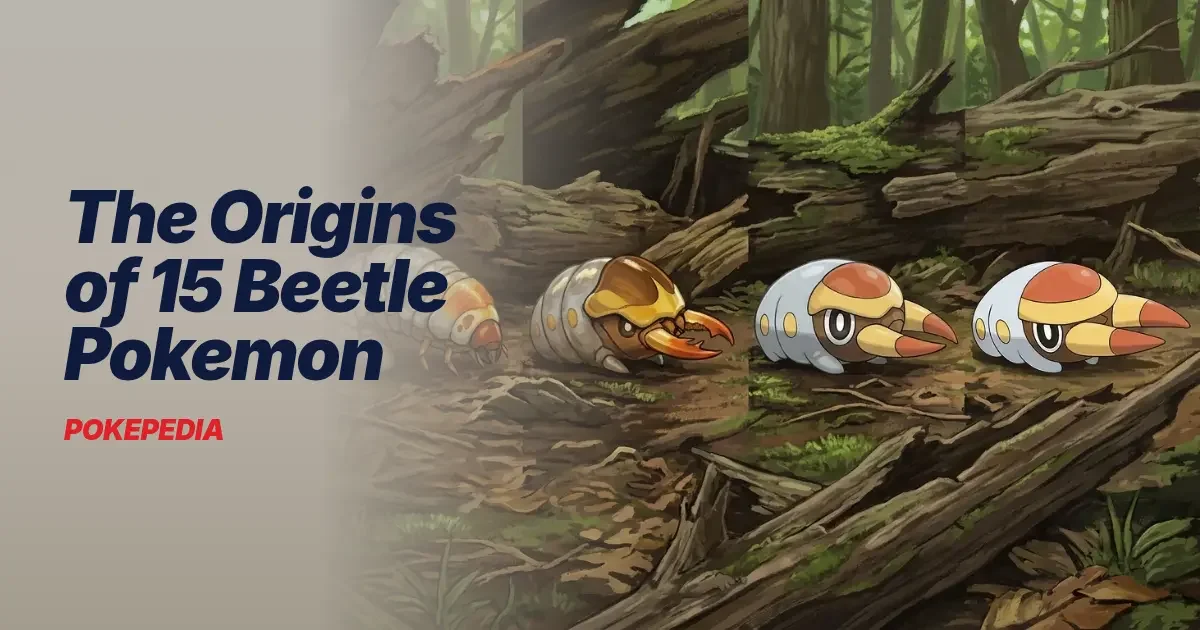
Grubbin
#736
Type
Bug
Category
Larva Pokémon
National Dex
#0736
Debut
Gen VII
Base stat total
300
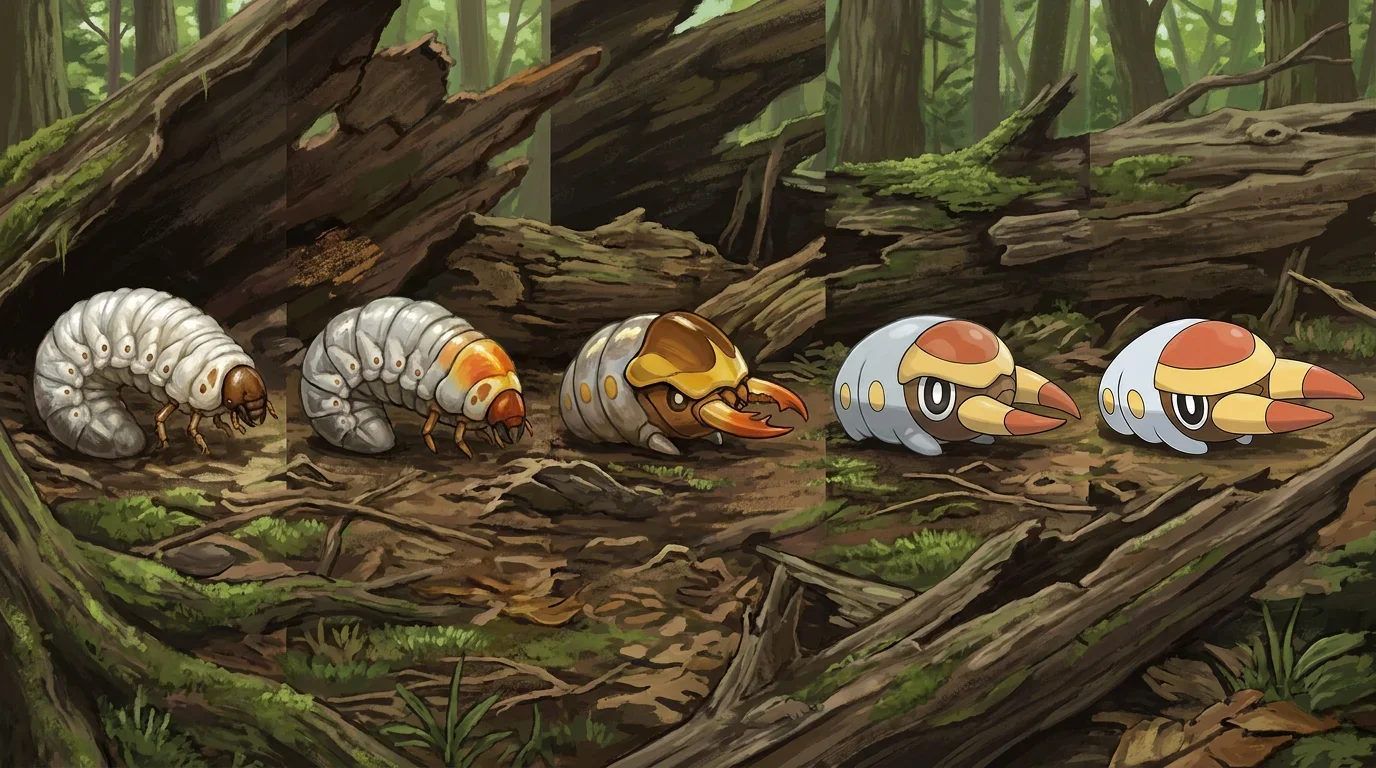
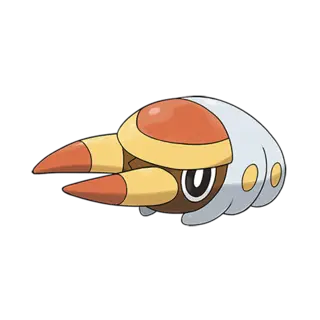
Grubbin, the Larva Pokemon, is based on a larval beetle, also known as a grub. It also bears a resemblance to a common two-pronged electrical plug, which is backed by the fact that it gains the Electric type when it evolves into Charjabug.
It uses its big jaws to dig nests into the forest floor, and it loves to feed on sweet tree sap. We also spend the weekend this way. Its Swarm ability raises its Bug moves to 1.5× damage once its HP drops to a third or less.
#824
Blipbug
#824
Type
Bug
Category
Larva Pokémon
National Dex
#0824
Debut
Gen VIII
Base stat total
180
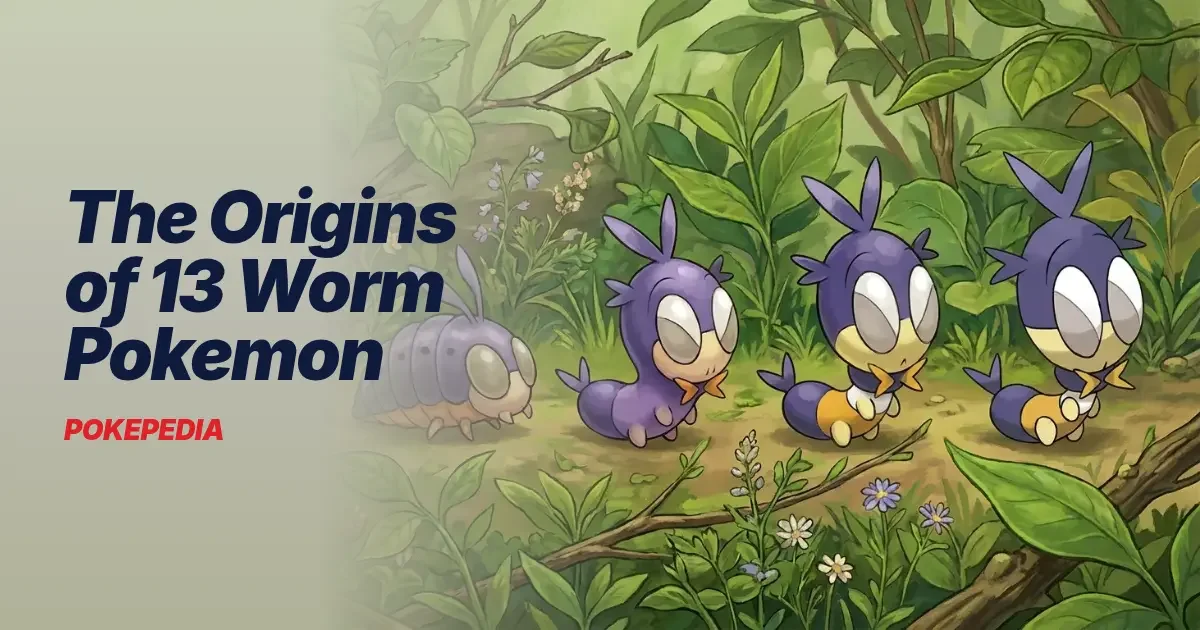
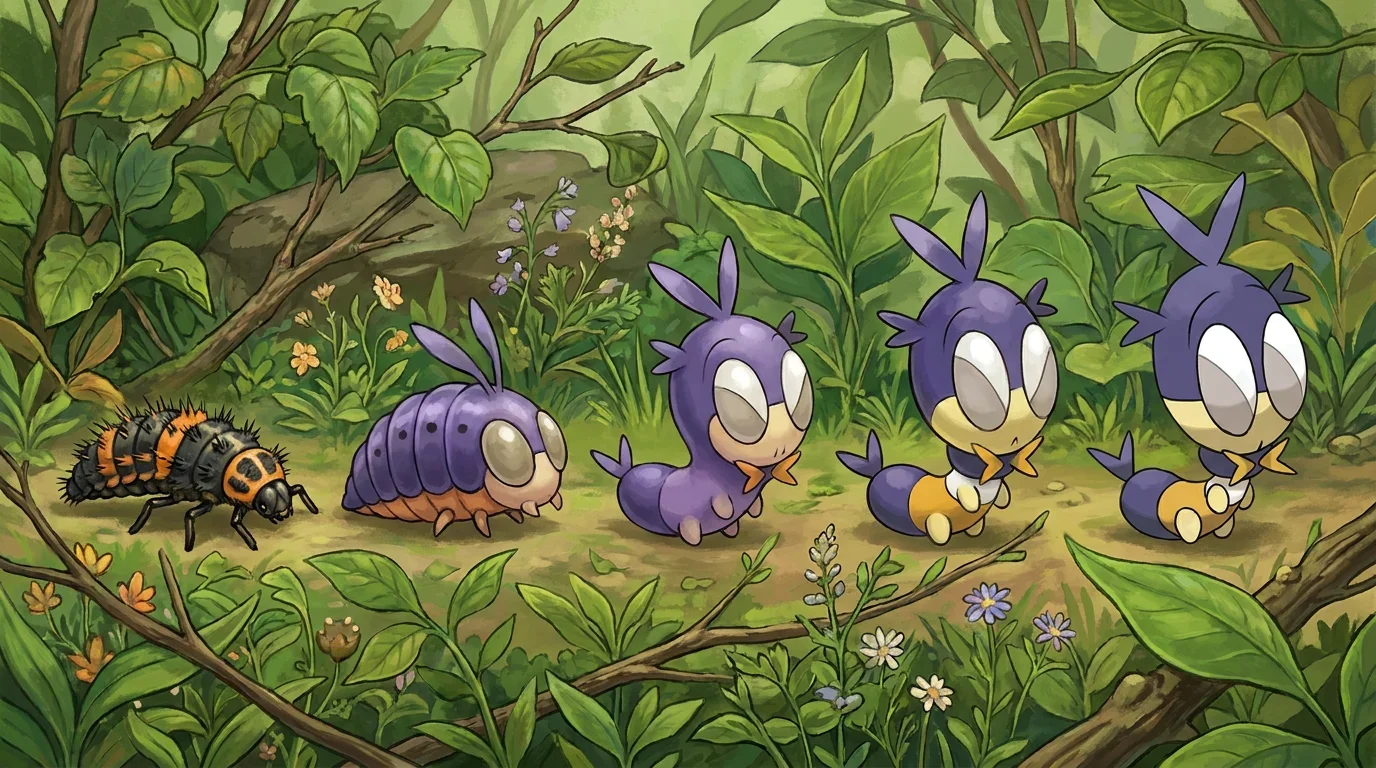
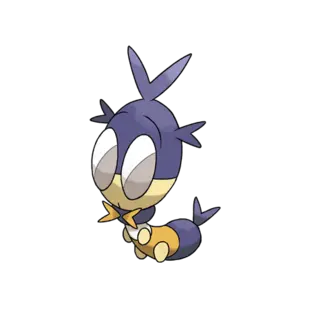
Blipbug, the Larva Pokemon, may be based on a ladybug larva. Its glasses-like eyes and bowtie-like neck feelers may echo the image of a stereotypical nerd, and together they may imply a bookworm, a word for both someone obsessed with books and an insect that burrows into the pages of books.
It is often found in gardens and has hairs on its body that it uses to assess its surroundings. (We have no comment on how close this hits.)
#872
Snom
#872
Type
IceBug
Category
Worm Pokémon
National Dex
#0872
Debut
Gen VIII
Base stat total
185
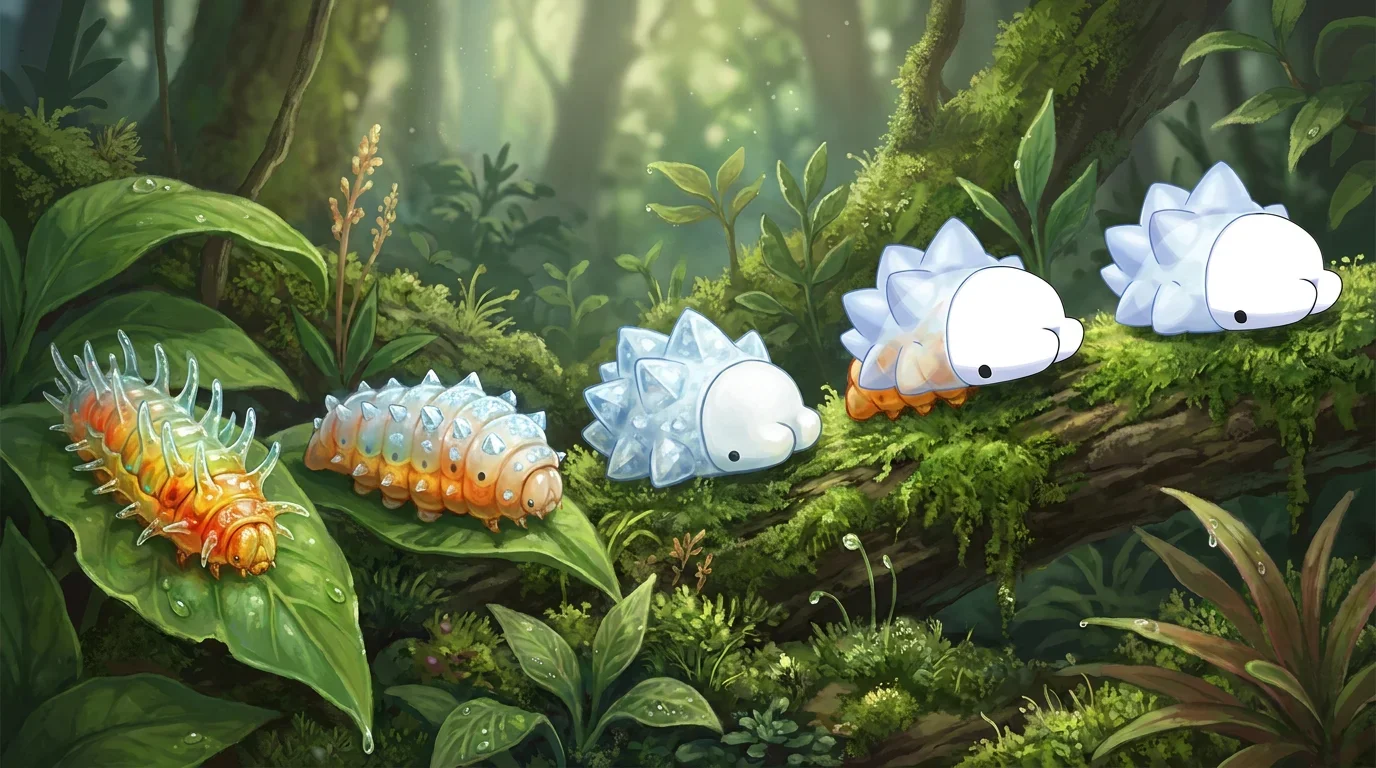
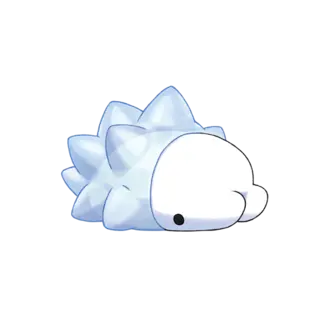
Snom, the Worm Pokemon, may be based on a jewel caterpillar. It may also draw on the larvae of Arctic moths such as the arctic woolly bear moth, which can enter a dormant state that lets it endure temperatures as low as −70 °C.
It eats snow that piles up on the ground, and the more snow it eats, the bigger and more impressive the spikes on its back grow. We were told not to eat snow.
#960
Wiglett
#960
Type
Water
Category
Garden Eel Pokémon
National Dex
#0960
Debut
Gen IX
Base stat total
245
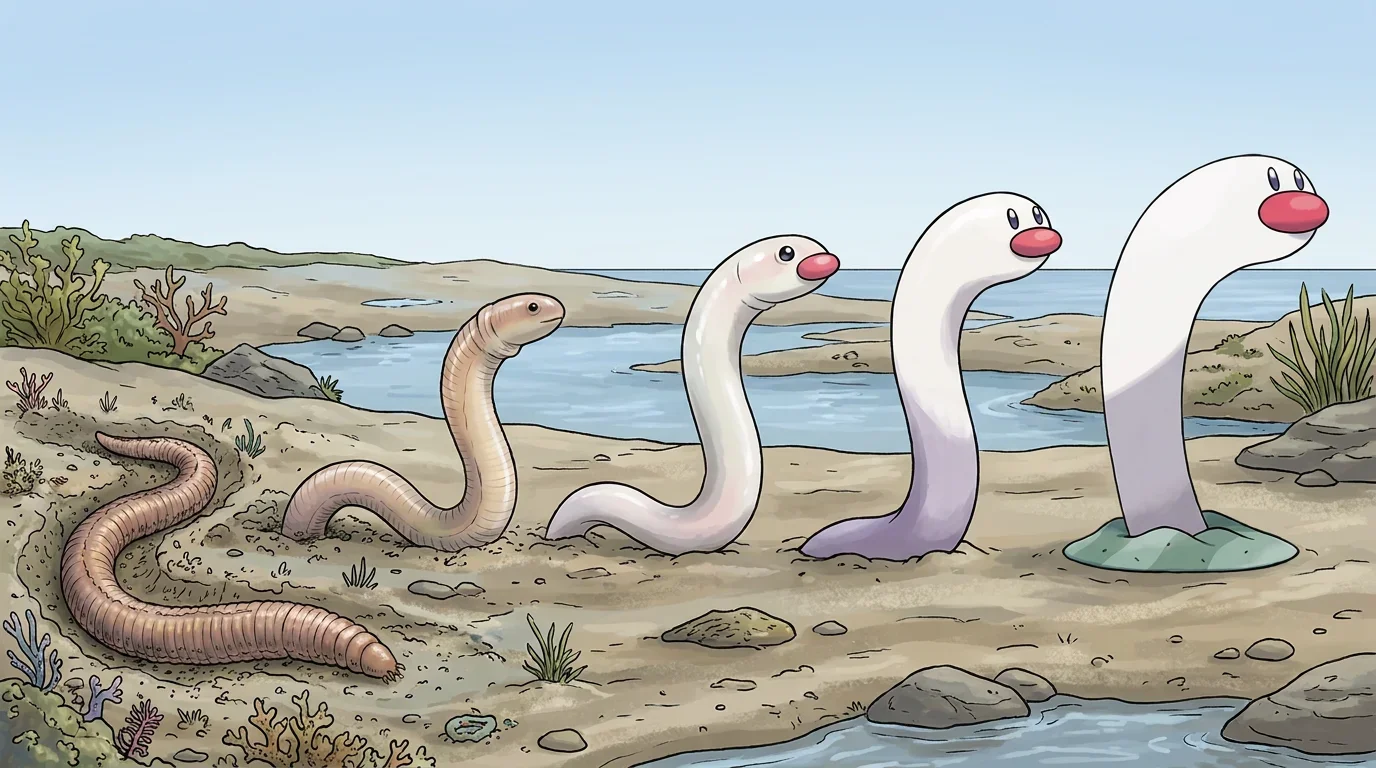
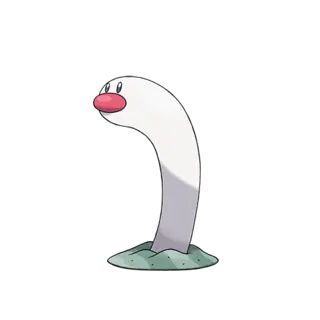
Wiglett, the Garden Eel Pokemon, is based on garden eels and may also draw inspiration from tube worms and tubifex worms. Its likeness to Diglett may be a reference to convergent evolution, which can lead separate organisms to develop similar body plans on their own. Its simple anatomy, lack of fins and strong sense of smell may come from the hagfish.
Though it looks like Diglett, Wiglett is an entirely different species, and the resemblance seems to be a coincidental result of environmental adaptation. We see the same thing at the office.
#968
Orthworm
#968
Type
Steel
Category
Earthworm Pokémon
National Dex
#0968
Debut
Gen IX
Base stat total
480
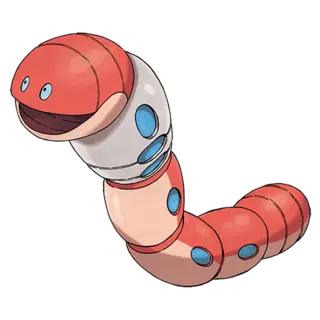
Orthworm, the Earthworm Pokemon, is based on an earthworm, and also shares similarities to a subway train, with segments whose ovals resemble clear windows. It may also be inspired by the Iberian worm lizard, a reptile that looks like an earthworm and lives deep underground in Spain and Portugal, which Paldea is based on. Its giant Titan form may borrow from the Mongolian death worm and the sandworms of works like Dune.
Weighing 310 kg, it lives in arid deserts and maintains its metal body by consuming iron from the soil. We take a pill and forget it.
Eight of the 13 Worm Pokemon Are Insect Larvae
Caterpie, Weedle, Wurmple, Sewaddle, Larvesta, Grubbin, Blipbug and Snom are all larvae. Wiglett is a garden eel with some tube worm thrown in, and Onix and Steelix put an earthworm's habits in a snake's body. Only Orthworm, the Earthworm Pokemon, is an earthworm by name and by design.
Worm Pokemon FAQ
How many worm Pokemon are there?
There are 13 worm Pokemon. Four of them have worm in their category, and eight are insect larvae.
What is the strongest worm Pokemon?
Steelix, with a base stat total of 510. Orthworm comes next at 480.
Is Caterpie a worm?
No. Caterpie is called the Worm Pokemon, but it is based on a caterpillar, the larva of a butterfly.
Is Onix a worm?
Yes, in part. Onix is the Rock Snake Pokemon, but its design may pun on an earthworm and its underground lifestyle is much closer to an earthworm's than a snake's.