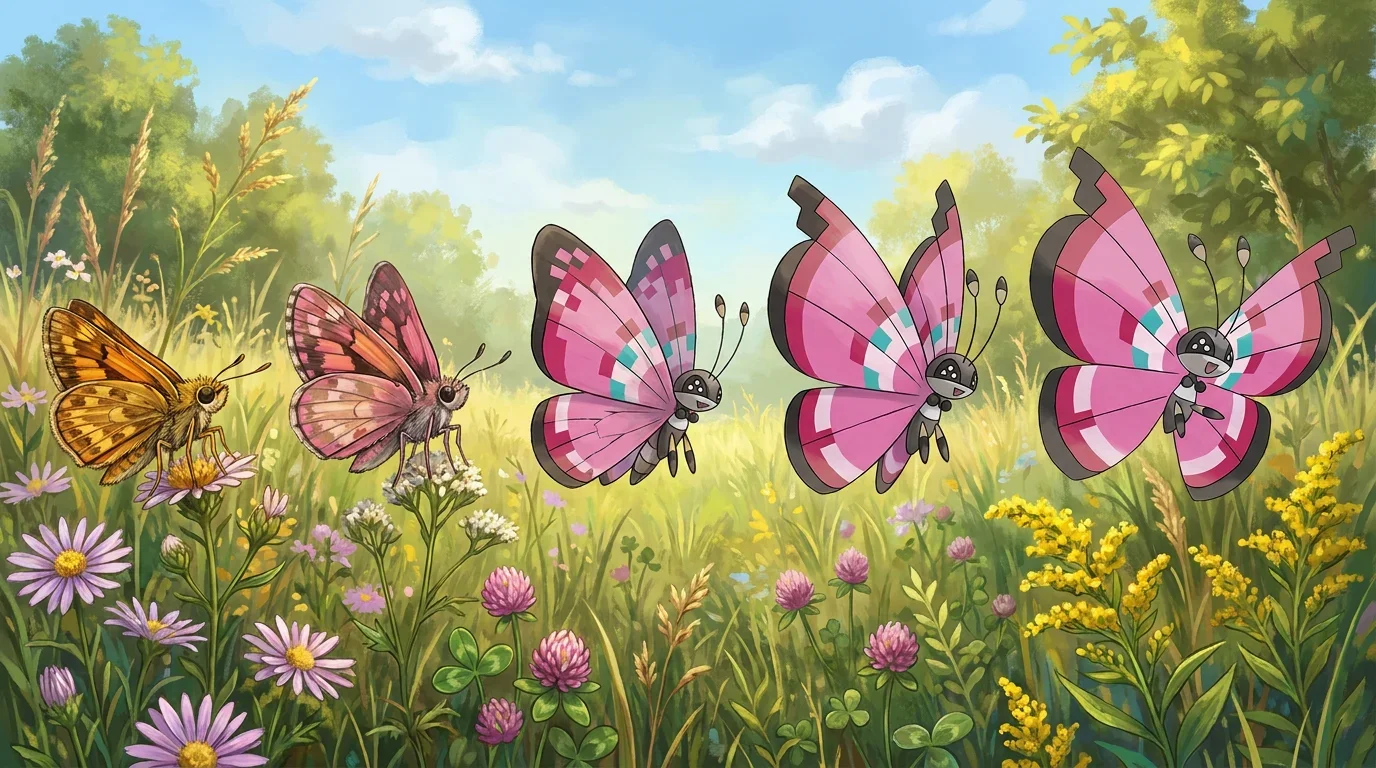
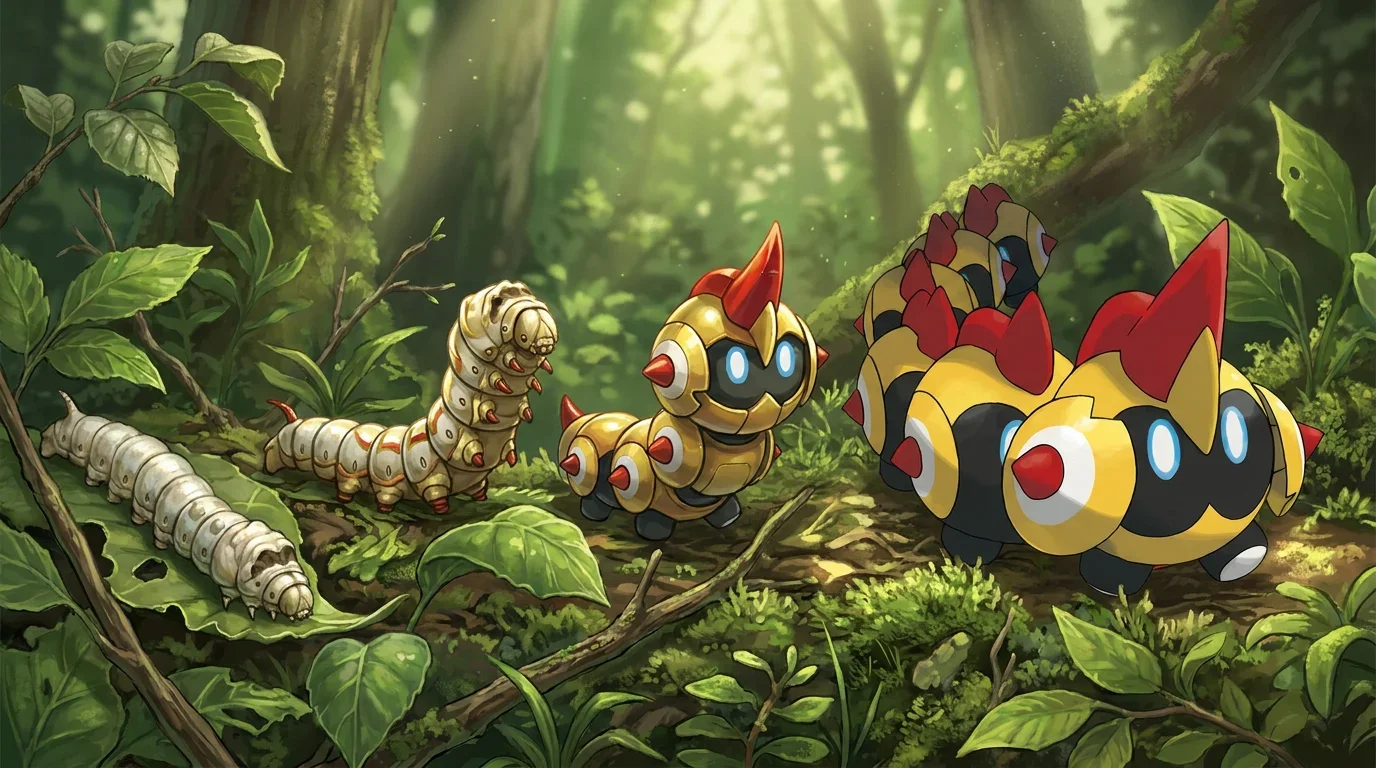
Most butterfly Pokemon are not butterflies yet. Real butterflies start out as caterpillars and spend time in a cocoon, and the games copy that life cycle closely. Only two of the 18 are called butterflies, and several of the others are here only because they look like caterpillars.
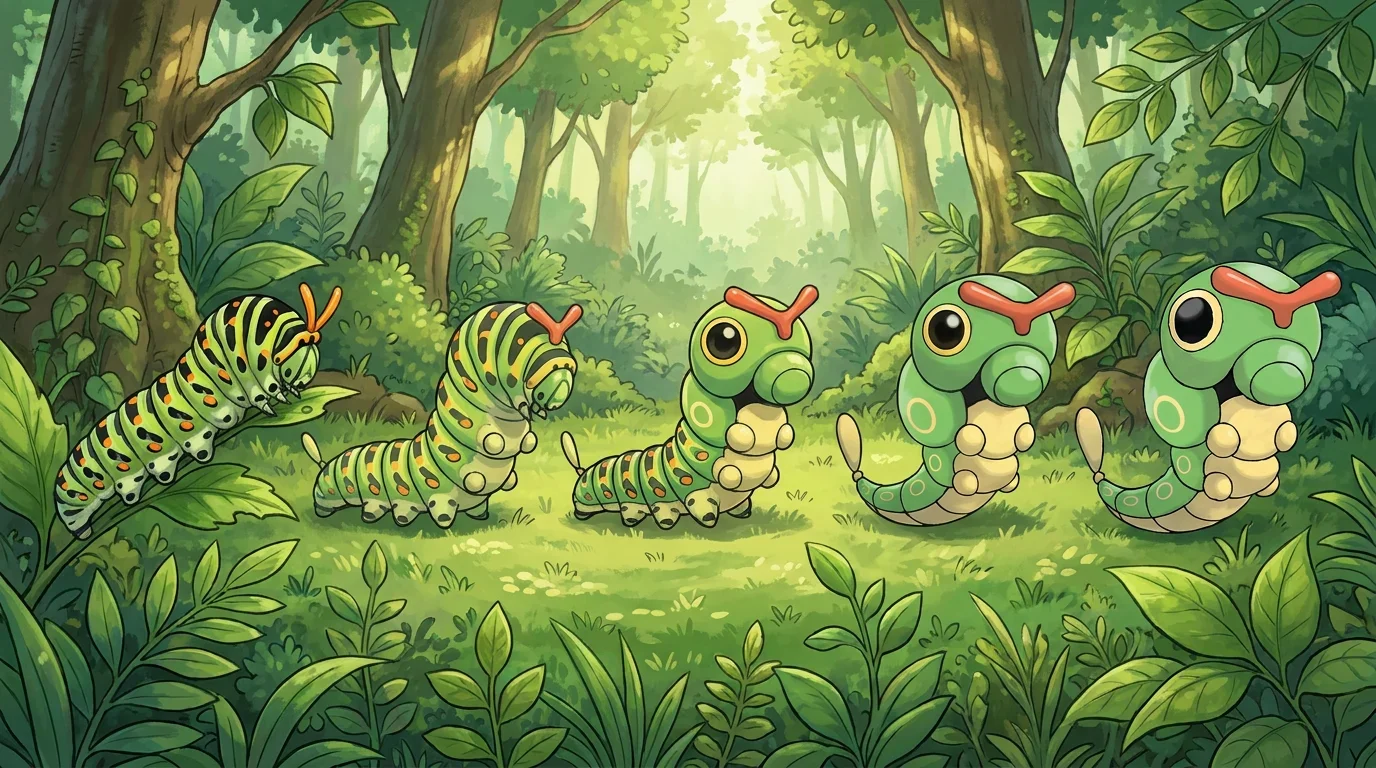
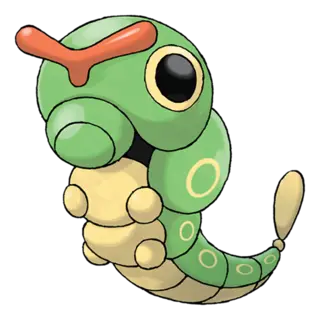
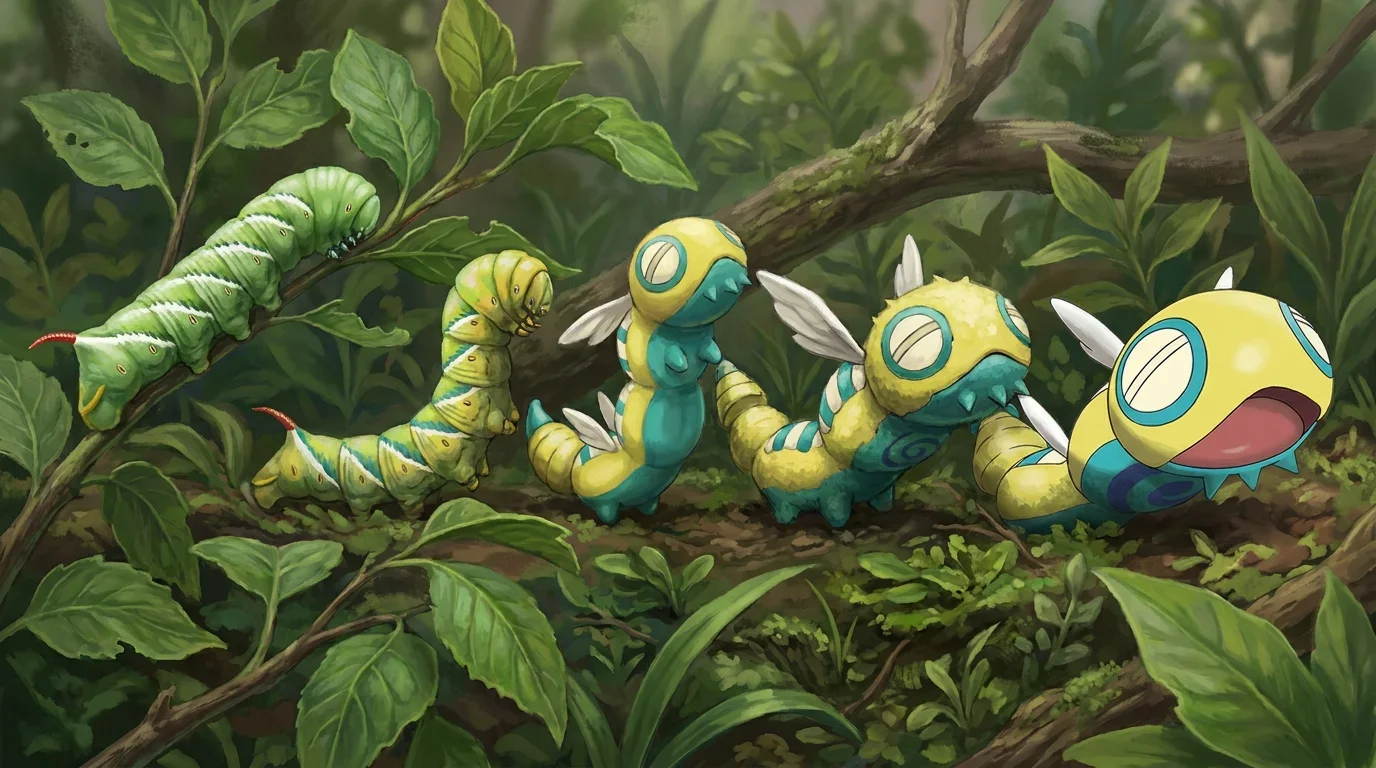
Caterpie, the Worm Pokemon, is based on a caterpillar, perhaps the Asian swallowtail, eastern tiger swallowtail or spicebush swallowtail. Those species share its green body, yellow eyespots and red osmeterium, which these species use to mimic snakes. The tip of its tail resembles the horn that many hawk moth larvae have on their rear ends.
Its short feet are tipped with suction pads that let it climb slopes and walls without tiring. We get winded on the stairs and own no suction pads. It stands 0.3 m tall and weighs 2.9 kg. Its Shield Dust ability protects it from the extra effects of moves, like a burn or a flinch riding along with an attack. An ability is a passive effect that works on its own in battle.
#011
Metapod
#011
Type
Bug
Category
Cocoon Pokémon
National Dex
#0011
Debut
Gen I
Base stat total
205
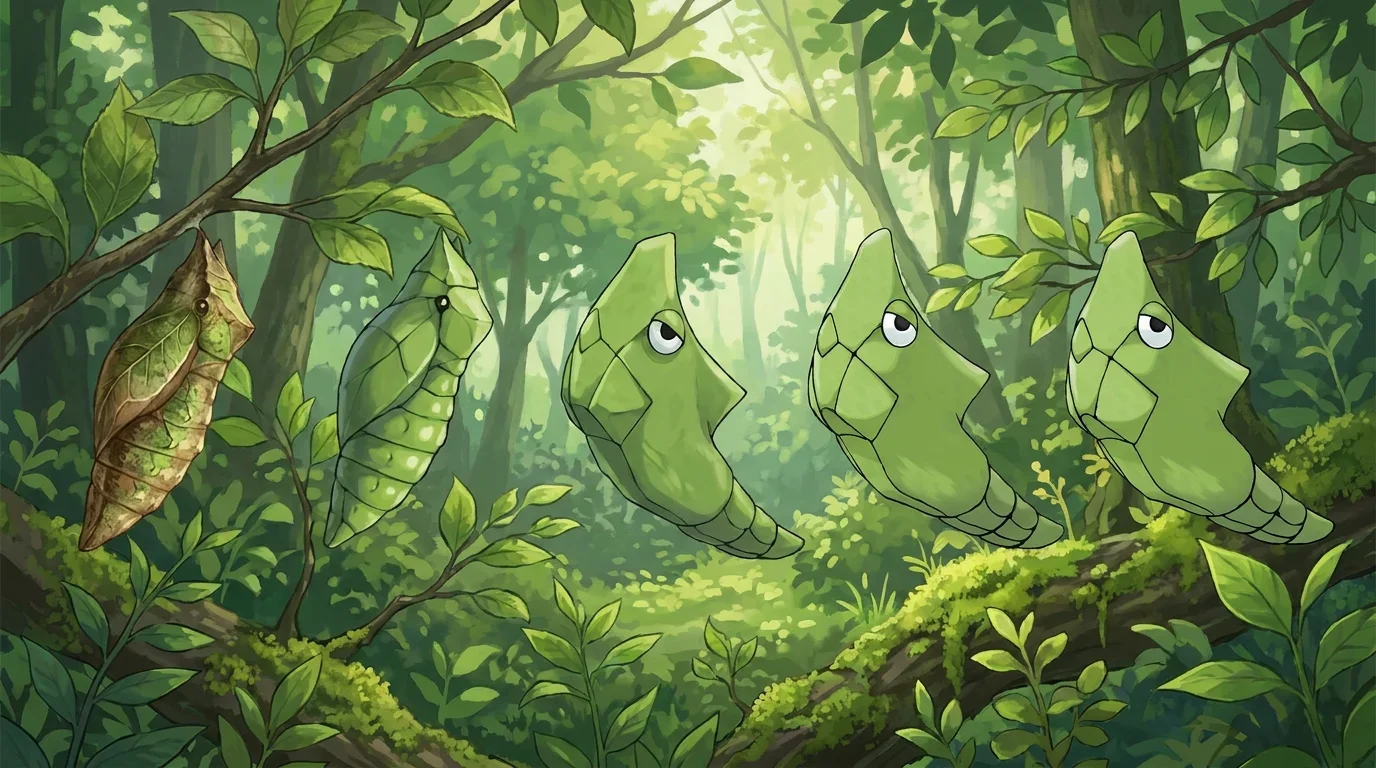
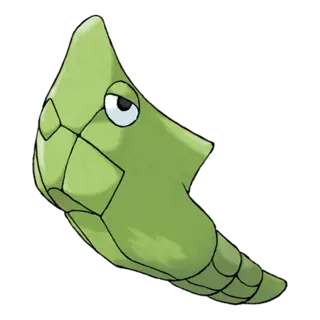
Metapod, the Cocoon Pokemon, is based on a butterfly chrysalis, possibly that of the cabbage white butterfly, given its pointed shape and green color.
Even though it is encased in a sturdy shell, the body inside is tender, and it cannot withstand a harsh attack. (We have been described as a hard shell over a soft middle too.) It weighs 9.9 kg, and its Shed Skin ability gives it a 33% chance of curing a major status problem such as poison after each turn.
#012
Butterfree
#012
Type
BugFlying
Category
Butterfly Pokémon
National Dex
#0012
Debut
Gen I
Base stat total
395
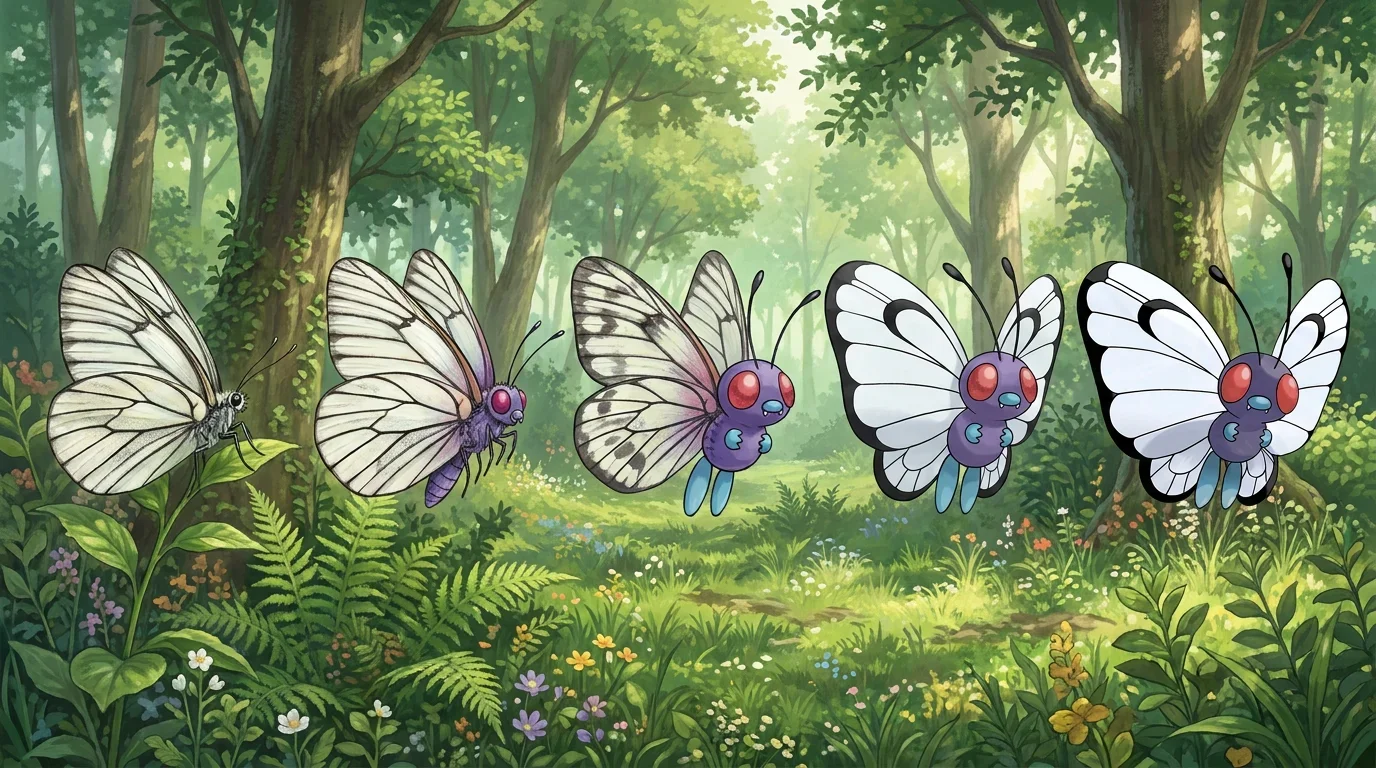
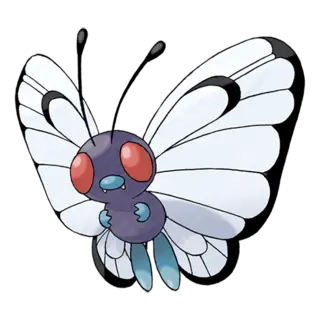
Butterfree, the Butterfly Pokemon, is based on the black-veined white butterfly. Its pairing with Beedrill, the bee at the end of Weedle's line, may refer to the phrase "Float like a butterfly, sting like a bee", coined by the boxer Muhammad Ali. Two episodes of the English dub even used it as "floating like a Butterfree and stinging like a Beedrill".
It collects honey and rubs it onto the hairs on its legs to carry it back to its nest. We have dropped a sandwich with both hands, so we respect the legwork. Its Compound Eyes ability raises the accuracy of its moves to 1.3×.
#013
Weedle
#013
Type
BugPoison
Category
Hairy Bug Pokémon
National Dex
#0013
Debut
Gen I
Base stat total
195
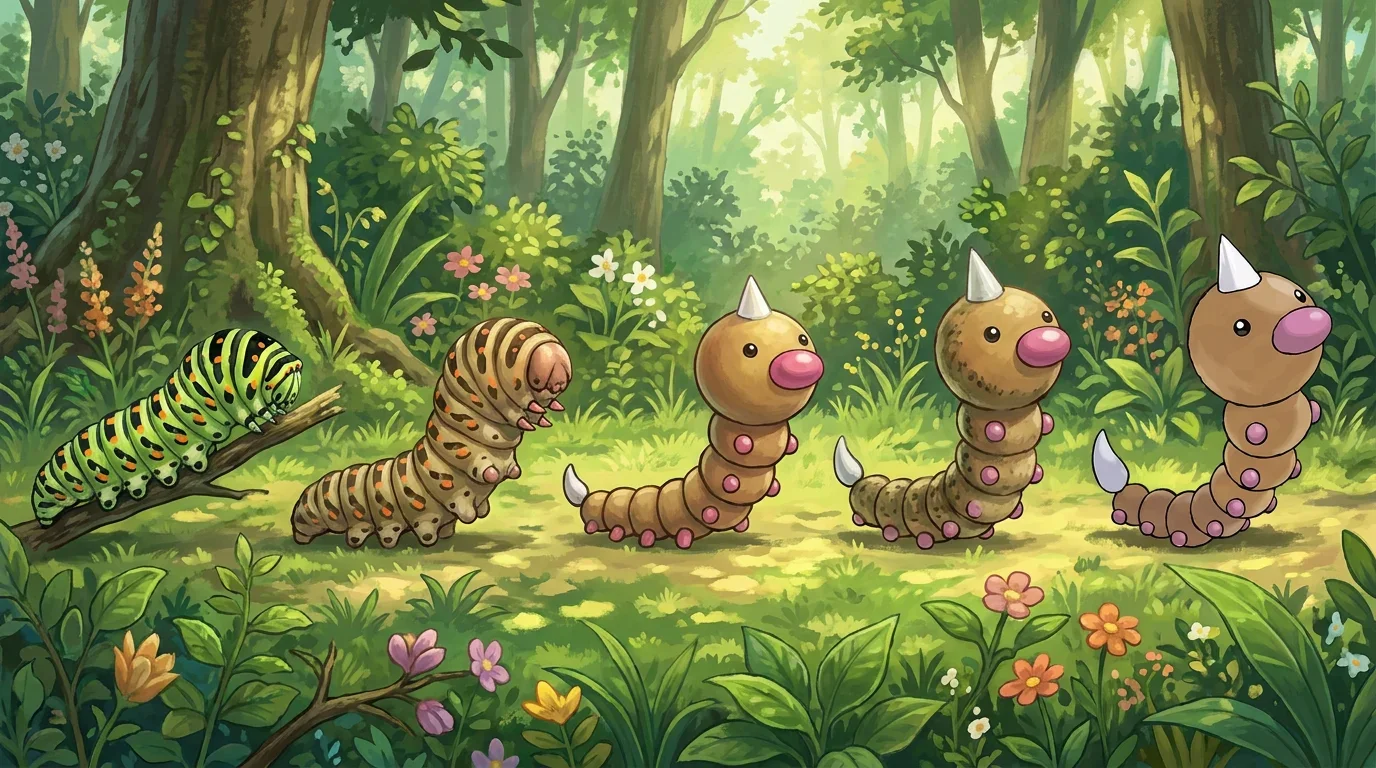
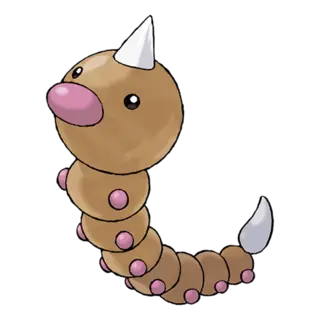
Weedle, the Hairy Bug Pokemon, is based on a wasp or bee larva and on needles or stings. As its Japanese category suggests, it may also be based on stinging caterpillars, and possibly on a waxworm.
Beware of the sharp stinger on its head. It hides in grass and bushes where it eats leaves. (We have reread that warning about the stinger several times.) It stands 0.3 m tall and weighs 3.2 kg.
#049
Venomoth
#049
Type
BugPoison
Category
Poison Moth Pokémon
National Dex
#0049
Debut
Gen I
Base stat total
450
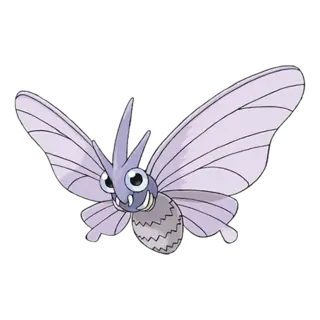
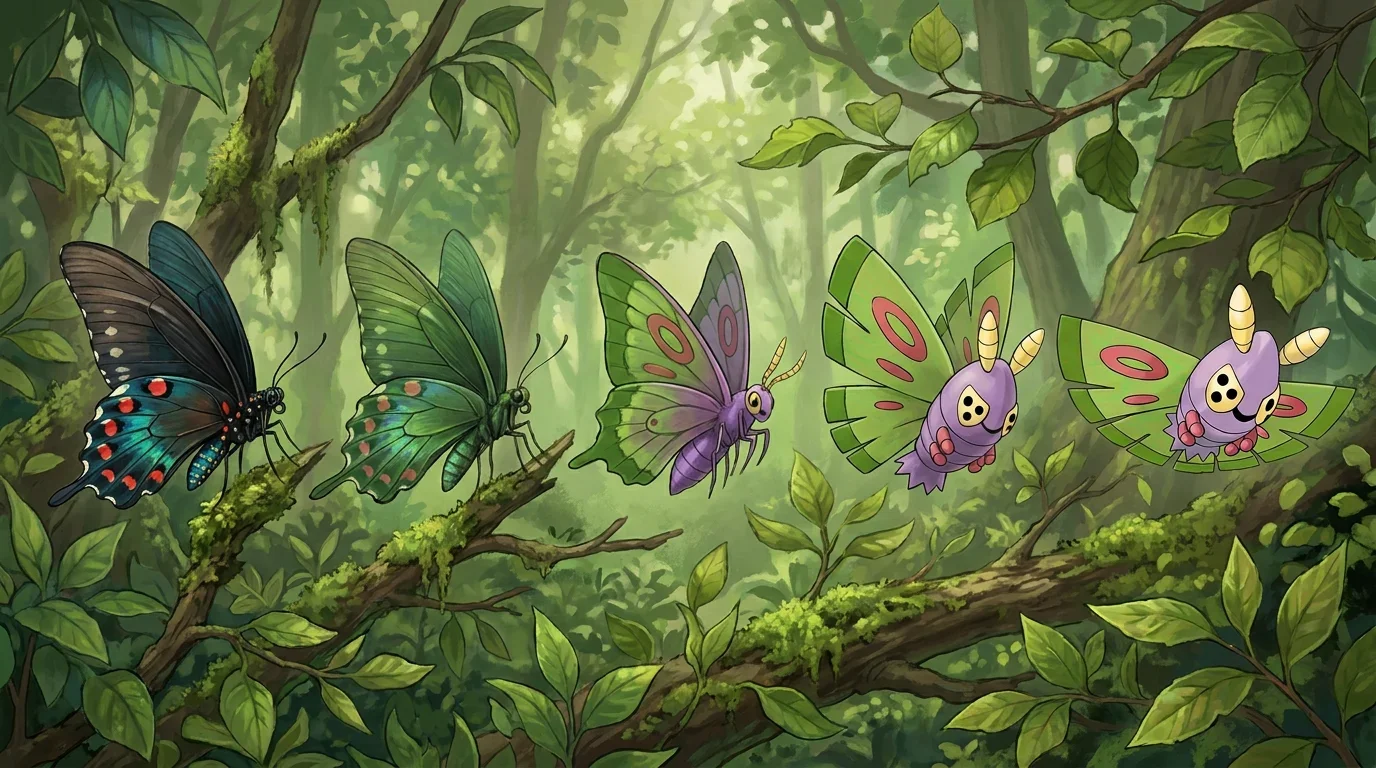
Venomoth, the Poison Moth Pokemon, is based on swallowtail moths, many of which are toxic. Its face and insect diet suggest it may also draw on lacewings, which, like many moths, are attracted to lights at night, and it may be a play on the moth lacewing. Its Shiny coloration is similar to a blue morpho butterfly.
The powdery scales on its wings are hard to remove from skin, and they contain poison that leaks out on contact. We already have glitter everywhere, and at least ours does not poison anyone. Its Tinted Lens ability doubles the damage of its not very effective moves, which keeps its attacks useful against Pokemon that resist them.
#206
Dunsparce
#206
Type
Normal
Category
Land Snake Pokémon
National Dex
#0206
Debut
Gen II
Base stat total
415
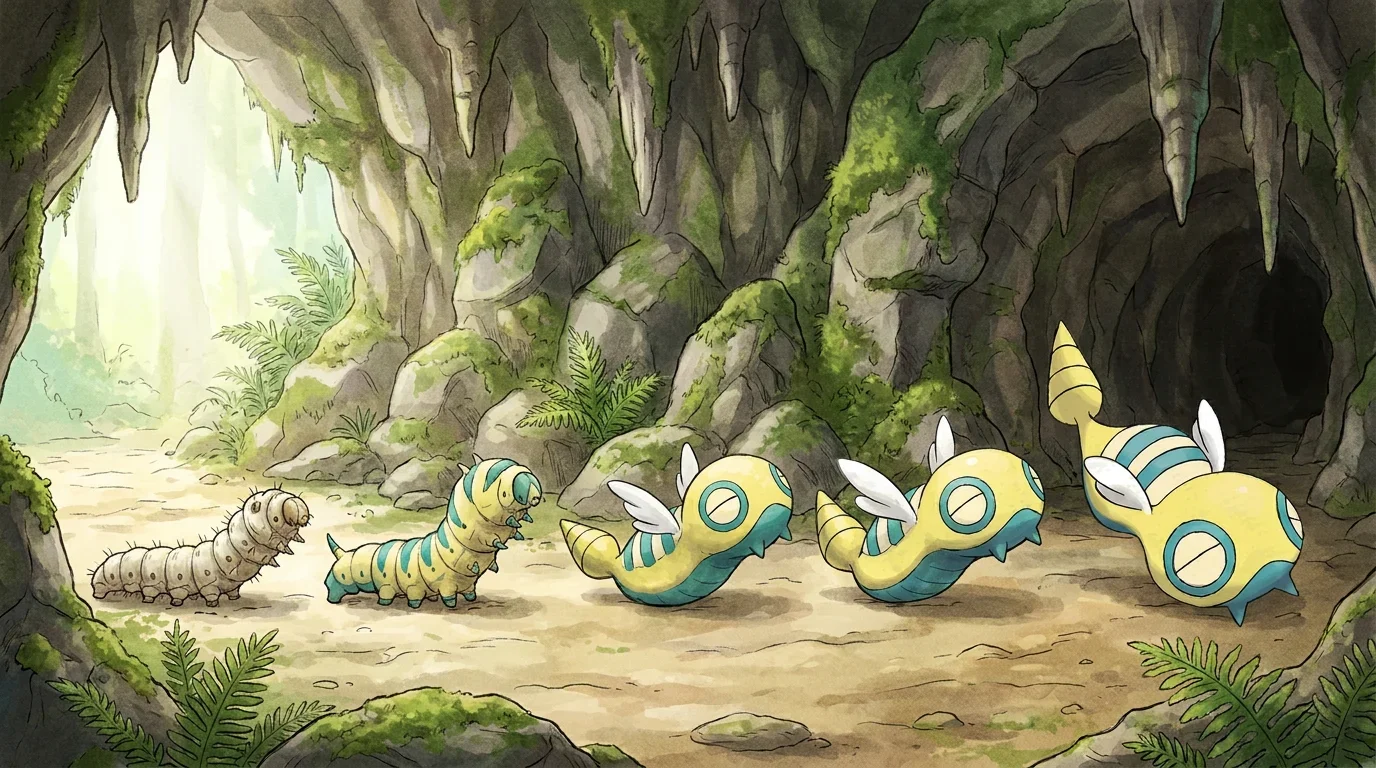
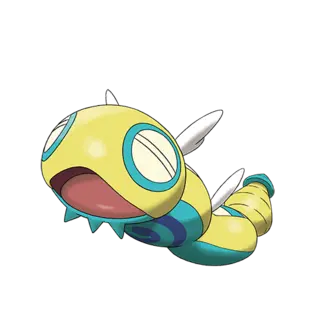
Dunsparce is the Land Snake Pokemon, and it is here because of its larva look. Given its larviform appearance, horn-like tail and ring-circled eyes that resemble the eyespots of some species, it may draw inspiration from sphinx moth caterpillars, which have a history of being mistaken for the Tsuchinoko. The Tsuchinoko is the snake-like cryptid of Japan that Dunsparce is mainly based on.
It may also nod to the Nozuchi, a large caterpillar-like creature thought to be the same thing as the Tsuchinoko. Its nests are mazes of tunnels, and it never gets lost because it can tell where it is by the scent of the dirt. (We have been mistaken for a coat rack, so we sympathize.)
#265
Wurmple
#265
Type
Bug
Category
Worm Pokémon
National Dex
#0265
Debut
Gen III
Base stat total
195
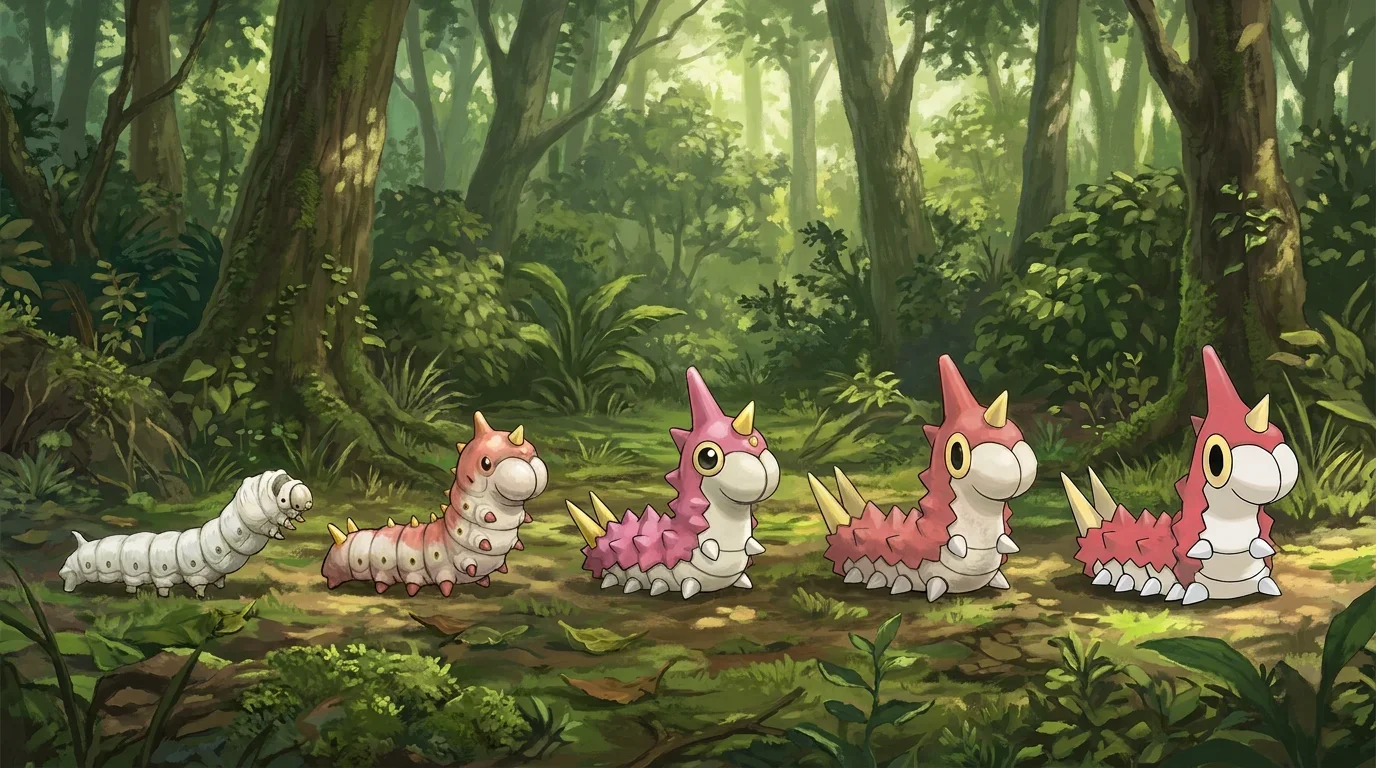
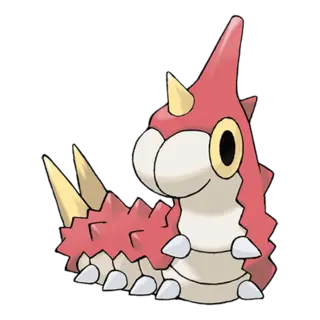
Wurmple, the Worm Pokemon, is based on a caterpillar or a mix of them, such as the puss moth and the pipevine swallowtail.
You cannot tell from its appearance which form it will take. We make bigger choices with less information. It becomes either Silcoon, which leads to Beautifly, or Cascoon, which leads to Dustox.
#267
Beautifly
#267
Type
BugFlying
Category
Butterfly Pokémon
National Dex
#0267
Debut
Gen III
Base stat total
395
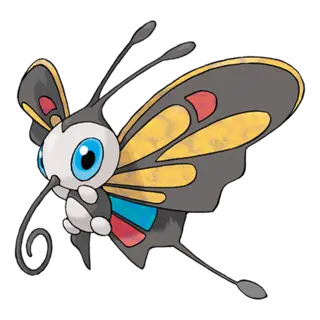
Beautifly, the Butterfly Pokemon, is based on a swallowtail butterfly, especially the common yellow swallowtail, because of the shape and colors of its wings. Its orange-yellow and black colors bring the monarch butterfly to mind. Its habit of piercing prey with its proboscis is similar to a vampire moth or a mosquito.
It is colorful and incredibly beautiful but also greedy, and it will chase away Combee as they try to gather nectar to keep its favorite food to itself. We can manage petty on a good day, but not gorgeous. Its Swarm ability powers up its Bug moves to 1.5× when its HP drops to a third or less.
#269
Dustox
#269
Type
BugPoison
Category
Poison Moth Pokémon
National Dex
#0269
Debut
Gen III
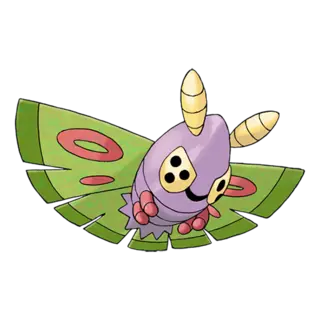
Base stat total
385
Dustox, the Poison Moth Pokemon, is based on the Japanese luna moth, also called the Japanese moon moth, because of its green wings, its nocturnal habits and its ability to learn Moonlight. Its Poison type may come from butterflies and moths that keep toxic chemicals in their bodies from the plants they ate as larvae, and its Shiny colors resemble the Japanese silk moth.
It is drawn to bonfires on dark nights, and it is hard to chase away from settlements because of the highly toxic scales it scatters. (We know the type of neighbor who shows up for the bonfire and will not leave.)
#412
Burmy
#412
Type
Bug
Category
Bagworm Pokémon
National Dex
#0412
Debut
Gen IV
Base stat total
224
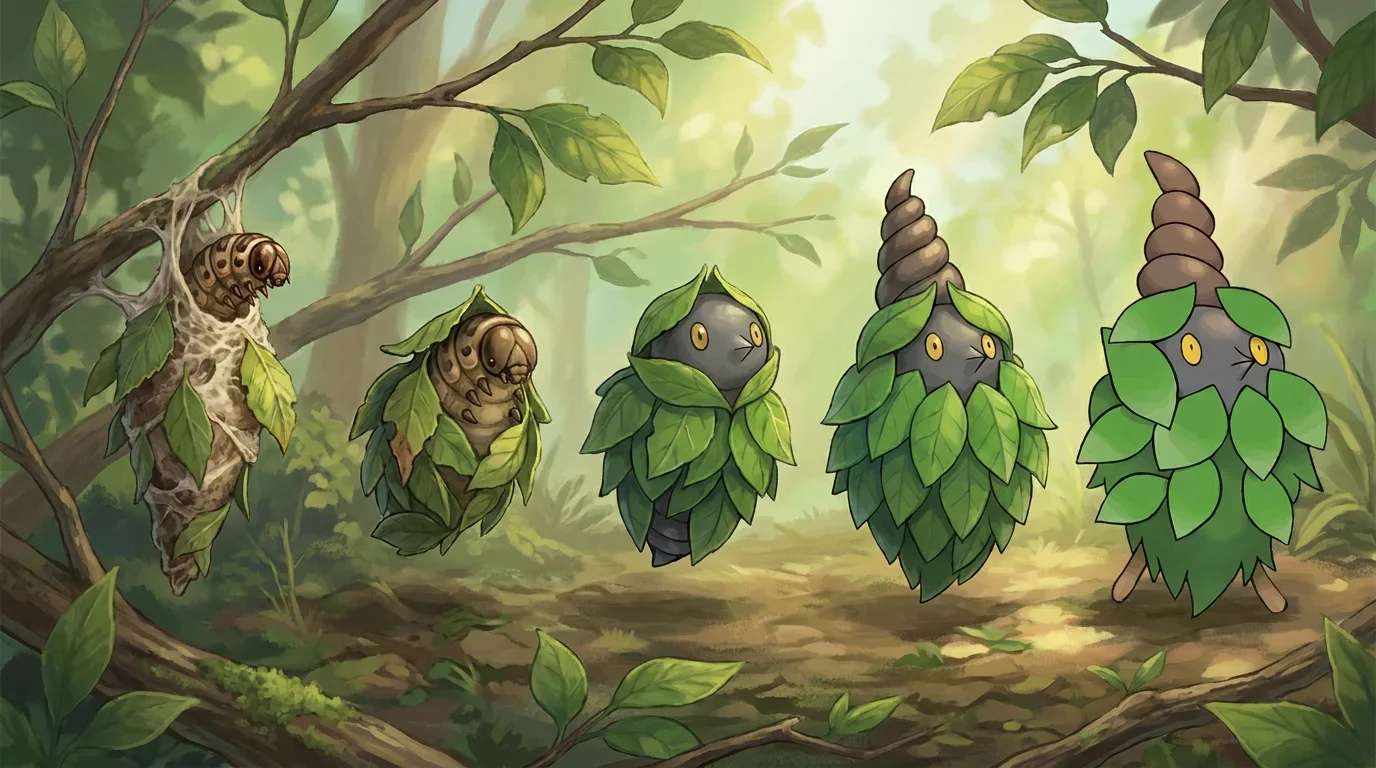
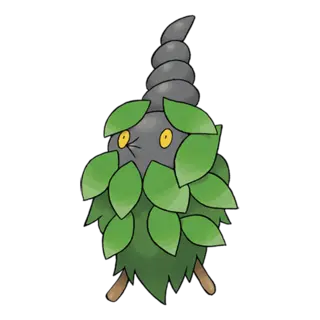
Burmy, the Bagworm Pokemon, is based on a bag moth caterpillar, which builds a mobile shelter out of silk and whatever is around it. Its evolution follows real bag moths: males become flying moths, as Burmy turns into Mothim, while females stay larva-like and bag-bound, as Burmy turns into Wormadam.
Its Plant Cloak resembles a sauna whisk and may nod to the Bannik, a Slavic bathhouse spirit said to look like a tiny old man wearing nothing but a beard full of leaves and twigs. Its Trash Cloak appears to be made of fiberglass insulation. It repairs any damage to its cloak with whatever is close at hand, and the Pokemon inside is scrawny and vulnerable to the cold. We have considered wearing the insulation ourselves. It stands 0.2 m tall.
#540
Sewaddle
#540
Type
BugGrass
Category
Sewing Pokémon
National Dex
#0540
Debut
Gen V
Base stat total
310
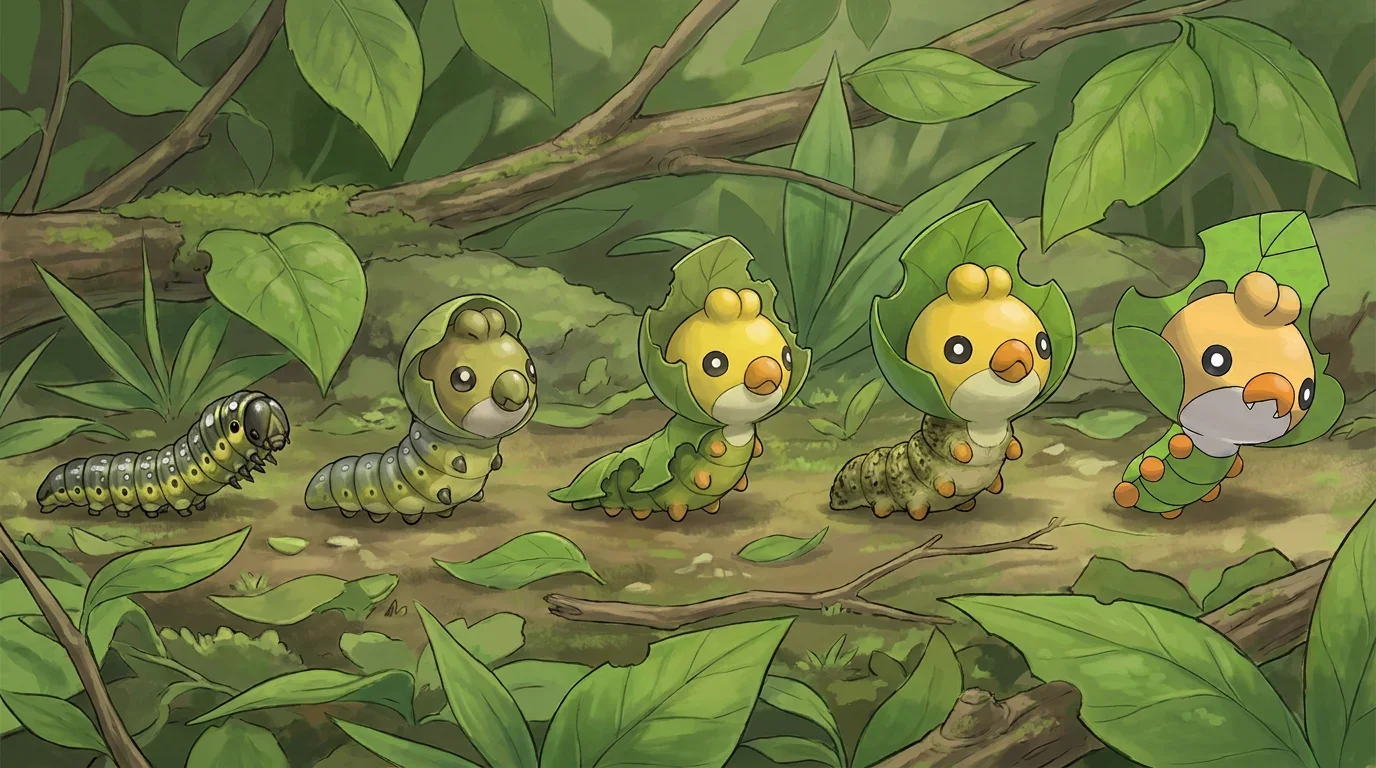
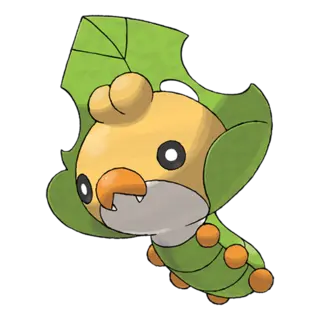
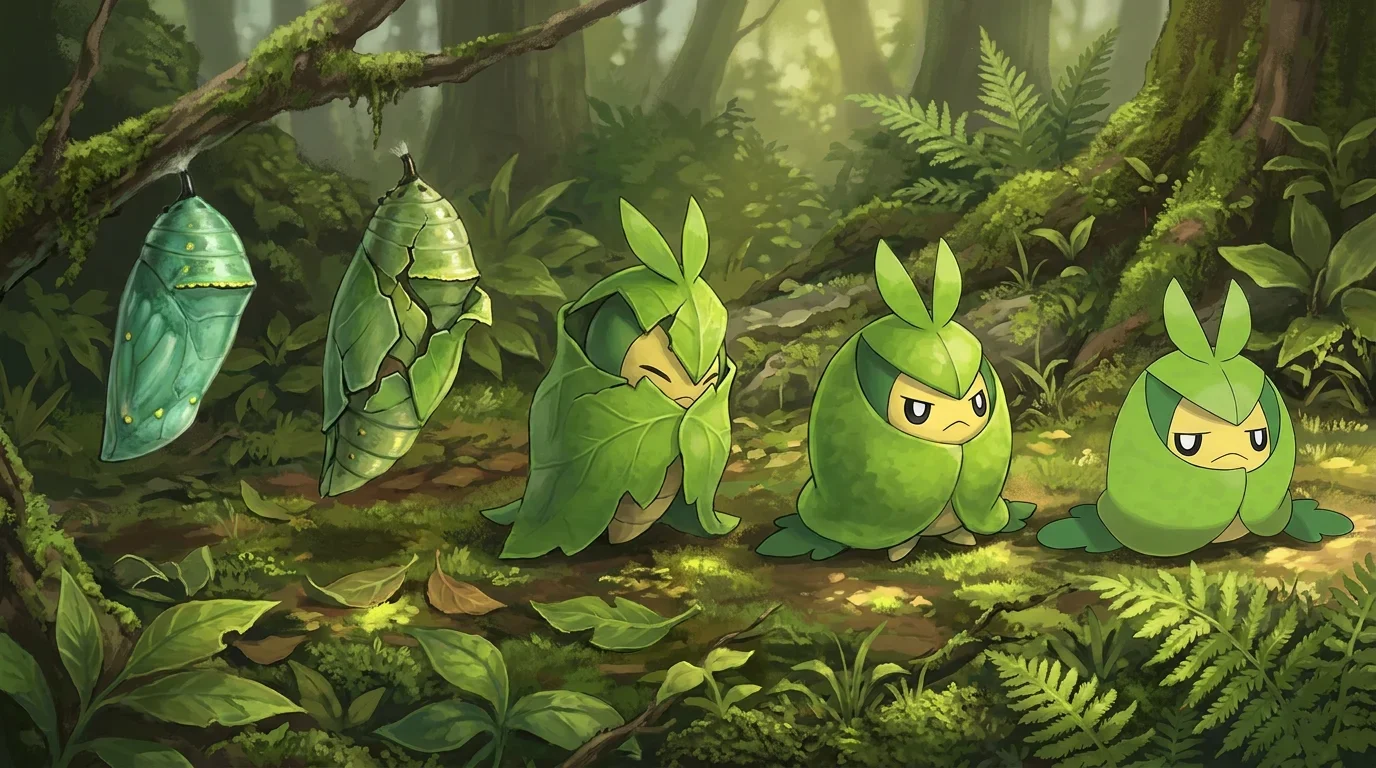
Sewaddle, the Sewing Pokemon, is based on the caterpillar of the silver-spotted skipper, which makes silk and folds leaves over itself for shelter. It also shares traits with weaver ant larvae, whose silk is used to build nests. The large leaf around its head could stand for a baby's bonnet.
It makes its own clothes out of leaves, which makes it a popular mascot for fashion designers. We cannot get a jacket to fit, never mind sew one. It weighs 2.5 kg in total. Its Chlorophyll ability doubles its Speed in strong sunlight.
#541
Swadloon
#541
Type
BugGrass
Category
Leaf-Wrapped Pokémon
National Dex
#0541
Debut
Gen V
Base stat total
380
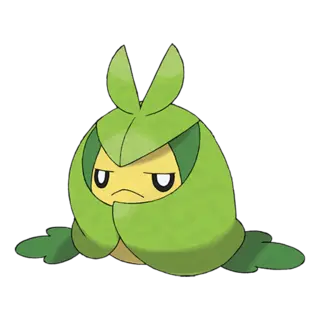
Swadloon, the Leaf-Wrapped Pokemon, is based on a leaf-rolling insect pupa, such as a sawfly caterpillar or the prepupa of the silver-spotted skipper. The way it hides in its blanket bears some resemblance to how Japanese media often show people with hikikomori syndrome.
It protects itself from the cold by wrapping up in leaves, and it stays on the move, eating leaves in forests. (We have never felt more seen by a bug.)
#664
Scatterbug
#664
Type
Bug
Category
Scatterdust Pokémon
National Dex
#0664
Debut
Gen VI
Base stat total
200
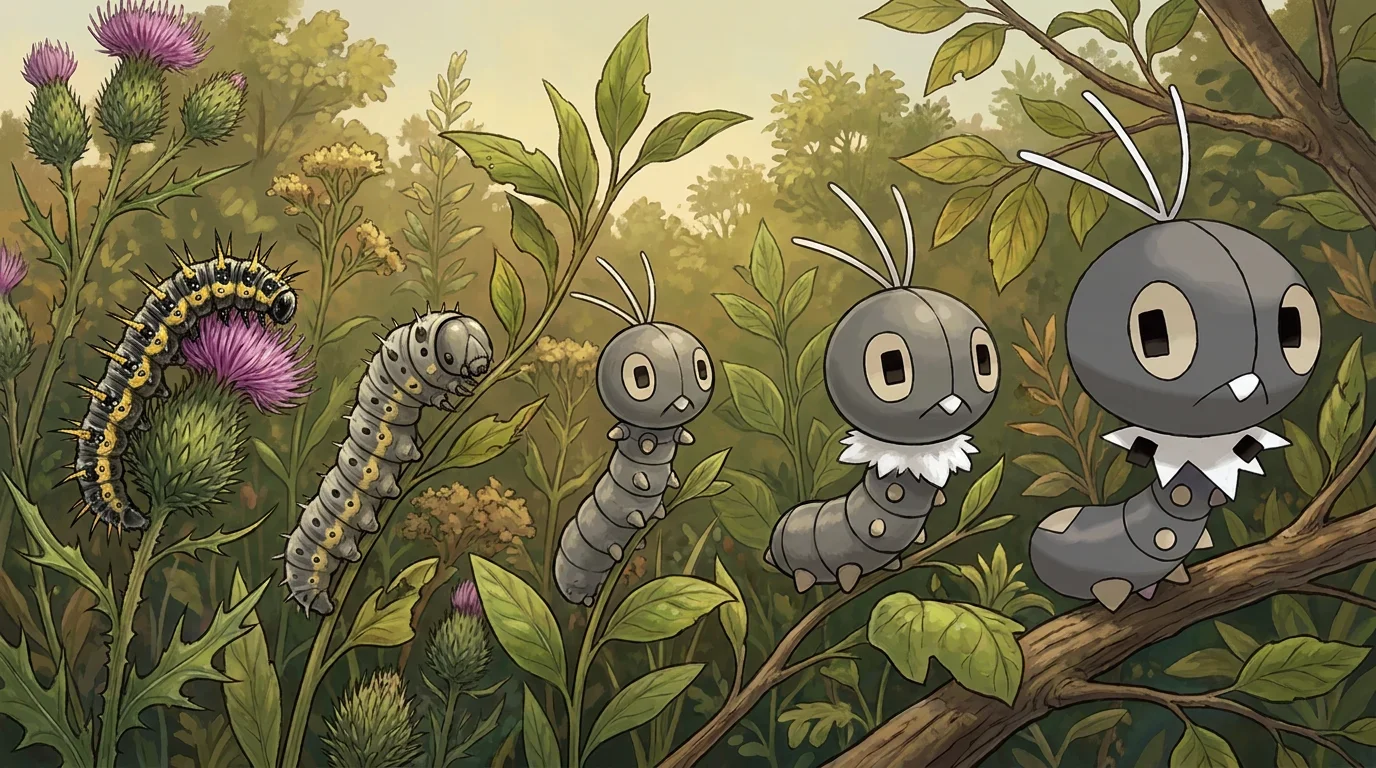
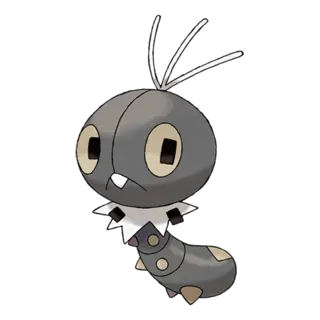
Scatterbug, the Scatterdust Pokemon, is based on a caterpillar, either the larva of carpet moths, which eat through fabric and make cocoons from it, or the silk moth, whose larvae produce large amounts of silk. The square powder on its body might be based on confetti or screen pixels.
The powder that covers its body regulates its temperature, which lets it live in any region or climate. Our flat cannot manage that even with a radiator. That climate range is the setup for its final form. Like Sewaddle, it weighs 2.5 kg.
#666
Vivillon
#666
Type
BugFlying
Category
Scale Pokémon
National Dex
#0666
Debut
Gen VI
Base stat total
411
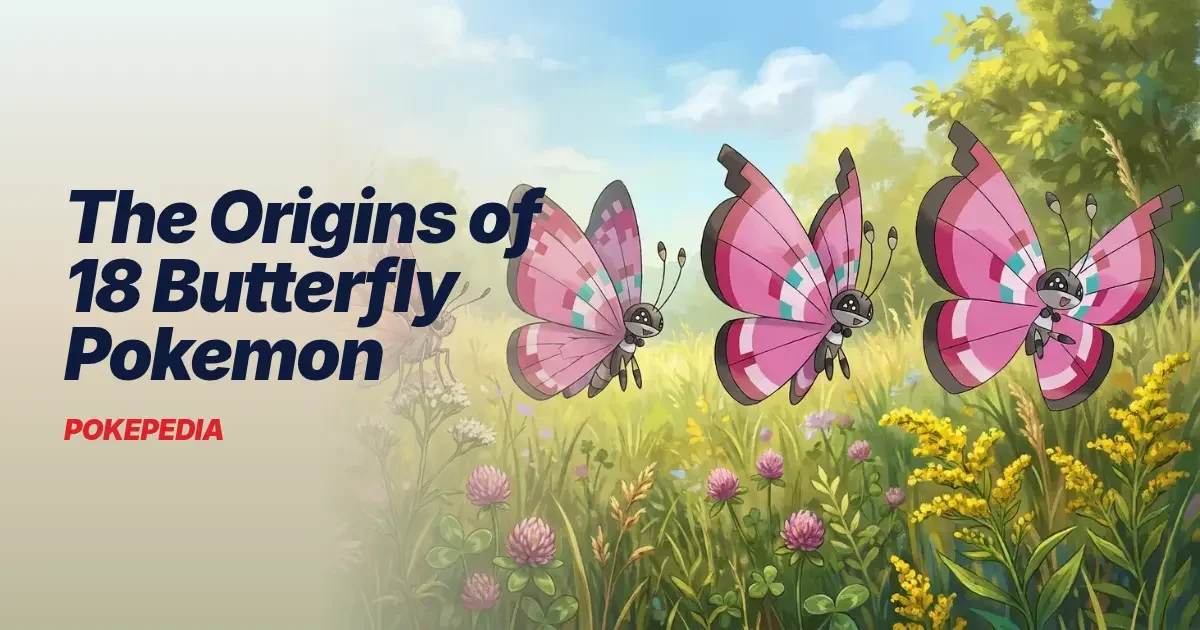
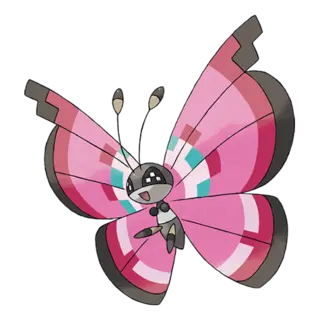
Vivillon, the Scale Pokemon, comes in many varieties that depend on the player's location in the real world. That may come from Papilio dardanus, a swallowtail with over 14 known morphs, each of which mimics a different bad-tasting species of butterfly. Its block-like wing patterns may be based on pixel art, and its Modern Pattern may be based on the De Stijl art movement.
The patterns on its wings depend on the climate and topography of its habitat, and it scatters colorful scales. We have collected exactly none of those wing patterns.
#870
Falinks
#870
Type
Fighting
Category
Formation Pokémon
National Dex
#0870
Debut
Gen VIII
Base stat total
470
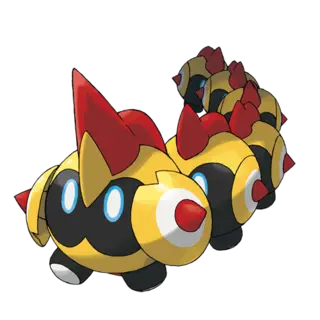
Falinks, the Formation Pokemon, is mostly a squad of soldiers. It may be inspired by a phalanx formation, with heads that resemble the Corinthian helmets of Ancient Greek hoplites, and by the Legio IX Hispana, the Roman legion that disappeared in Britain around 120 AD. Its place here comes from its vaguely insectoid look in column formation, which may be a visual pun on an admiral caterpillar or a reference to the pine processionary.
The six of them work together as one Pokemon, and they constantly change their formation as they fight. We cannot get two of us to agree on lunch, let alone six. It stands 3 m tall and weighs 62 kg. Its Battle Armor ability protects it from critical hits (lucky hits that deal extra damage).
#872
Snom
#872
Type
IceBug
Category
Worm Pokémon
National Dex
#0872
Debut
Gen VIII
Base stat total
185
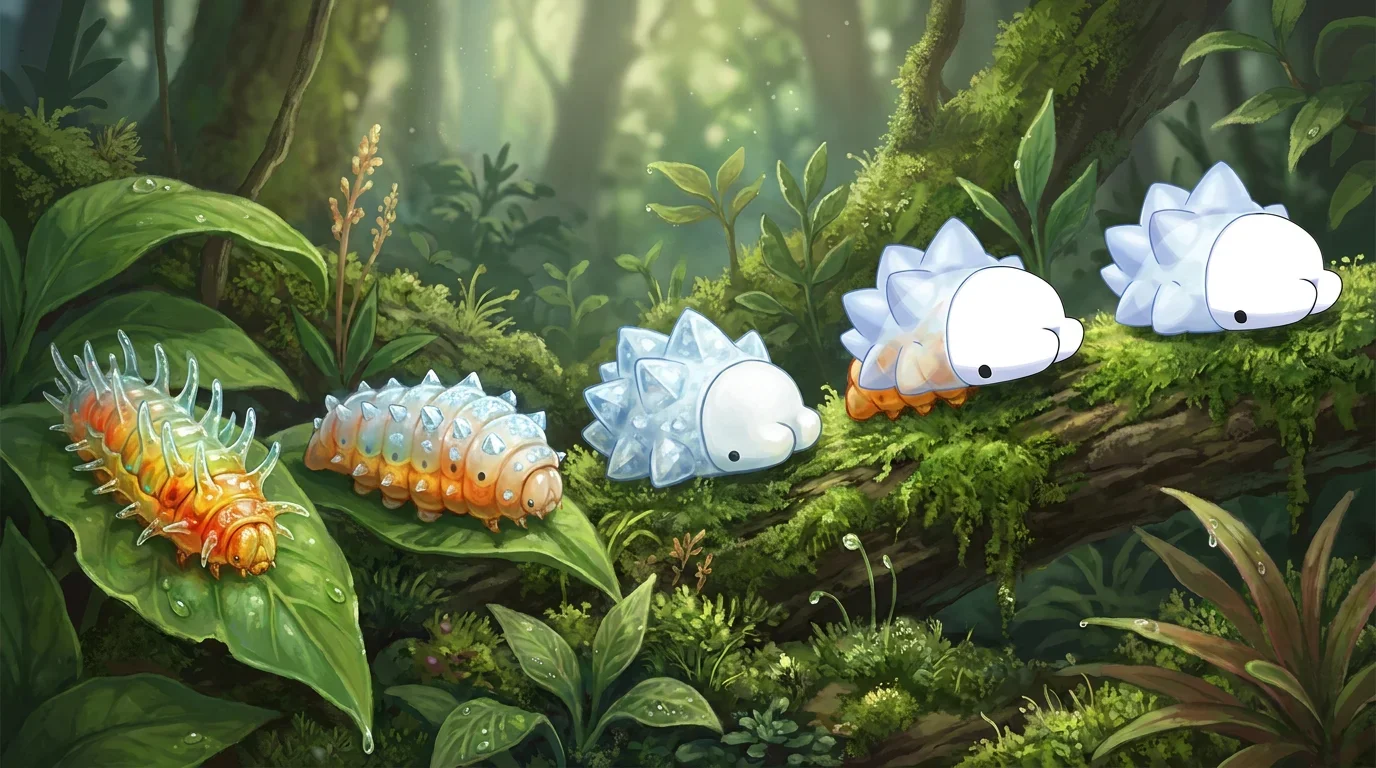
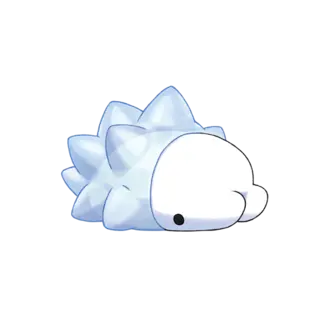
Snom, the Worm Pokemon, may be based on a jewel caterpillar. It may also draw on the larvae of the Gynaephora genus of alpine or Arctic moths, such as the arctic woolly bear moth, which can survive temperatures as low as −70 °C by going dormant.
It eats snow that piles up on the ground, and the more snow it eats, the bigger the spikes on its back grow. We were told that eating snow would not make us grow spikes. Its Ice Scales hidden ability halves the damage it takes from special moves (a hidden ability is a rarer second ability a species can have).
#873
Frosmoth
#873
Type
IceBug
Category
Frost Moth Pokémon
National Dex
#0873
Debut
Gen VIII
Base stat total
475
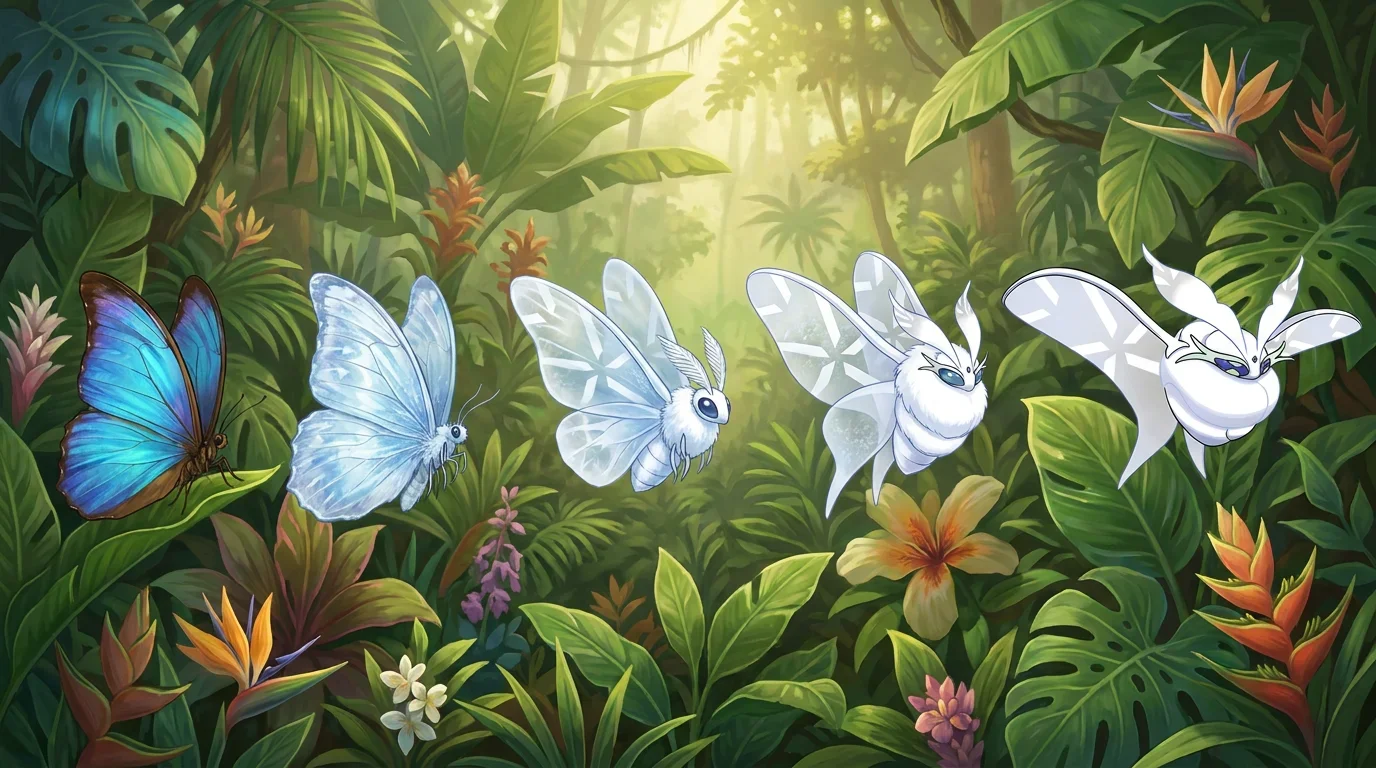
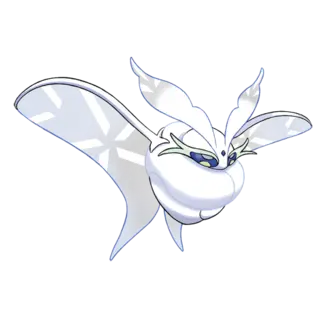
Frosmoth, the Frost Moth Pokemon, is based on a giant silk moth, going by its body shape and feathered antennae, and on the Ourapteryx genus, going by its color and tailed wings. Its Ice type seems to come from O. nivea, the snow swallowtail moth. It may also draw on Morana, a Slavic goddess of winter and death, and on Slavic beliefs that white moths are omens of death.
It shows no mercy to anyone who desecrates fields and mountains, and it flies around on its icy wings causing a blizzard to chase offenders away. Its typing gives it a quadruple weakness to Fire, which may refer to the phrase "like moths to a flame". (We see the joke in an ice moth that is four times weak to fire.)
#982
Dudunsparce
#982
Type
Normal
Category
Land Snake Pokémon
National Dex
#0982
Debut
Gen IX
Base stat total
520
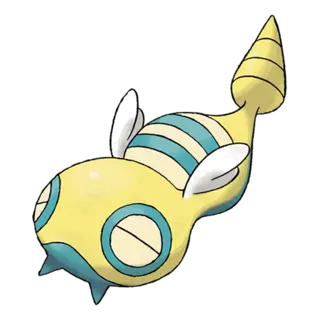
Dudunsparce has its butterfly link in its roots: like Dunsparce, it may draw on snake-mimicking sphinx moth caterpillars, and on the Nozuchi, a large caterpillar-like creature sometimes said to be the same as the Tsuchinoko. Its segmented body is similar to the ultrabithorax mutation in the fruit fly, which grows a second thorax directly behind the first.
It drives enemies out of its nest by filling its long, narrow lungs with air and releasing it in an intense blast. We have tried winning arguments by exhaling, with mixed results. It stands 3.6 m tall.
15 of the 18 Butterfly Pokemon Are Bug Types
Fifteen of the 18 are Bug types, and the same 15 are in the Bug egg group. The other three are on this list only because of a caterpillar-like body, and they are also the only ones outside the Bug egg group.
Butterfly Pokemon FAQ
How many butterfly Pokemon are there?
There are 18 butterfly Pokemon. Only Butterfree and Beautifly have the Butterfly Pokemon category; the others are moths, cocoons and caterpillars.
What is the strongest butterfly Pokemon?
Dudunsparce has the highest base stat total on this list at 520. Among the true butterflies and moths, Frosmoth leads at 475.
Is Vivillon a butterfly?
Yes. Vivillon is based on Papilio dardanus, a swallowtail butterfly with over 14 known morphs.
Is Venomoth a butterfly?
No. Venomoth is the Poison Moth Pokemon, based on swallowtail moths, though its Shiny coloration is similar to a blue morpho butterfly.
What does Caterpie evolve into?
Caterpie evolves into Metapod at level 7, and Metapod evolves into Butterfree at level 10.