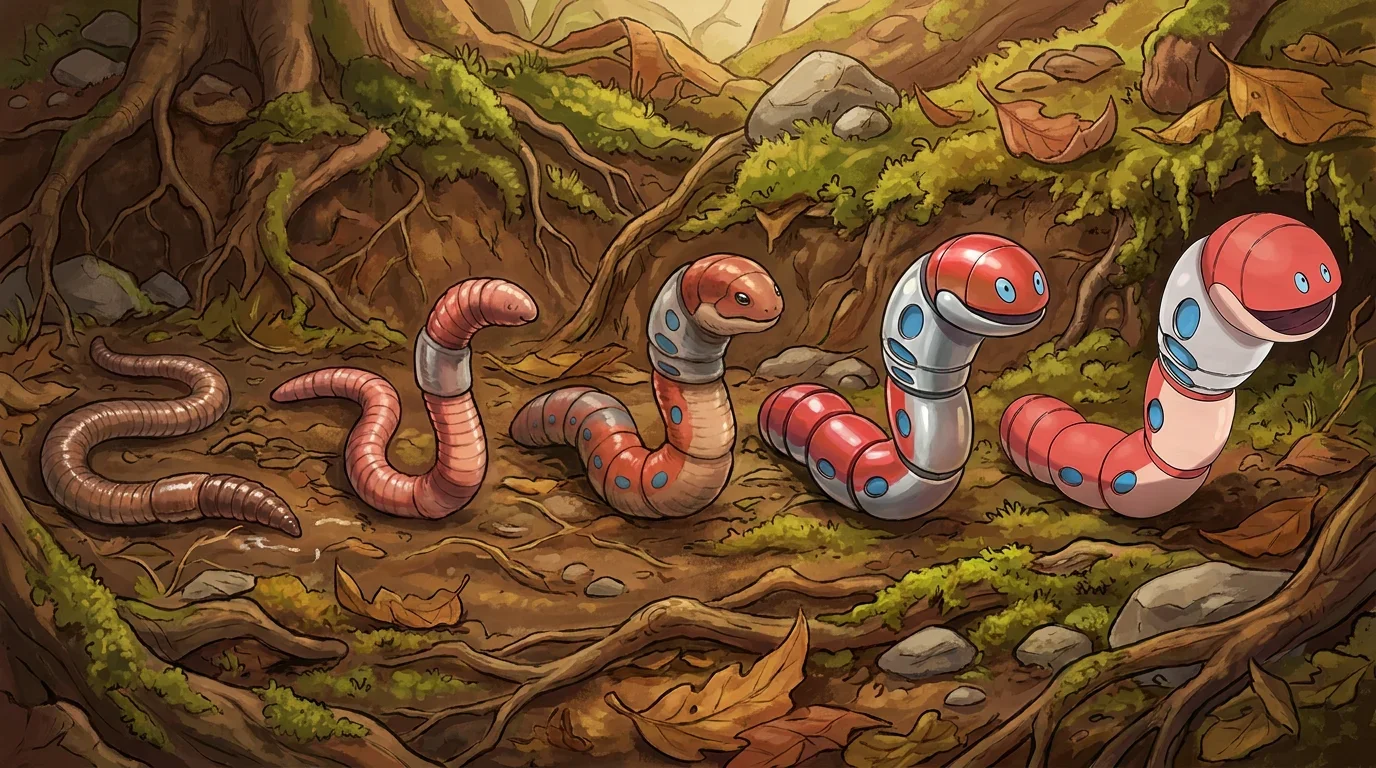
Worm Pokemon are mostly insect larvae wearing the name, and once you know that, the designs make a lot more sense. Three of them are called the Worm Pokemon, and all three are based on caterpillars. The Pokemon that borrow from worms are a different crowd, big tunnelers made of rock and metal that live underground the way an earthworm does.
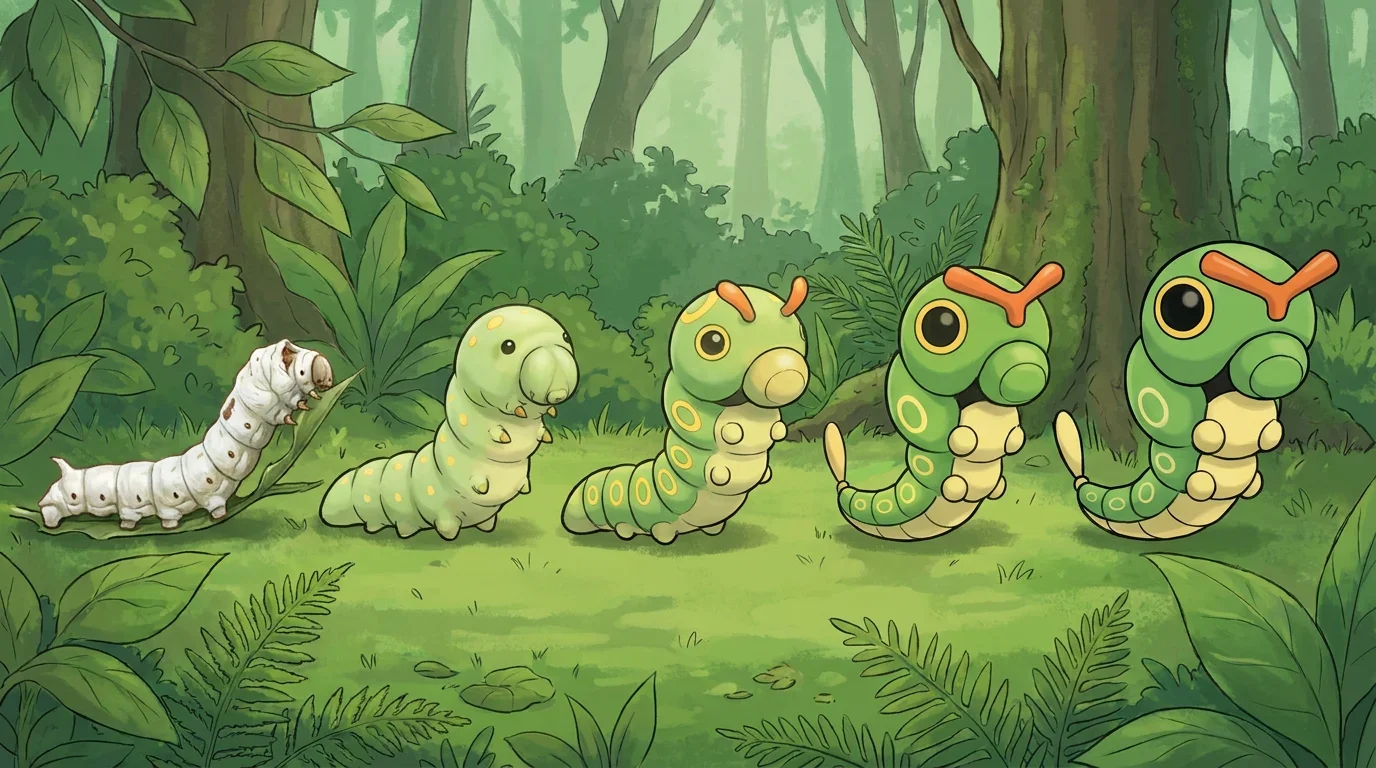
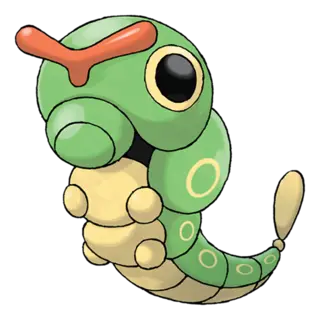
Caterpie, the Worm Pokemon, is based on a caterpillar, perhaps one of the swallowtails such as the Asian or spicebush swallowtail. Those caterpillars share its green body and yellow eyespots, plus a red osmeterium that these species use to mimic snakes. Its tail tip also resembles the horn that many hawk moth larvae have on their rear ends.
Caterpie stands 0.3 m tall, so the snake act has a lot of ground to cover. Its Pokedex entry, the encyclopedia built into the games, notes short feet tipped with suction pads that let it climb slopes and walls without tiring.
#013
Weedle
#013
Type
BugPoison
Category
Hairy Bug Pokémon
National Dex
#0013
Debut
Gen I
Base stat total
195
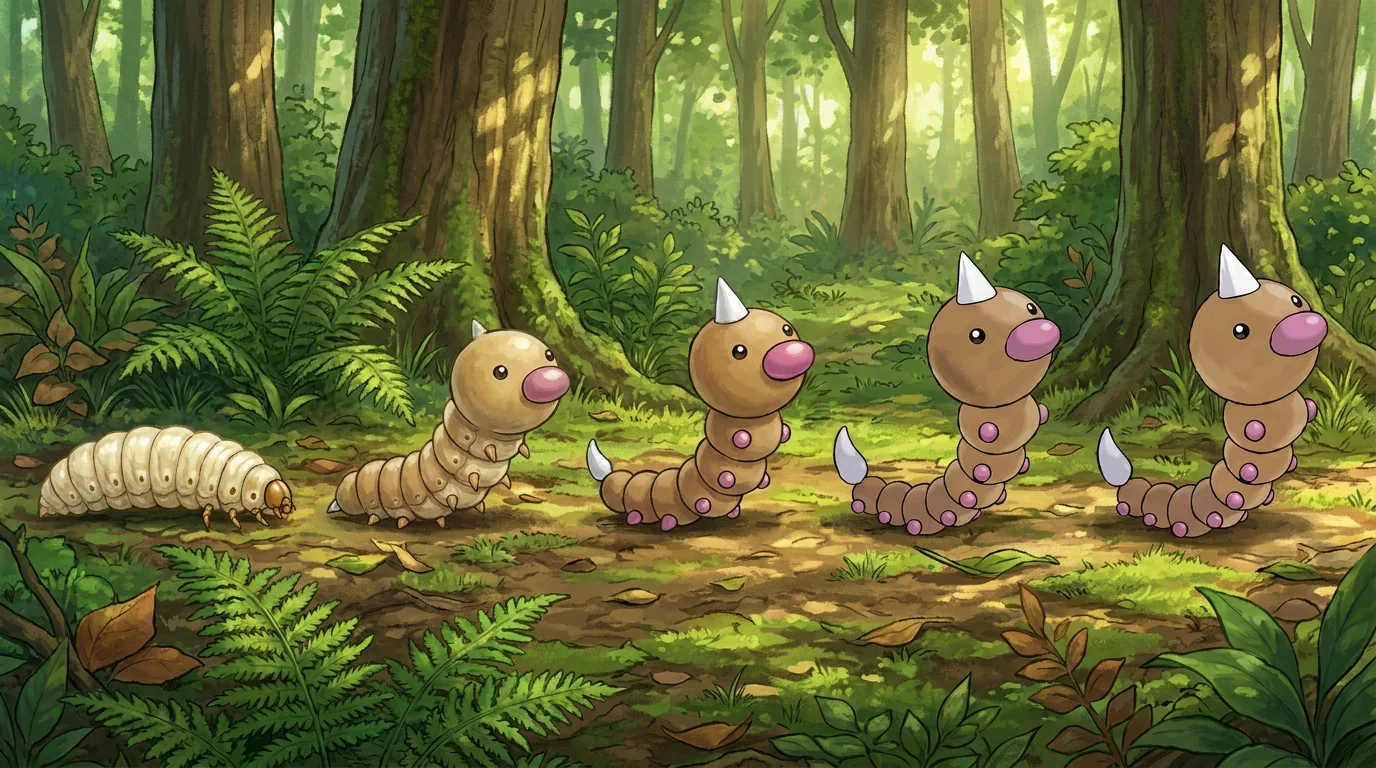
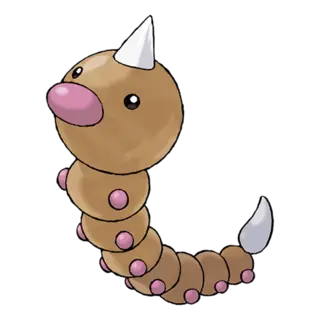
Weedle, the Hairy Bug Pokemon, is based on a wasp or bee larva and on needles or stings. As its Japanese category suggests, it may also be based on stinging caterpillars, and possibly on a waxworm.
The sting is easy to spot, because it carries a sharp stinger on its head while it hides in grass and bushes eating leaves. It has some protection of its own as well. One of its abilities, the passive traits a Pokemon brings into battle, is Shield Dust, which blocks the extra effects of moves, meaning the side effects some attacks carry on top of their damage.
#095
Onix
#095
Type
RockGround
Category
Rock Snake Pokémon
National Dex
#0095
Debut
Gen I
Base stat total
385
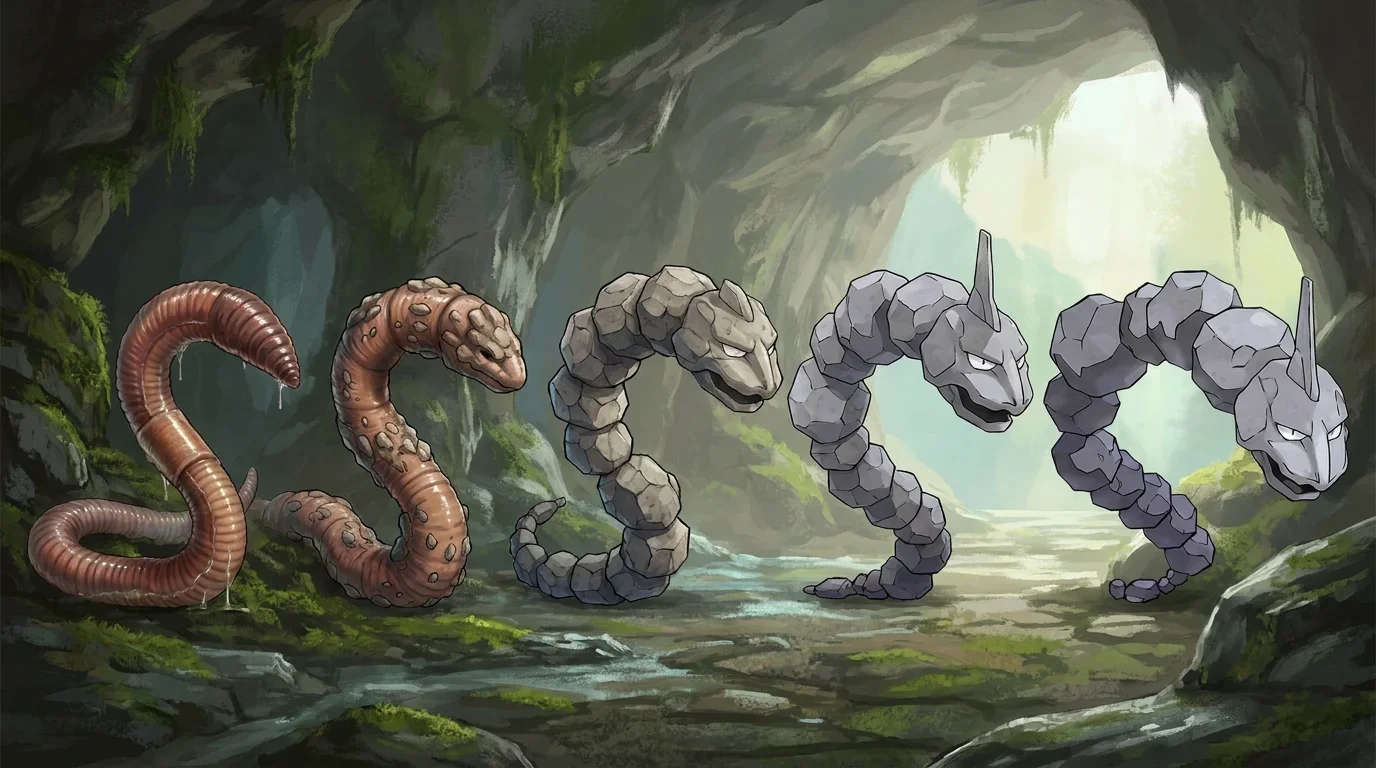
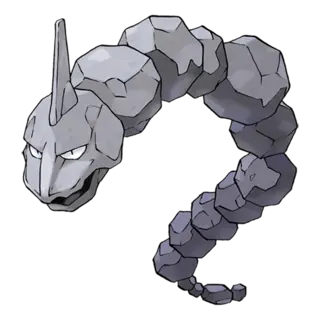
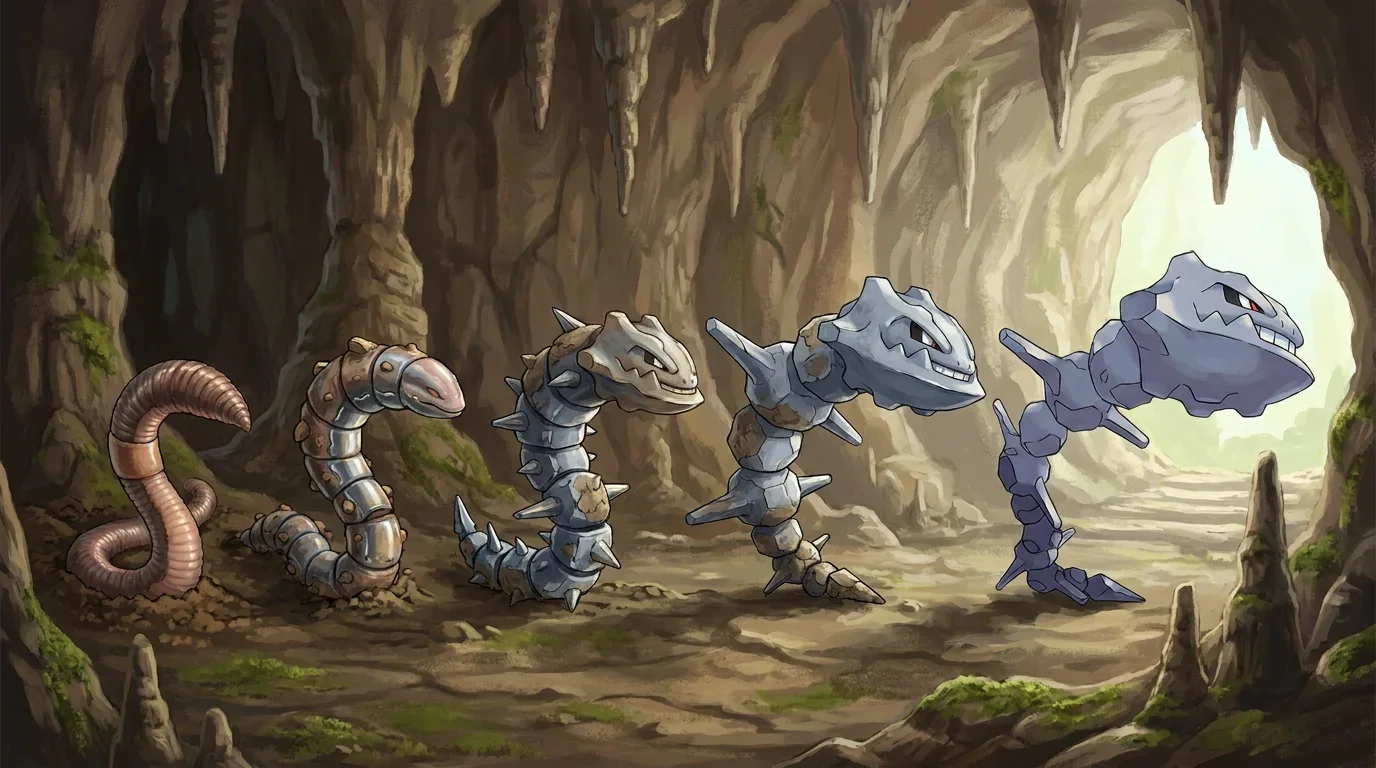
Onix is the Rock Snake Pokemon, though its design may be a visual pun on a rock python or an earthworm. It lives underground and swallows massive amounts of soil while it tunnels, which is much closer to an earthworm's life than a snake's. Its great size could have been inspired by the Mongolian death worm, an earthworm-like creature said to grow to a great length.
Onix is a chain of immense stones that looks like a giant serpent, and the earth shakes as it burrows deep underground, feeding on boulders on the way. It stands 8.8 m tall. In battle it leans on Defense, the stat that cuts damage from physical attacks, which sits at 160.
#206
Dunsparce
#206
Type
Normal
Category
Land Snake Pokémon
National Dex
#0206
Debut
Gen II
Base stat total
415
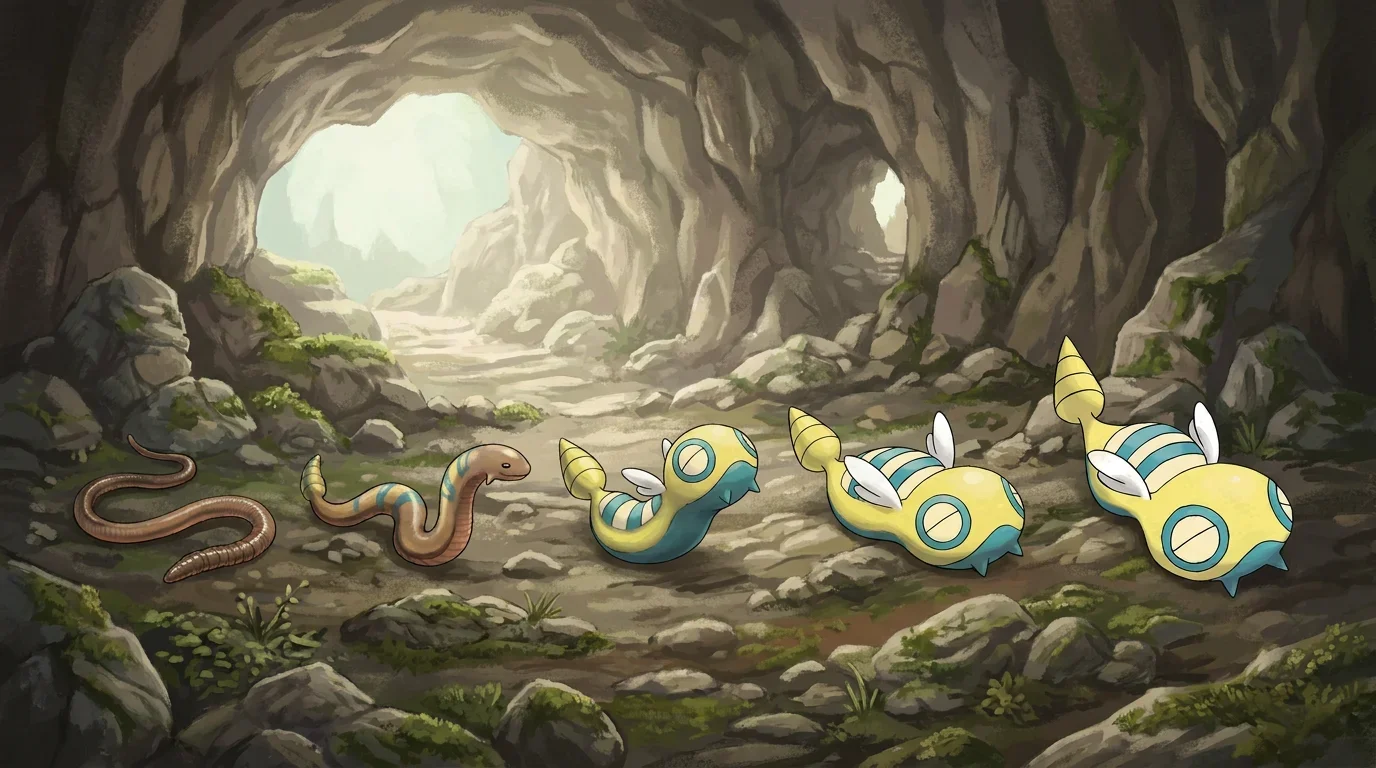
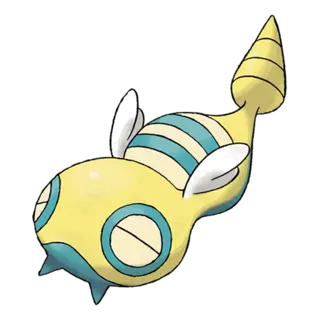
Dunsparce, the Land Snake Pokemon, is based on the Tsuchinoko, a snake-like cryptid of Japan. The Tsuchinoko is said to have a taste for alcohol, and that could explain why Dunsparce's gourd-shaped body seems to nod to a sake bottle. Its habit of burrowing backward is similar to that of snake eels and the thread-gilled worm Cirriformia moorei. Its larva-like shape and horn-like tail could also come from sphinx moth caterpillars, which have a history of being mistaken for the Tsuchinoko.
Underground, Dunsparce nests in mazes of tunnels and never gets lost, because it can tell where it is by the scent of the dirt. Its HP is 100, and HP is the hit points that set how much damage it takes before fainting.
#208
Steelix
#208
Type
SteelGround
Category
Iron Snake Pokémon
National Dex
#0208
Debut
Gen II
Base stat total
510
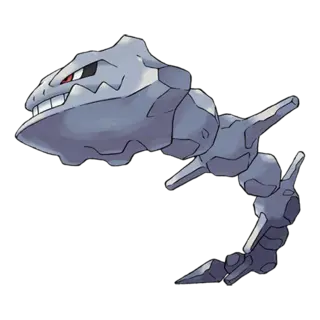
Steelix, the Iron Snake Pokemon, is like Onix a combination of a snake and an earthworm. It may also be based on the bergstutz or stollwurm, a type of dragon that has been presented as burrowing. Its silver coloring and its gold Shiny coloring, the rare alternate color a Pokemon can appear in, may reference its debut games, Pokemon Gold and Silver. The blue hexagonal patterns on its body resemble Liesegang rings, particularly those found in onyx, and its Mega Evolution, a stronger temporary form some Pokemon take in battle, has a crystalline body that may reference graphite turning into diamonds from compression.
Onix evolves into Steelix, changing into this new form, when it's traded to another player's game while holding a Metal Coat. The body it gets is coated with steel powder and so hard that not even diamond can leave so much as a scratch. It stands 9.2 m tall and weighs 400 kg. Our phone screen has never managed anything like that.
#265
Wurmple
#265
Type
Bug
Category
Worm Pokémon
National Dex
#0265
Debut
Gen III
Base stat total
195
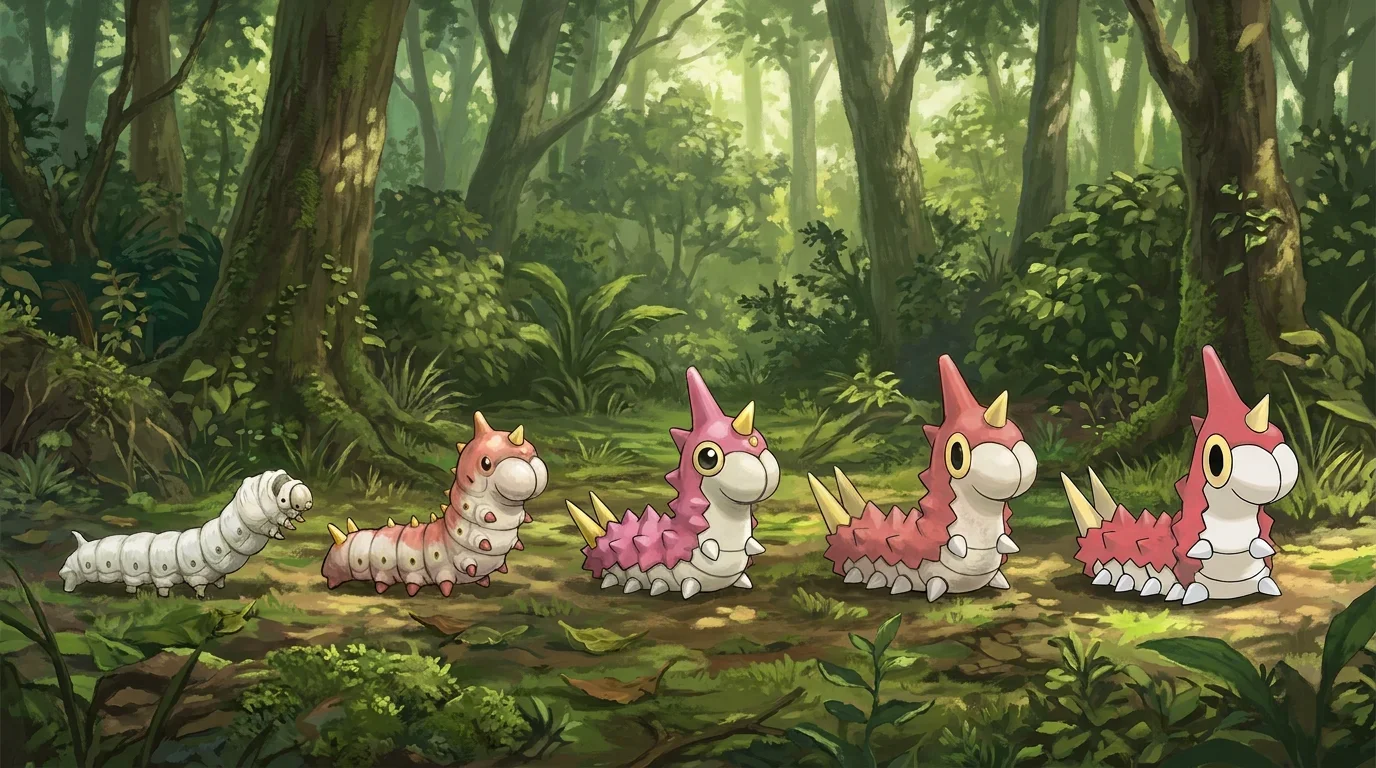
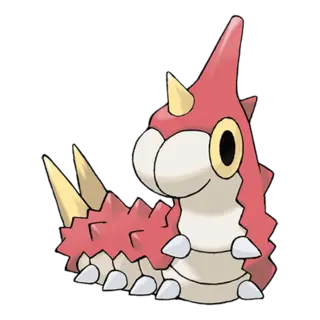
Wurmple, the Worm Pokemon, is based on a caterpillar or a mix of them, such as those of the puss moth and the pipevine swallowtail. Ken Sugimori made it look like Caterpie on purpose, so it could fill Caterpie's role in Hoenn as a simple line that teaches new players how evolution works.
It likes sap and is abundant in the wild, but you can't tell from a Wurmple's appearance which form it will take when it evolves. It doesn't get anywhere quickly either, with a Speed of 20, the stat that decides who moves first. (We also had no idea what we'd turn into.)
#540
Sewaddle
#540
Type
BugGrass
Category
Sewing Pokémon
National Dex
#0540
Debut
Gen V
Base stat total
310
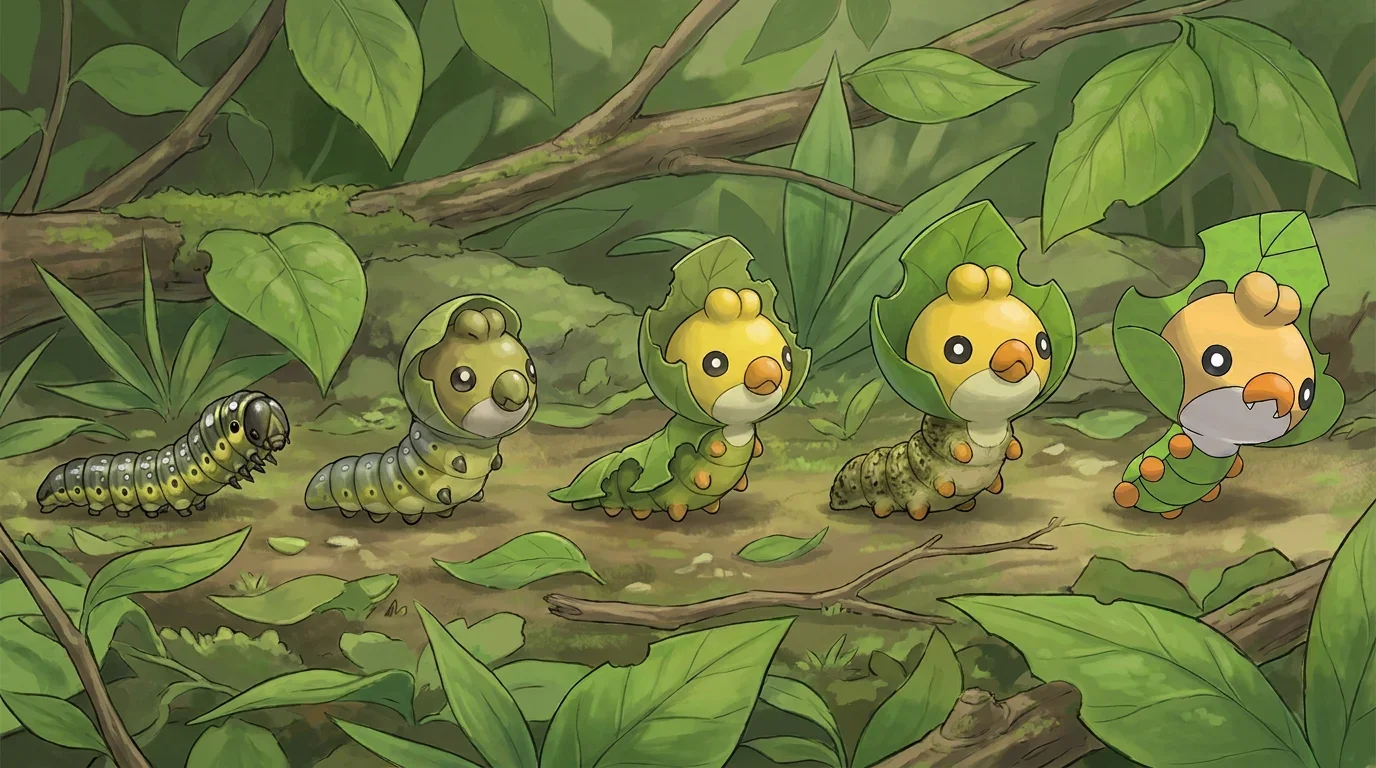
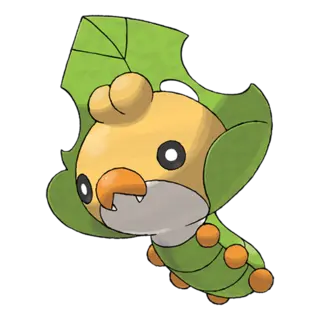
Sewaddle, the Sewing Pokemon, is based on the caterpillar of the silver-spotted skipper, which produces silk and folds leaves over itself for shelter. It also shares some traits with weaver ant larvae, whose silk is used to form nests. The large leaf around its head could represent a baby's bonnet.
That leaf-folding carries straight into its Pokedex entry. It makes its own clothes out of leaves, and that has made it a popular mascot for fashion designers. Sunlight helps it in battle too, since one of its abilities, Chlorophyll, doubles its Speed in strong sunlight.
#636
Larvesta
#636
Type
BugFire
Category
Torch Pokémon
National Dex
#0636
Debut
Gen V
Base stat total
360
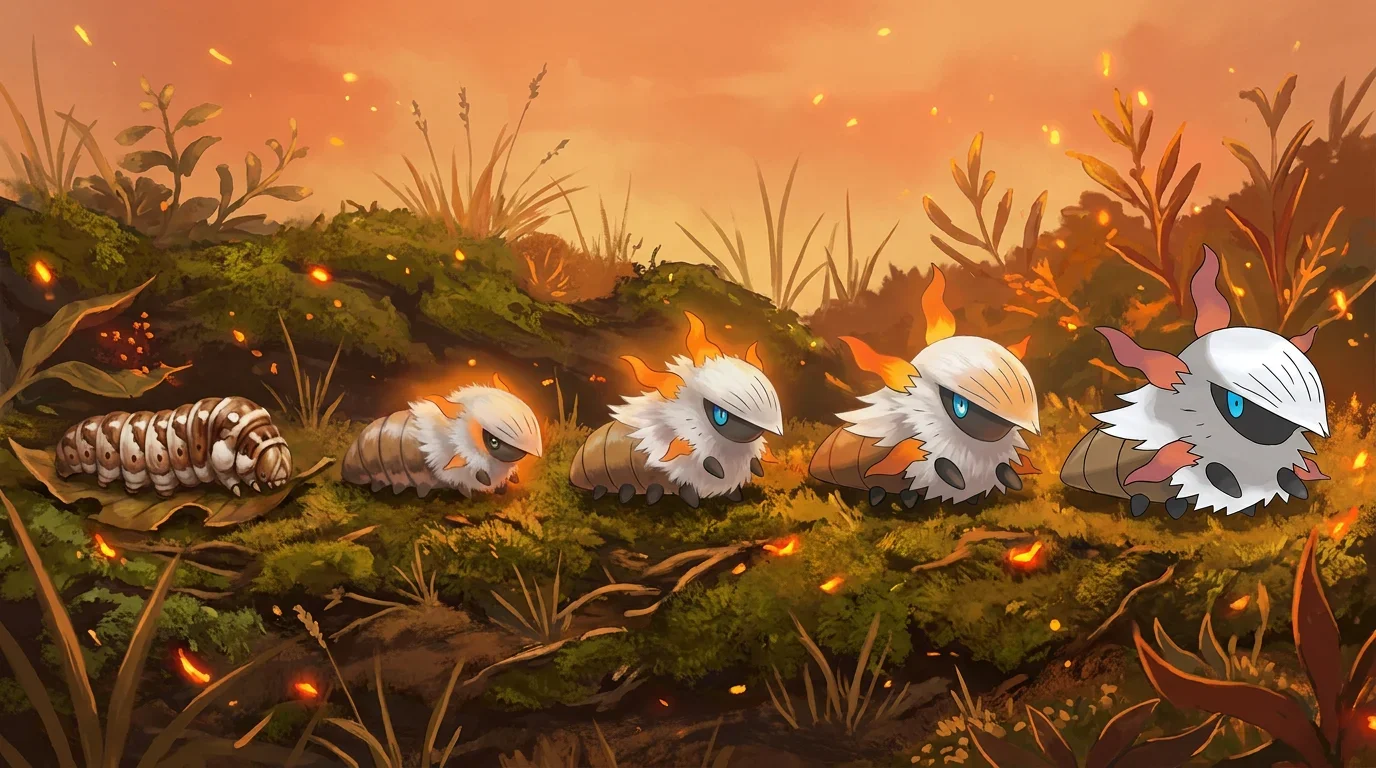
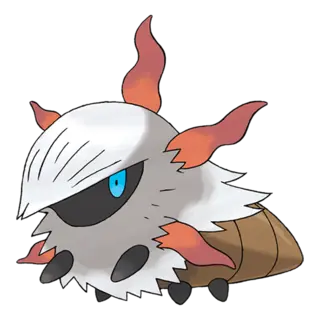
Larvesta, the Torch Pokemon, is based on a moth larva, and its woolly look may be a visual pun on woolly worm, another name for a tiger moth larva. The legend behind it is a lot bigger than the bug. It and Volcarona could echo legends of the phoenix born from a worm, as described in medieval Christian texts, and its lore of falling from the sun may allude to Phaethon, son of the Greek sun god, who fell from his father's solar chariot.
That sun story shows in a body that is warm all over. It spouts fire from the tips of its horns to intimidate predators and scare prey, and its best stat is an Attack of 85, the stat that powers physical moves.
#736
Grubbin
#736
Type
Bug
Category
Larva Pokémon
National Dex
#0736
Debut
Gen VII
Base stat total
300
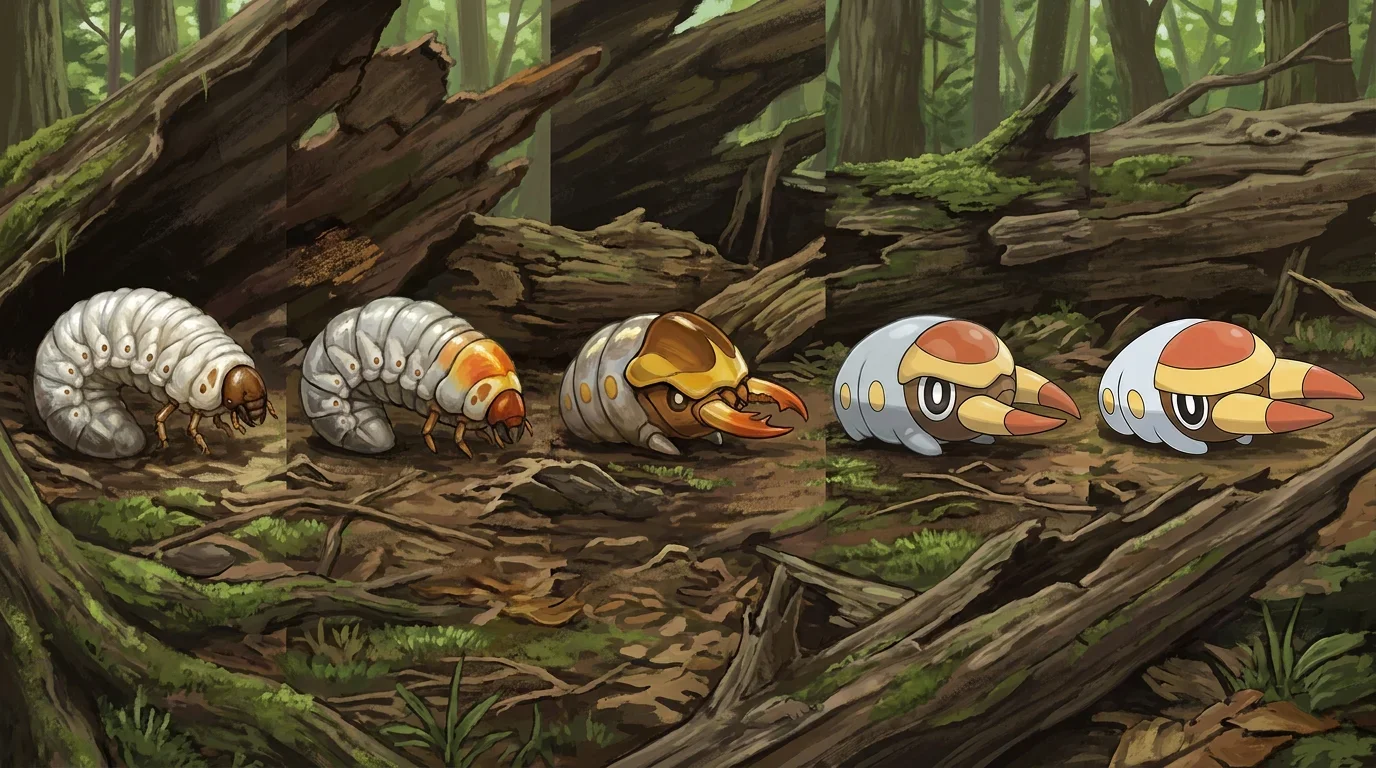
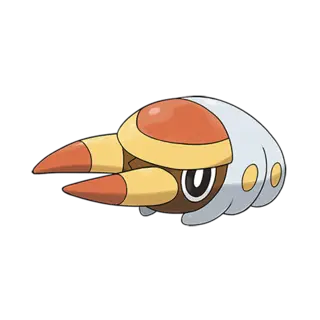
Grubbin, the Larva Pokemon, is based on a larval beetle, also known as a grub. It also resembles a common electrical plug with a pair of prongs, and that idea is backed by its evolution into Charjabug, which gains the Electric type. A type is the element that sets which attacks hit a Pokemon hard and which barely dent it.
Away from the plug, Grubbin behaves like a proper grub. It uses its big jaws to dig nests into the forest floor and loves to feed on sweet tree sap. One of its abilities, Swarm, raises its Bug moves to 1.5× damage once its HP drops to a third or less.
#824
Blipbug
#824
Type
Bug
Category
Larva Pokémon
National Dex
#0824
Debut
Gen VIII
Base stat total
180
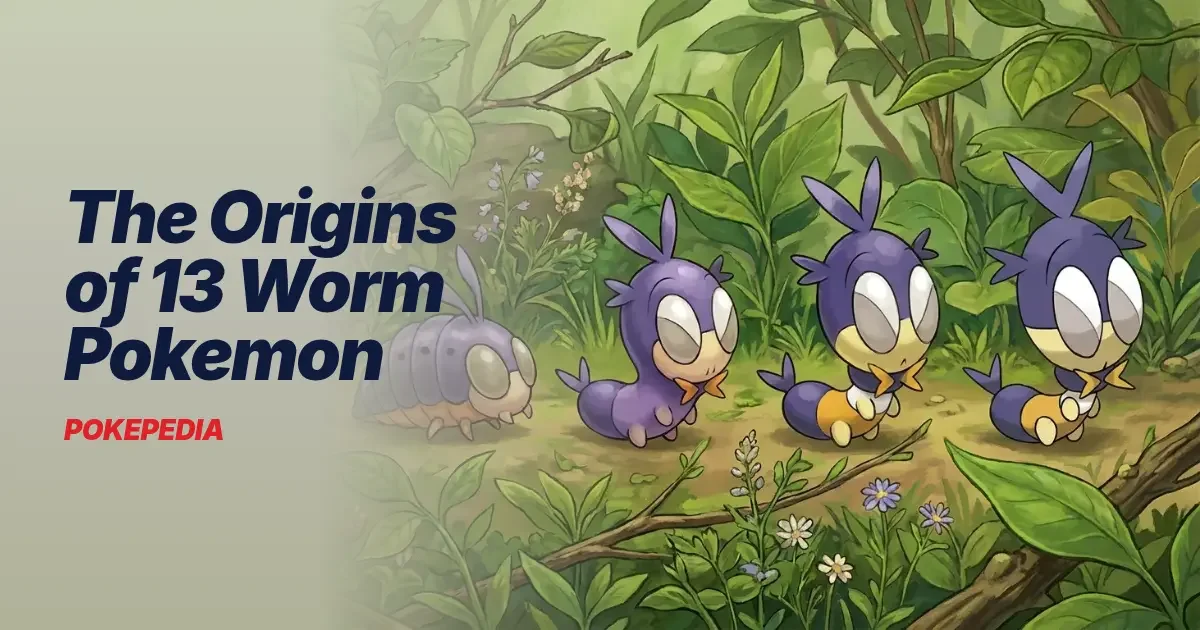
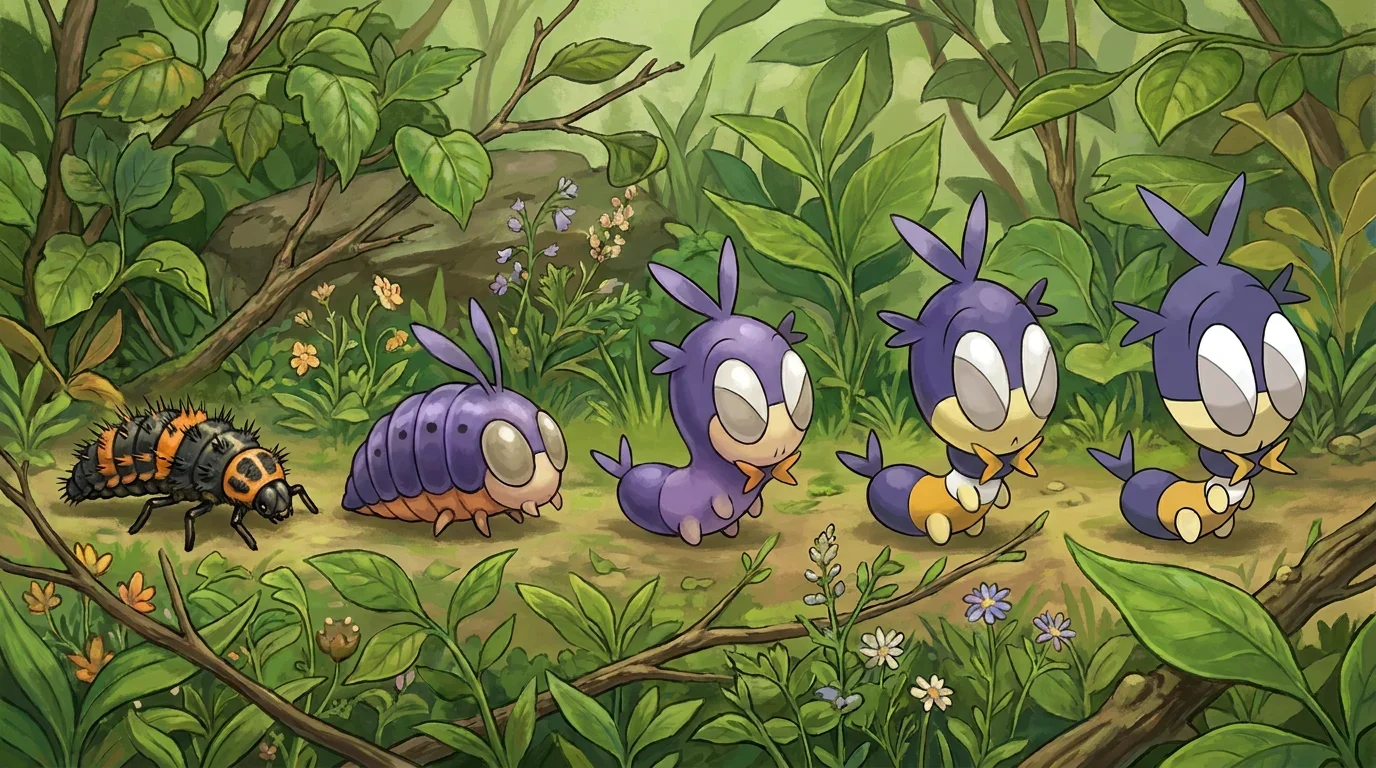
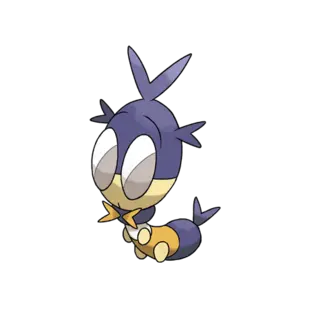
Blipbug, the Larva Pokemon, may be based on a ladybug larva. Its glasses-like eyes and bowtie-like neck feelers may echo the image of a stereotypical nerd, and together they may imply a bookworm, a word for both someone obsessed with books and an insect that burrows into the pages of books.
It is often found in gardens and uses the hairs on its body to assess its surroundings. Its base stat total, the sum of its six base stats, is 180, the lowest in the group. No comment from us on how close that hits.
#872
Snom
#872
Type
IceBug
Category
Worm Pokémon
National Dex
#0872
Debut
Gen VIII
Base stat total
185
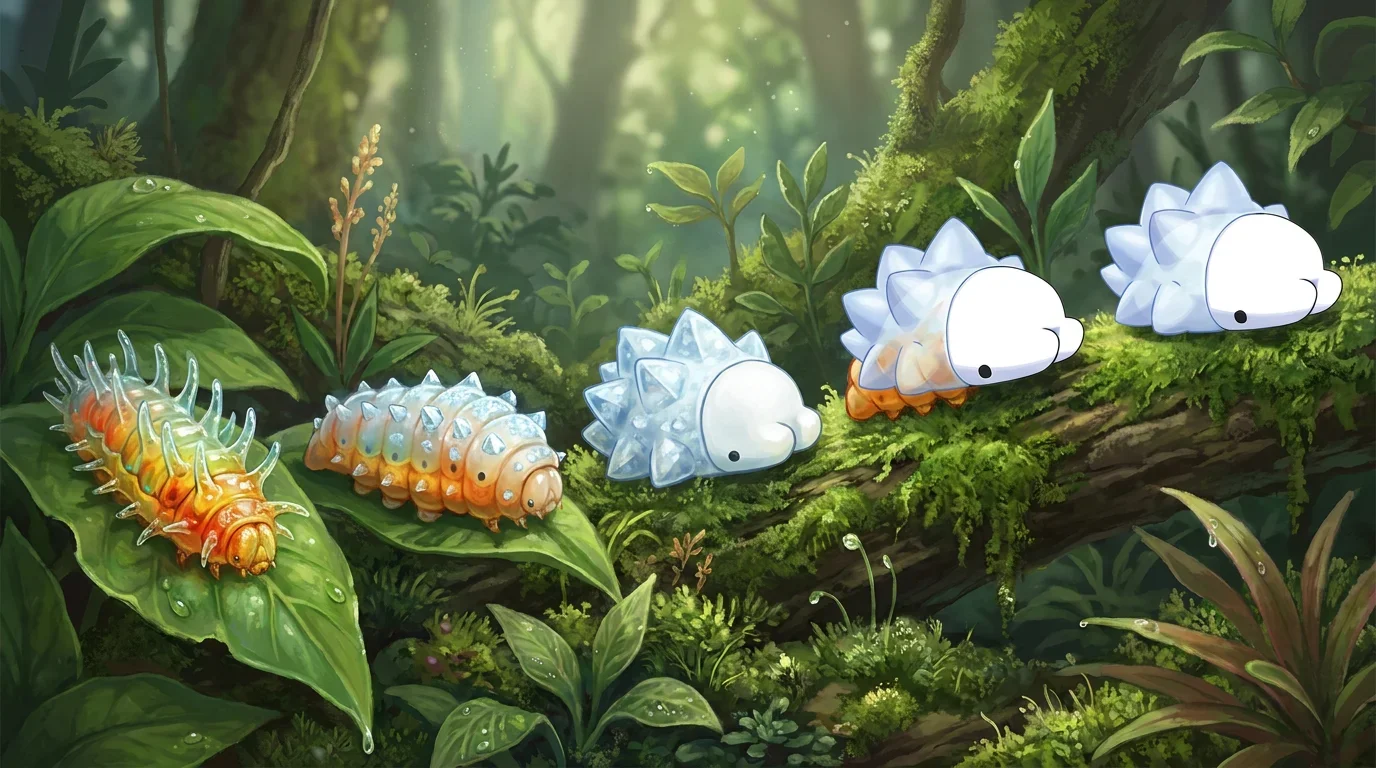
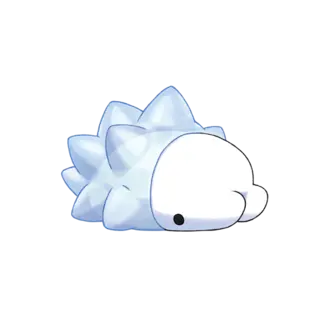
Snom, the Worm Pokemon, could be modeled on a jewel caterpillar. It could also borrow from the larvae of Arctic moths such as the arctic woolly bear moth, which can enter a dormant state that lets it endure temperatures far below freezing.
It eats the snow that piles up on the ground, and the more snow it eats, the bigger and more impressive the spikes on its back grow. In battle it's slow, with a Speed of 20. (Snom clearly missed the warning about eating snow that we got as kids.)
#960
Wiglett
#960
Type
Water
Category
Garden Eel Pokémon
National Dex
#0960
Debut
Gen IX
Base stat total
245
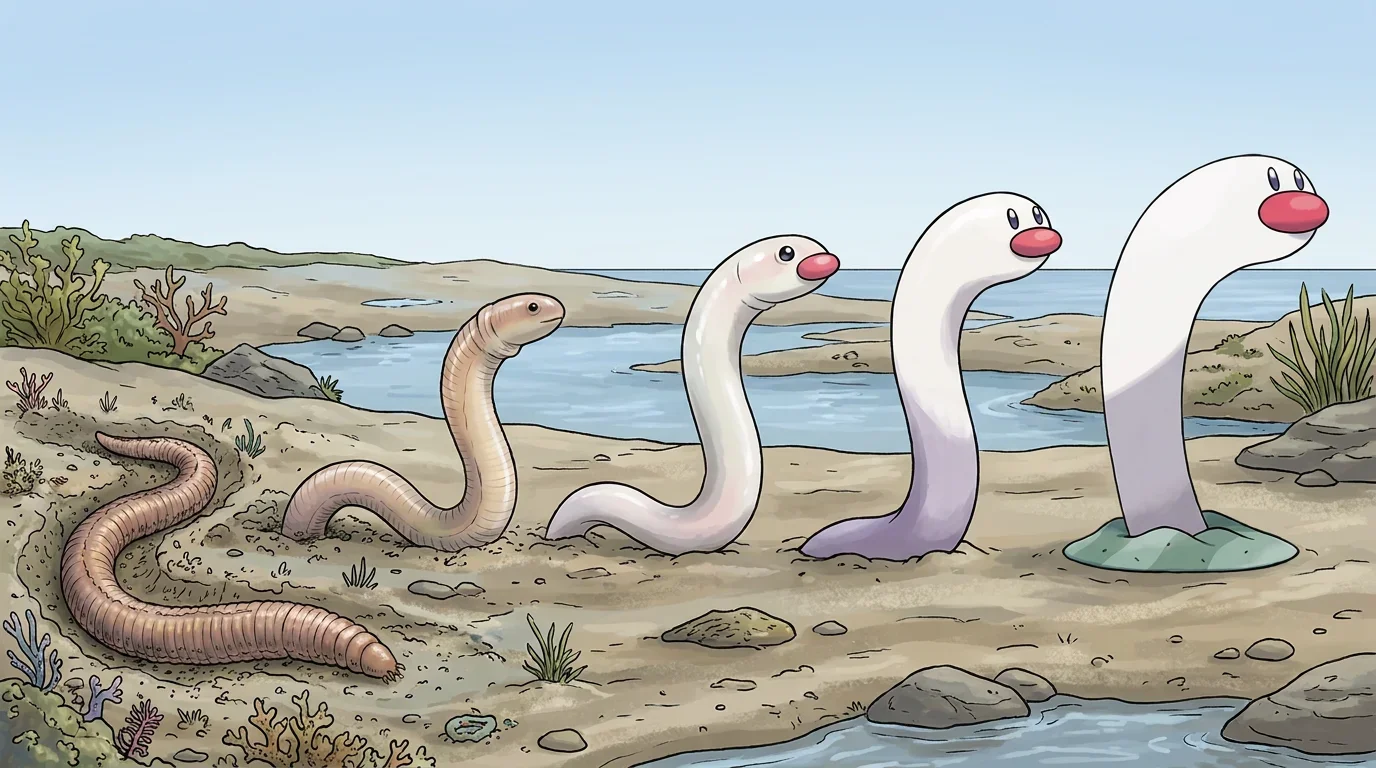
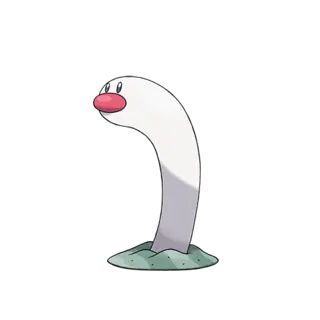
Wiglett, the Garden Eel Pokemon, is based on garden eels and could also borrow from tube worms and tubifex worms. Its simple body and lack of fins may come from the hagfish, and so may its strong sense of smell. Its likeness to Diglett may be a reference to convergent evolution, the process that can lead separate organisms to develop similar body plans on their own.
Wiglett is an entirely different species from Diglett, and the resemblance seems to be a coincidental result of environmental adaptation. It's built for speed rather than staying power, with a Speed of 95 and an HP of only 10.
#968
Orthworm
#968
Type
Steel
Category
Earthworm Pokémon
National Dex
#0968
Debut
Gen IX
Base stat total
480
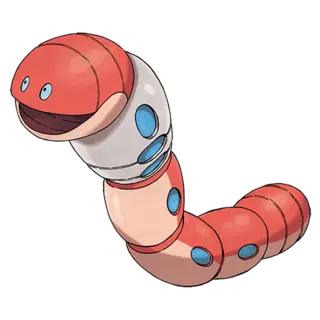
Orthworm, the Earthworm Pokemon, is based on an earthworm, and also shares similarities to a subway train, with segments whose ovals resemble clear windows. It may also be inspired by the Iberian worm lizard, a reptile that looks like an earthworm and lives deep underground in Spain and Portugal, the countries Paldea is based on. Its giant Titan form, an oversized version of Orthworm, may borrow from the Mongolian death worm and the sandworms of works like Dune.
It lives in arid deserts and keeps its metal body going by eating iron from the soil. That diet makes for a heavy worm, since it weighs 310 kg, and its Defense of 145 makes it hard to wear down.
Eight of the 13 Worm Pokemon Are Insect Larvae
Caterpie, Weedle, Wurmple, Sewaddle, Larvesta, Grubbin, Blipbug and Snom are all insect larvae. The earthworm-like diggers carry the highest Defense in the group. Steelix leads with a Defense of 200. Onix follows with a Defense of 160. Orthworm comes next with 145. So the worm name mostly went to small caterpillars, while the worm's way of life went to giants of rock and metal. Only Orthworm, the Earthworm Pokemon, is an earthworm by name and by design.
Worm Pokemon FAQ
How many worm Pokemon are there?
Four of them have worm in their category, and most of the group are insect larvae rather than worms.
What is the strongest worm Pokemon?
Steelix has the highest base stat total of the group, with a base stat total of 510. Orthworm comes next at 480.
Is Caterpie a worm?
No, because Caterpie is called the Worm Pokemon but it is based on a caterpillar, the larva of a butterfly.
Is Onix a worm?
Onix is the Rock Snake Pokemon, and its design may be a visual pun on an earthworm, while its underground lifestyle is much closer to an earthworm's than a snake's.