Most butterfly Pokemon haven't become butterflies yet. Real butterflies start out as caterpillars and spend time in a chrysalis. Only two of the 18 are called butterflies, and several of the others earn their spot only because they look like caterpillars.
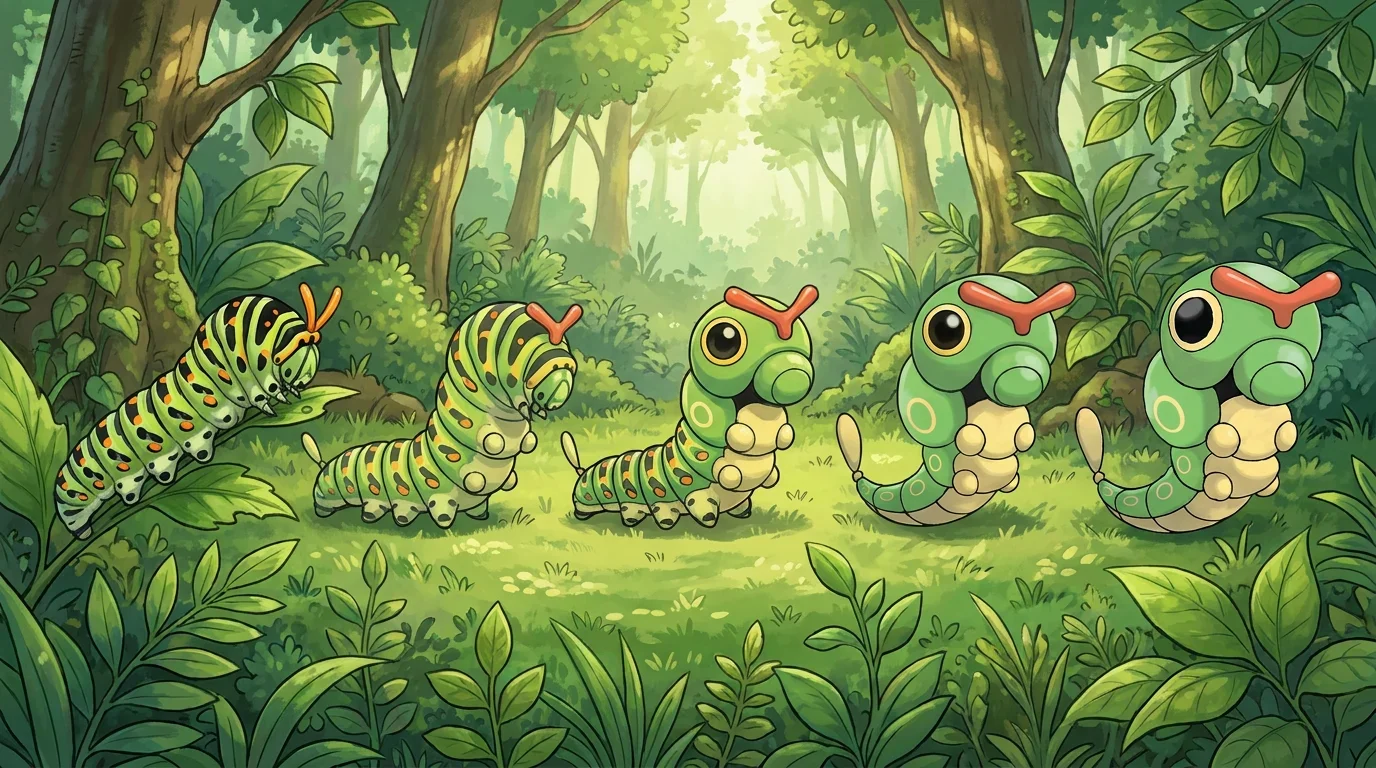
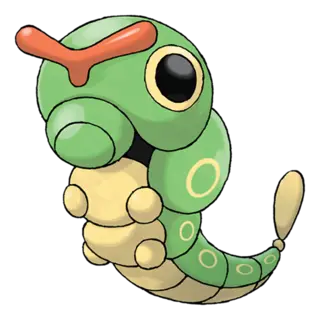
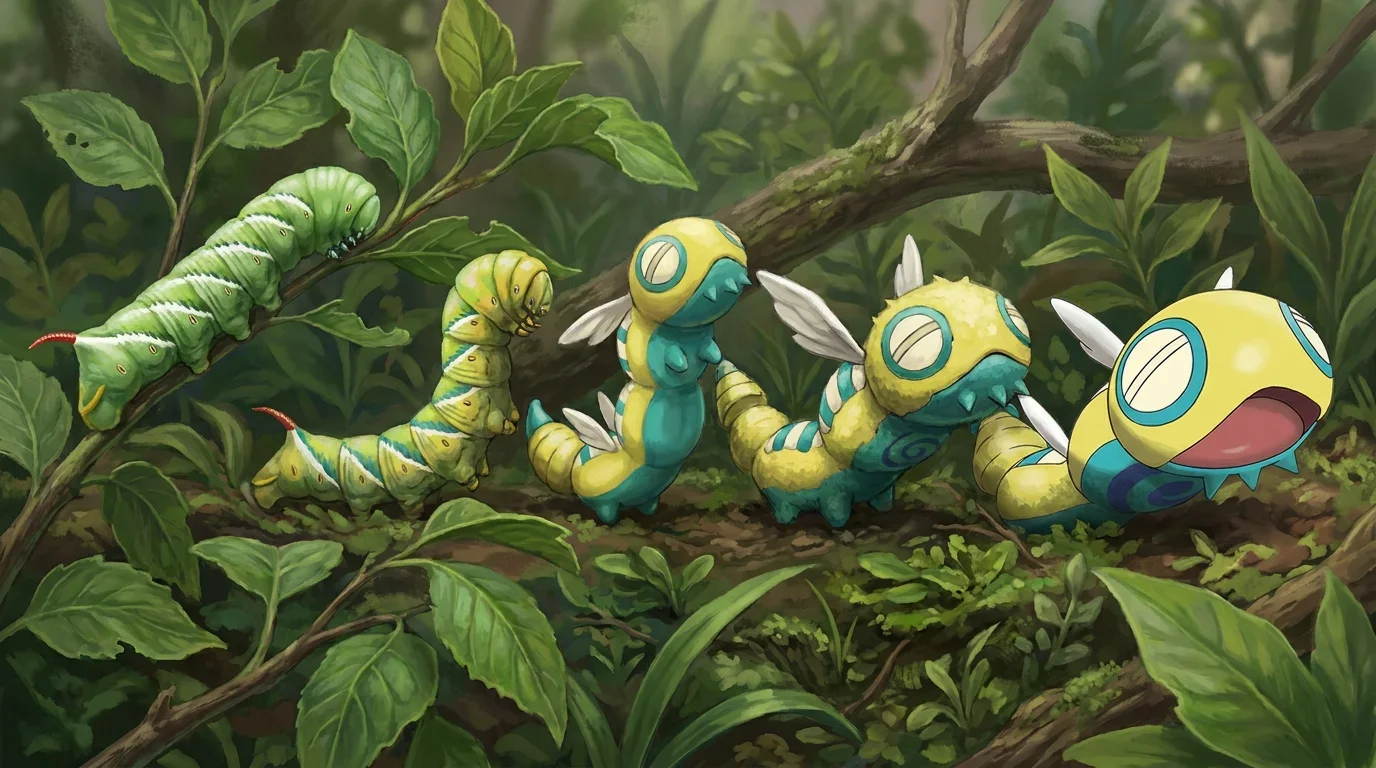
Caterpie, the Worm Pokemon, is based on a caterpillar, perhaps the Asian swallowtail, though the eastern tiger and spicebush swallowtails fit too. Those caterpillars share its green body and yellow eyespots, plus the red osmeterium they use to mimic snakes. Even the tip of its tail plays along, since it resembles the horn that many hawk moth larvae have on their rear ends.
Up close, its short feet are tipped with suction pads that let it climb slopes and walls without tiring. It stands 0.3 m tall and weighs 2.9 kg, and its base stat total, the sum of all its base stats, is 195. An ability is a passive effect that works on its own in battle, and one of Caterpie's, Shield Dust, protects it from the extra effects of moves, like a burn or a flinch riding along with an attack.
#011
Metapod
#011
Type
Bug
Category
Cocoon Pokémon
National Dex
#0011
Debut
Gen I
Base stat total
205
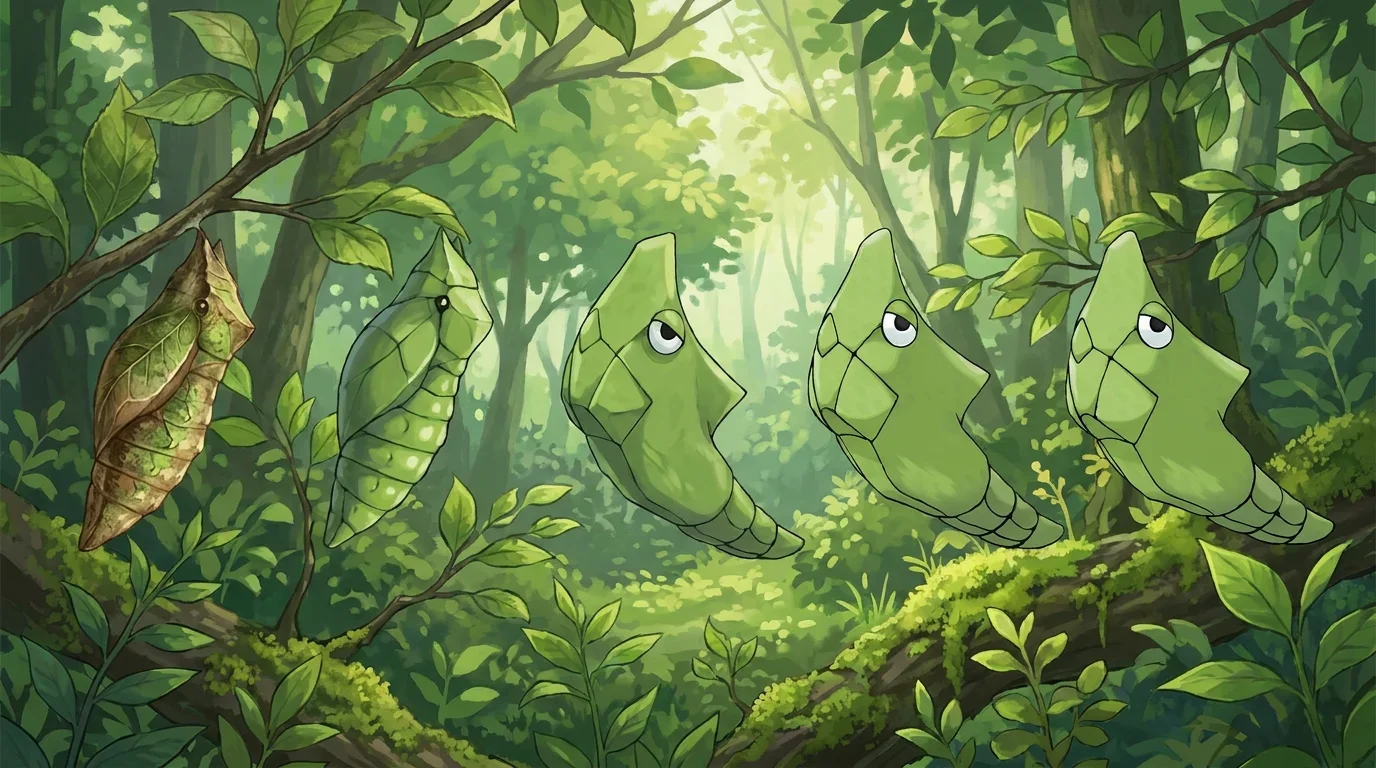
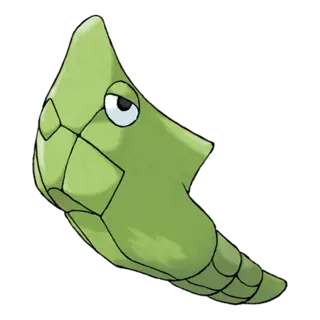
Metapod, the Cocoon Pokemon, is based on a butterfly chrysalis, possibly that of the cabbage white butterfly, given its pointed shape and green color.
That shell is less of a fortress than it looks, though. Even though it is encased in a sturdy shell, the body inside is tender, and it cannot withstand a harsh attack. A hard shell over a soft middle is an arrangement a lot of us know well. It weighs 9.9 kg, and one of its abilities, Shed Skin, gives it a 33% chance after each turn of curing a major status problem, a lasting condition such as poison.
#012
Butterfree
#012
Type
BugFlying
Category
Butterfly Pokémon
National Dex
#0012
Debut
Gen I
Base stat total
395
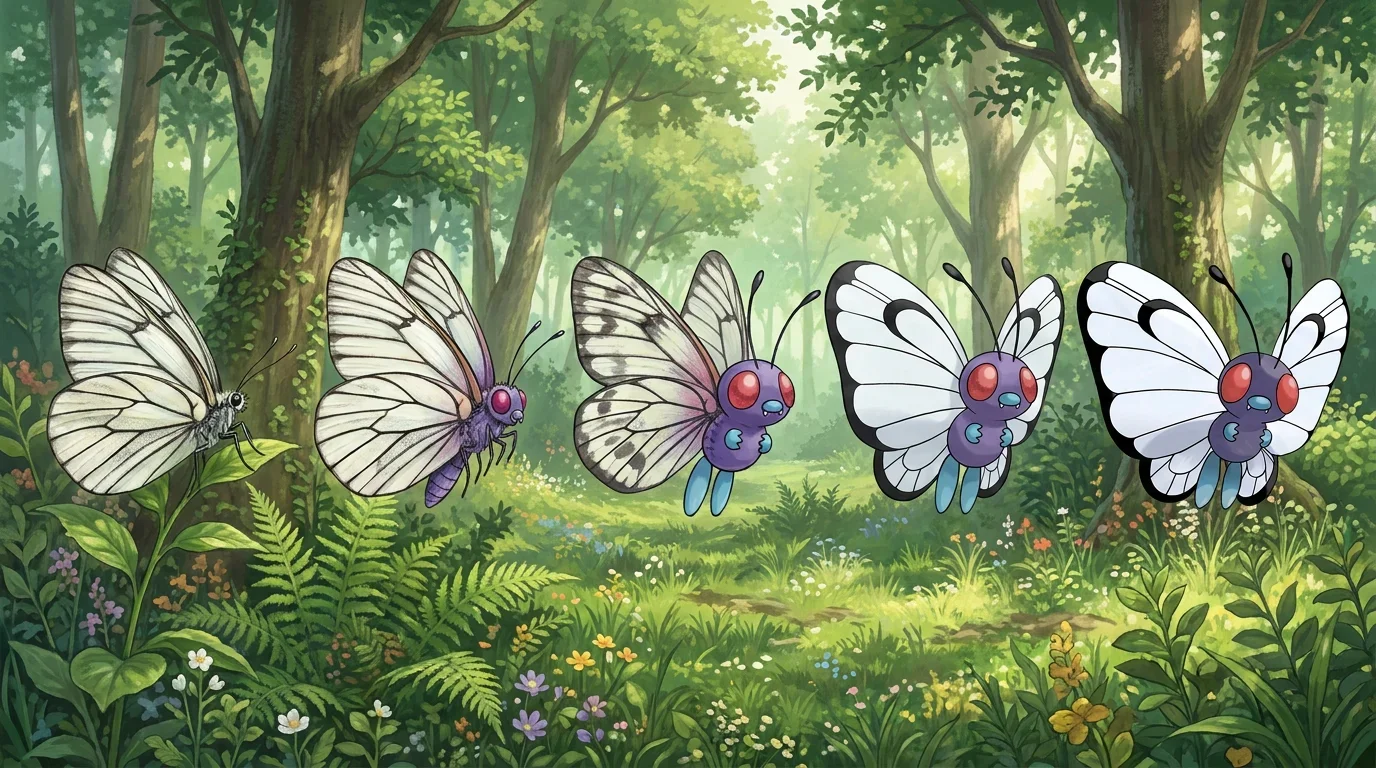
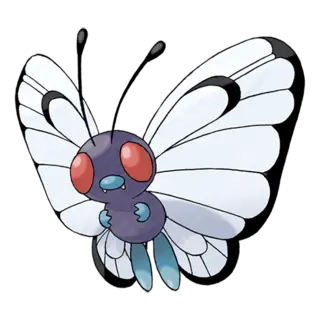
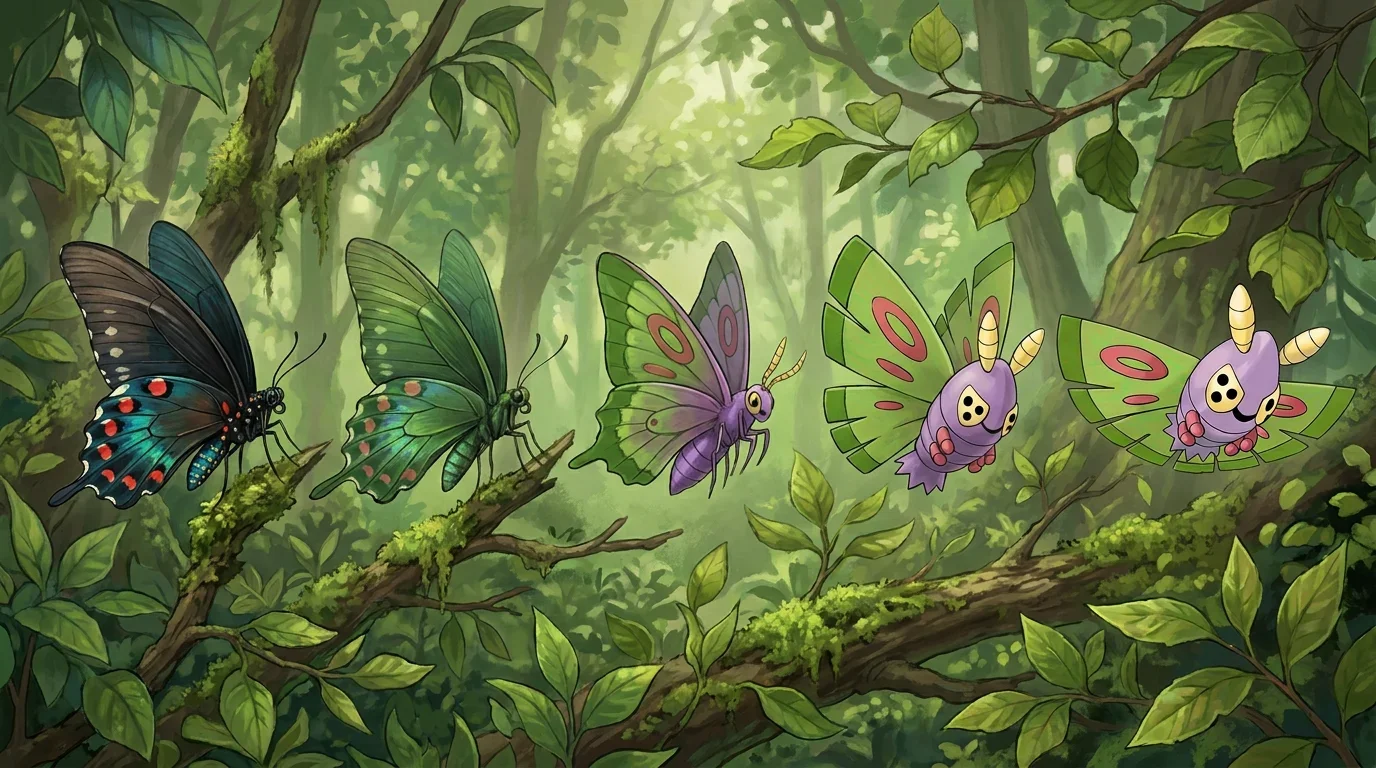
Butterfree, the Butterfly Pokemon, is based on the black-veined white butterfly. Its pairing with Beedrill, the bee at the end of Weedle's line, may refer to the phrase "Float like a butterfly, sting like a bee", coined by the boxer Muhammad Ali.
It collects honey and rubs it onto the hairs on its legs to carry it back to its nest. In battle, one of its abilities, Compound Eyes, raises the accuracy of its moves to 1.3×, which helps its shakier moves land.
#013
Weedle
#013
Type
BugPoison
Category
Hairy Bug Pokémon
National Dex
#0013
Debut
Gen I
Base stat total
195
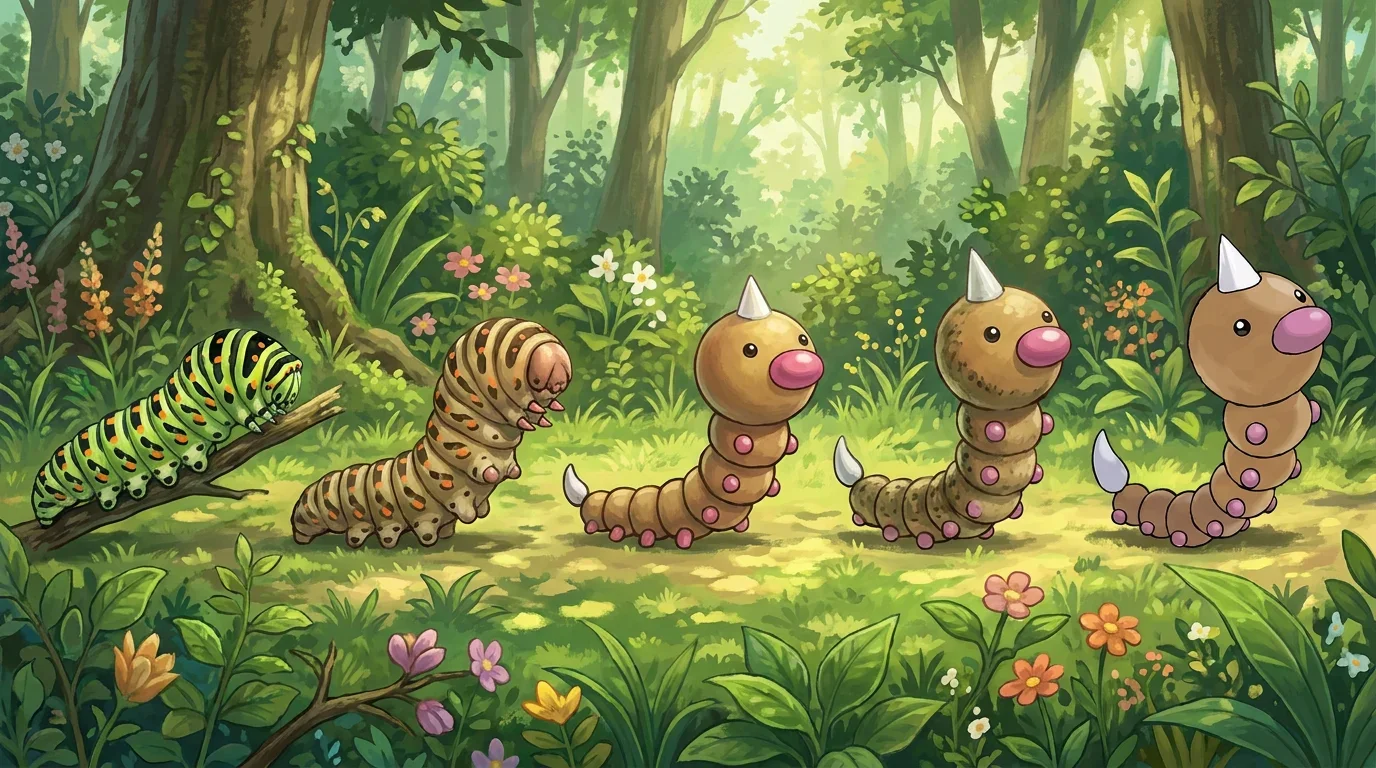
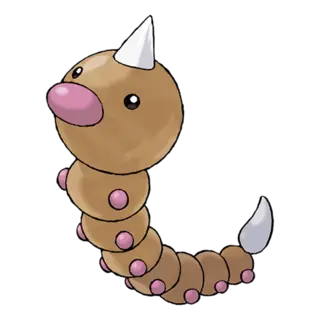
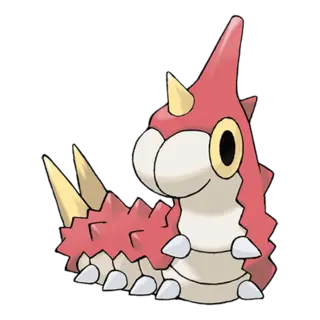
Weedle, the Hairy Bug Pokemon, is based on a wasp or bee larva and on needles or stings. As its Japanese category suggests, it could also be modeled on stinging caterpillars, and possibly on a waxworm.
That sting is the part the games want you to remember. The Pokedex says to beware of the sharp stinger on its head, and it hides in grass and bushes where it eats leaves. (Tall grass gets a wide berth from us now.) It stands 0.3 m tall and weighs 3.2 kg.
#049
Venomoth
#049
Type
BugPoison
Category
Poison Moth Pokémon
National Dex
#0049
Debut
Gen I
Base stat total
450
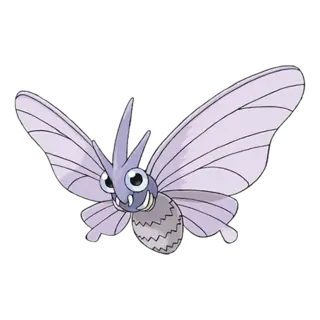
Venomoth, the Poison Moth Pokemon, is based on swallowtail moths, many of which are toxic. Its face and insect diet suggest it could also take cues from lacewings, which, like many moths, are attracted to lights at night, and it may be a play on the moth lacewing. Its Shiny coloration, a rare alternate color scheme, is similar to a blue morpho butterfly.
Those toxic swallowtails carry straight over into its wings. The powdery scales on its wings are hard to remove from skin, and they contain poison that leaks out on contact. In battle, one of its abilities, Tinted Lens, doubles the damage of its not very effective moves, the ones a target's type resists, so its attacks stay useful against Pokemon that would normally shrug them off.
#206
Dunsparce
#206
Type
Normal
Category
Land Snake Pokémon
National Dex
#0206
Debut
Gen II
Base stat total
415
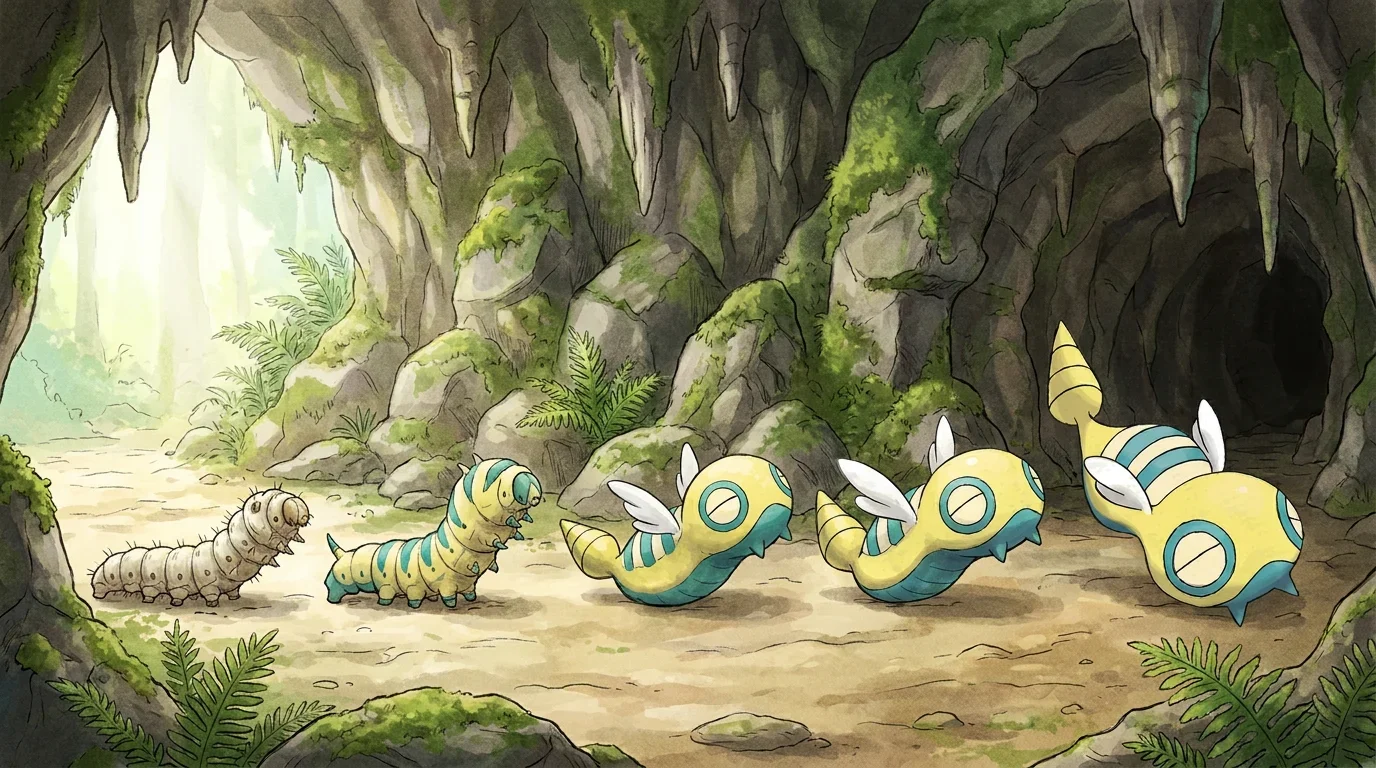
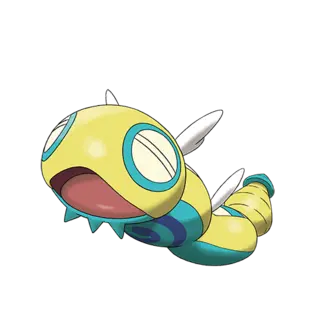
Dunsparce is the Land Snake Pokemon, and the Tsuchinoko, the snake-like cryptid of Japan, is what it is mainly based on. Its butterfly link is the larva look. With its larviform body and ring-circled eyes that resemble the eyespots of some species, it could be echoing sphinx moth caterpillars, which have a history of being mistaken for the Tsuchinoko.
The folklore loops back on itself after that, because it may also nod to the Nozuchi, a large caterpillar-like creature thought to be the same thing as the Tsuchinoko. Underground, its nests are mazes of tunnels, and it never gets lost because it can tell where it is by the scent of the dirt. Its base HP of 100, the stat that sets how much damage it can take, is the highest of its stats.
#265
Wurmple
#265
Type
Bug
Category
Worm Pokémon
National Dex
#0265
Debut
Gen III
Base stat total
195
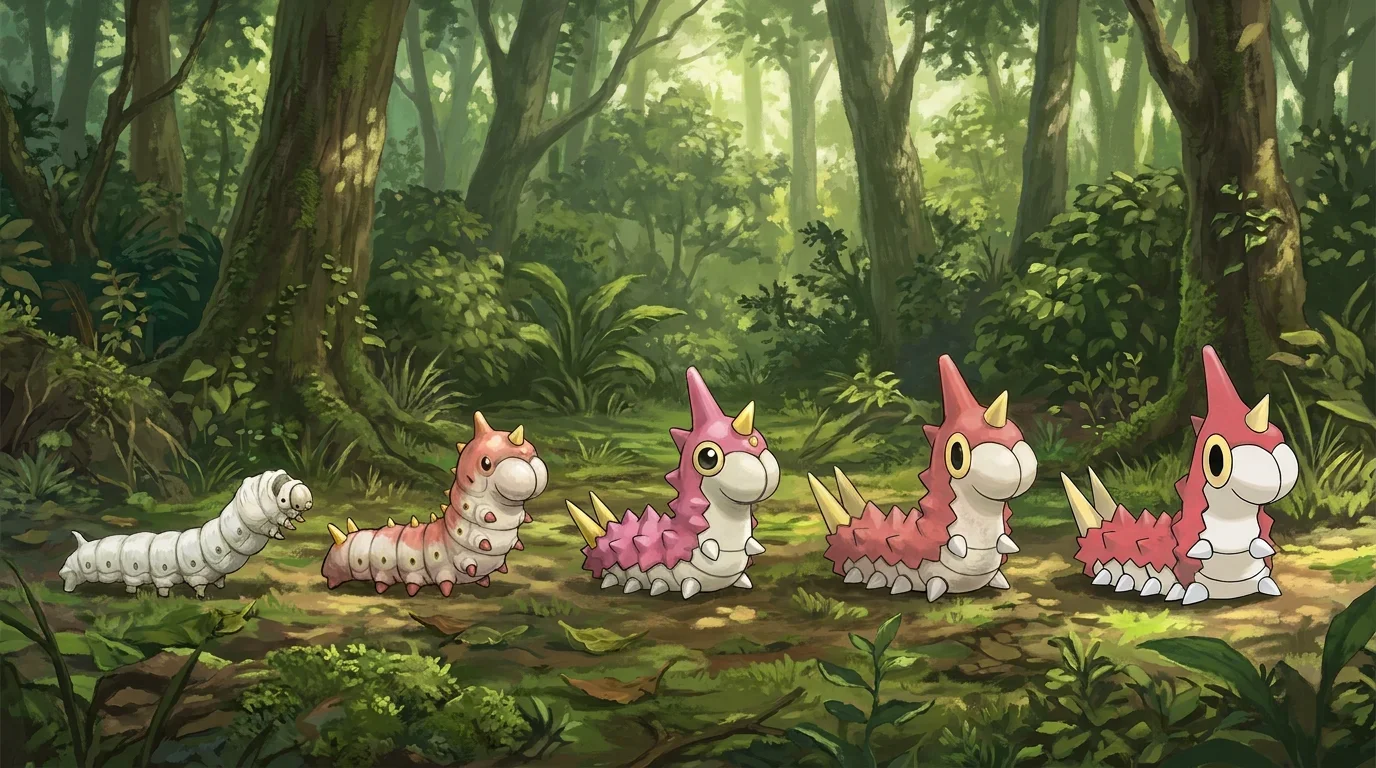
Wurmple, the Worm Pokemon, is based on a caterpillar or a mix of them, such as the puss moth and the pipevine swallowtail.
You cannot tell from its appearance which form it will take, and most of our big decisions get made on about that much information. It becomes either Silcoon, which leads to Beautifly, or Cascoon, which leads to Dustox. Its base stat total is 195, level with Caterpie and Weedle.
#267
Beautifly
#267
Type
BugFlying
Category
Butterfly Pokémon
National Dex
#0267
Debut
Gen III
Base stat total
395
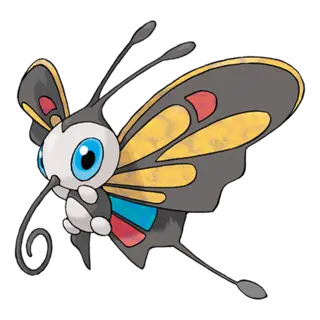
Beautifly, the Butterfly Pokemon, is based on a swallowtail butterfly, especially the common yellow swallowtail, because of the shape and colors of its wings. Its orange-yellow and black colors bring the monarch butterfly to mind. Its habit of piercing prey with its proboscis is similar to a vampire moth or a mosquito.
It is colorful and incredibly beautiful but also greedy, and it will chase away Combee as they try to gather nectar to keep its favorite food to itself. Gorgeous and petty is a combination we can only admire from a distance. One of its abilities, Swarm, powers up its Bug moves to 1.5× when its HP, its health in battle, drops to a third or less.
#269
Dustox
#269
Type
BugPoison
Category
Poison Moth Pokémon
National Dex
#0269
Debut
Gen III
Base stat total
385
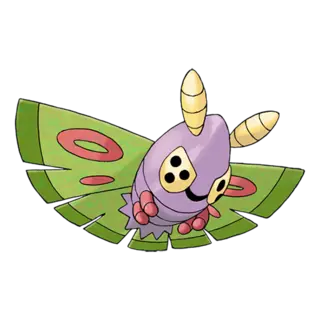
Dustox, the Poison Moth Pokemon, is based on the Japanese luna moth, also called the Japanese moon moth. The match rests on its green wings and nocturnal habits, and on its ability to learn Moonlight. Its Poison type may come from butterflies and moths that keep toxic chemicals in their bodies from the plants they ate as larvae, and its Shiny colors resemble the Japanese silk moth.
Like a real moth, it is drawn to bonfires on dark nights, and it is hard to chase away from settlements because of the highly toxic scales it scatters. Plenty of bonfire guests overstay, but at least ours don't scatter toxic scales.
#412
Burmy
#412
Type
Bug
Category
Bagworm Pokémon
National Dex
#0412
Debut
Gen IV
Base stat total
224
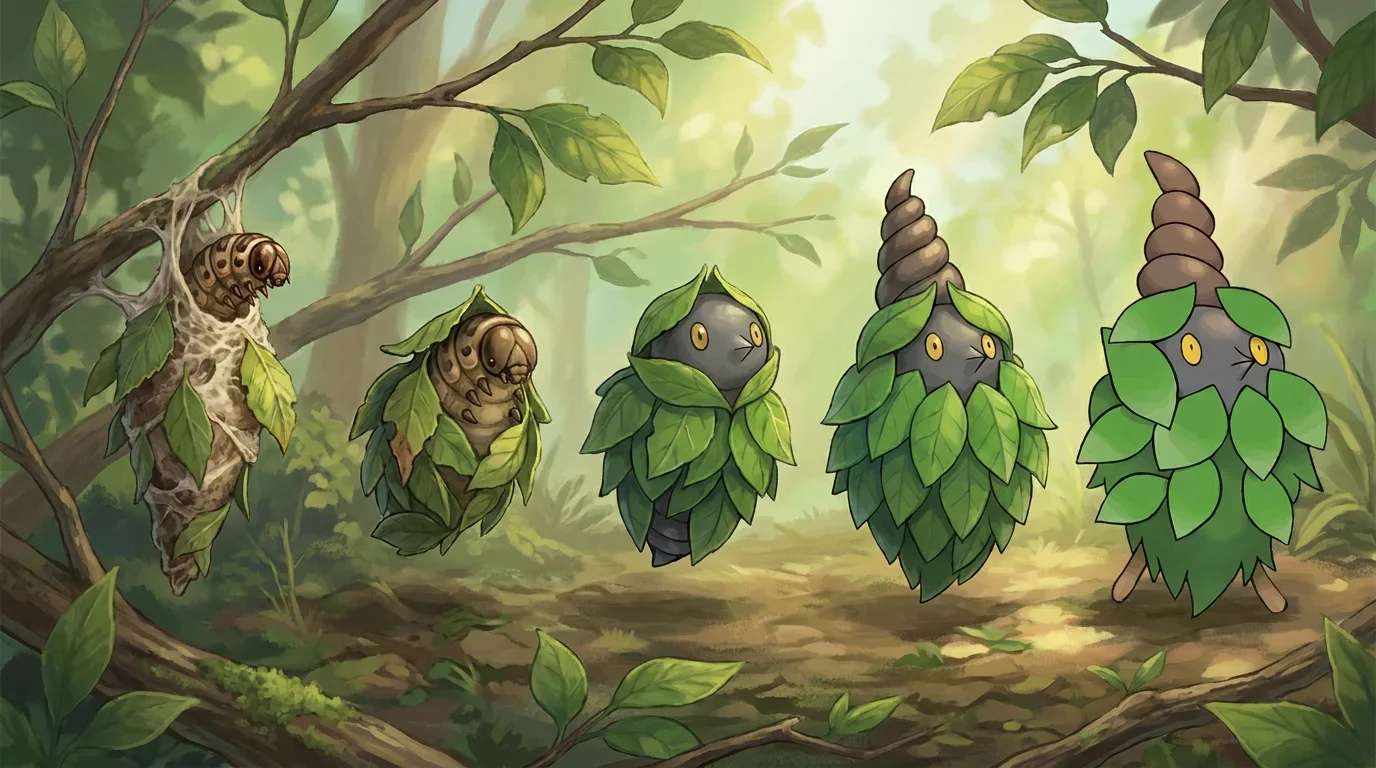
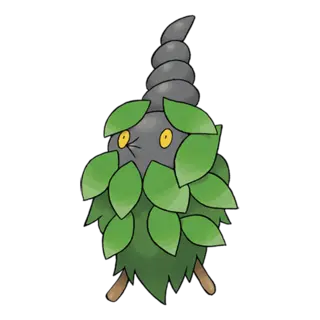
Burmy, the Bagworm Pokemon, is based on a bag moth caterpillar, which builds a mobile shelter out of silk and whatever is around it. Its evolution follows real bag moths too. Males become flying moths, as Burmy turns into Mothim, while females stay larva-like and bag-bound, as Burmy turns into Wormadam.
Burmy's cloaks, the shelters it wears, carry their own references. Its Plant Cloak resembles a sauna whisk and may nod to the Bannik, a Slavic bathhouse spirit said to look like a tiny old man wearing nothing but a beard full of leaves and twigs. Its Trash Cloak, meanwhile, appears to be made of fiberglass insulation. Insulation as outerwear is a hard sell, even for us. It repairs any damage to its cloak with whatever is close at hand, and the Pokemon inside is scrawny and vulnerable to the cold. It stands 0.2 m tall.
#540
Sewaddle
#540
Type
BugGrass
Category
Sewing Pokémon
National Dex
#0540
Debut
Gen V
Base stat total
310
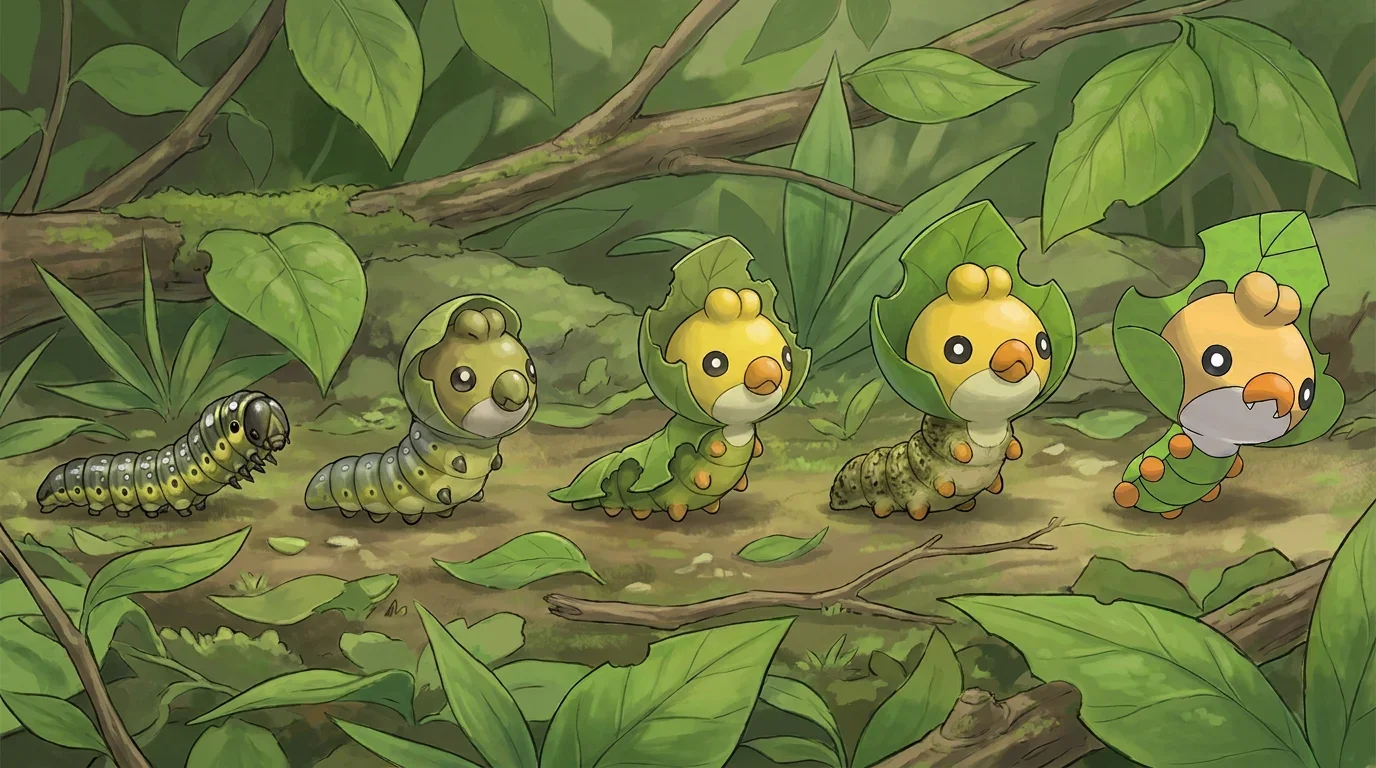
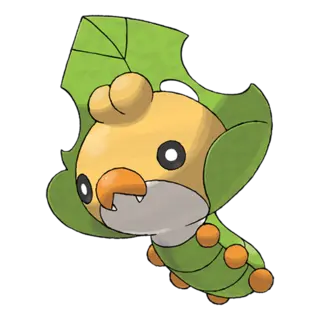
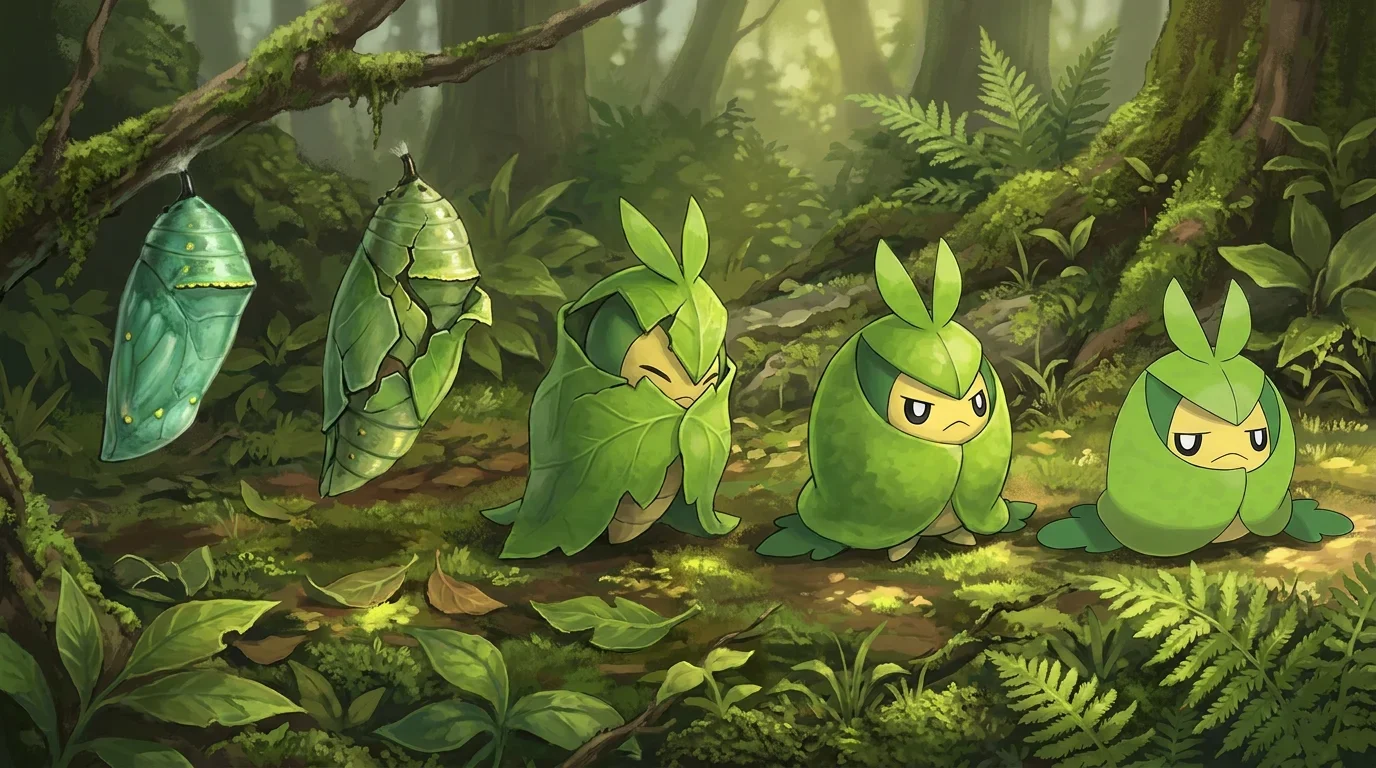
Sewaddle, the Sewing Pokemon, is based on the caterpillar of the silver-spotted skipper, which makes silk and folds leaves over itself for shelter. It also shares traits with weaver ant larvae, whose silk is used to build nests. The large leaf around its head could stand for a baby's bonnet.
That sewing habit carries into its daily life, since it makes its own clothes out of leaves, which makes it a popular mascot for fashion designers, while our own tailoring ends at a hem held up with safety pins. It weighs 2.5 kg in total, and one of its abilities, Chlorophyll, doubles its Speed, the stat that decides who moves first in a turn, in strong sunlight, so the leafy outfit comes with a reason to stand in the sun.
#541
Swadloon
#541
Type
BugGrass
Category
Leaf-Wrapped Pokémon
National Dex
#0541
Debut
Gen V
Base stat total
380
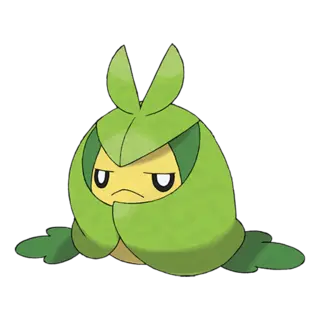
Swadloon, the Leaf-Wrapped Pokemon, is based on a leaf-rolling insect pupa, such as a sawfly caterpillar or the prepupa of the silver-spotted skipper. The way it hides in its blanket bears some resemblance to how Japanese media often show people with hikikomori syndrome.
The blanket has a practical side, though. It protects itself from the cold by wrapping up in leaves, and it stays on the move, eating leaves in forests. Its Defense of 90, the stat that cuts damage from physical attacks, is its highest.
#664
Scatterbug
#664
Type
Bug
Category
Scatterdust Pokémon
National Dex
#0664
Debut
Gen VI
Base stat total
200
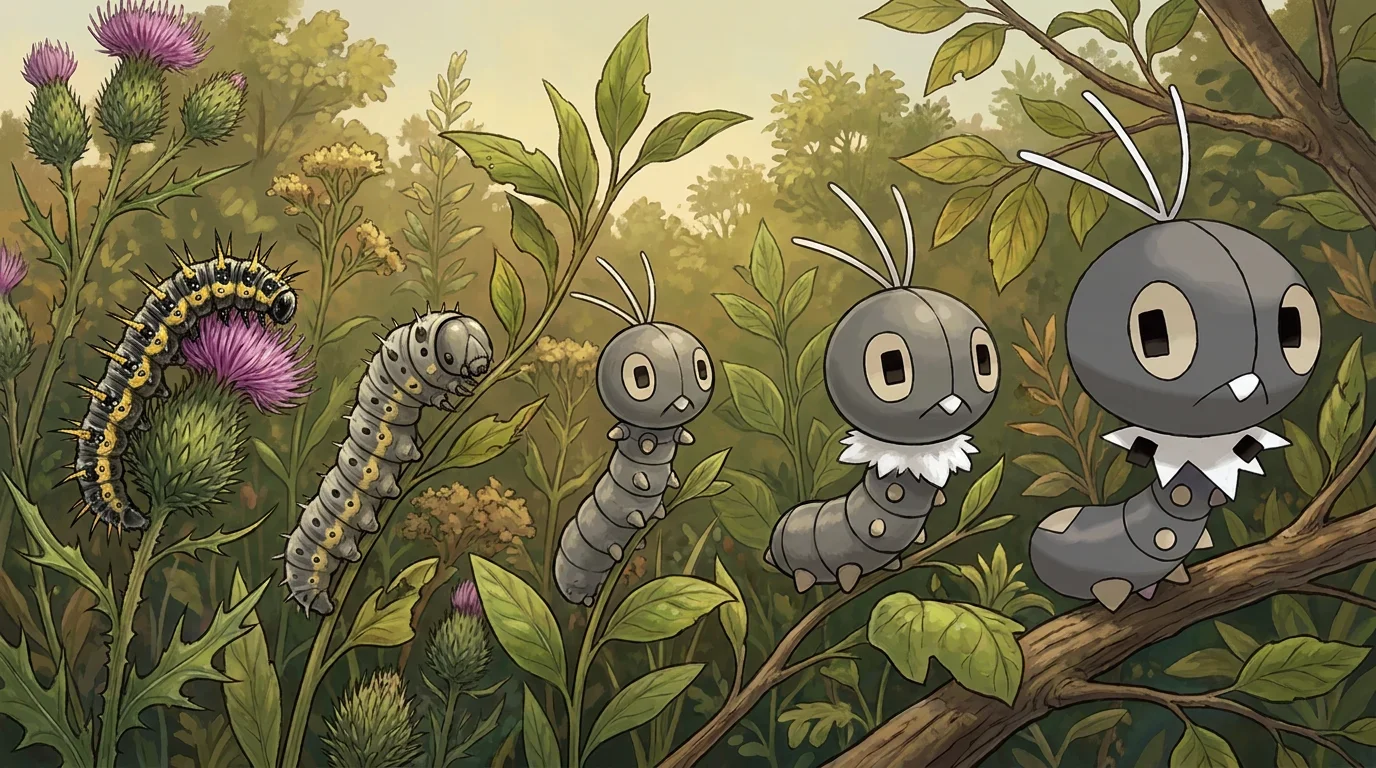
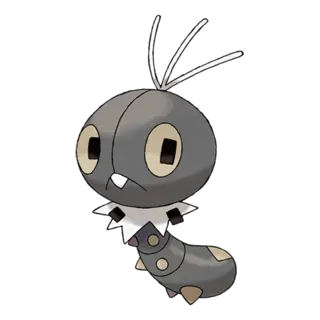
Scatterbug, the Scatterdust Pokemon, is based on a caterpillar. The candidates are the larva of carpet moths, which eat through fabric and make cocoons from it, and the silk moth, whose larvae produce large amounts of silk. The square powder on its body might stand in for confetti or screen pixels.
That powder does real work, because it regulates its temperature, which lets it live in any region or climate. The climate range sets up its final form, whose wing patterns change with where it lives. Like Sewaddle, it weighs 2.5 kg.
#666
Vivillon
#666
Type
BugFlying
Category
Scale Pokémon
National Dex
#0666
Debut
Gen VI
Base stat total
411
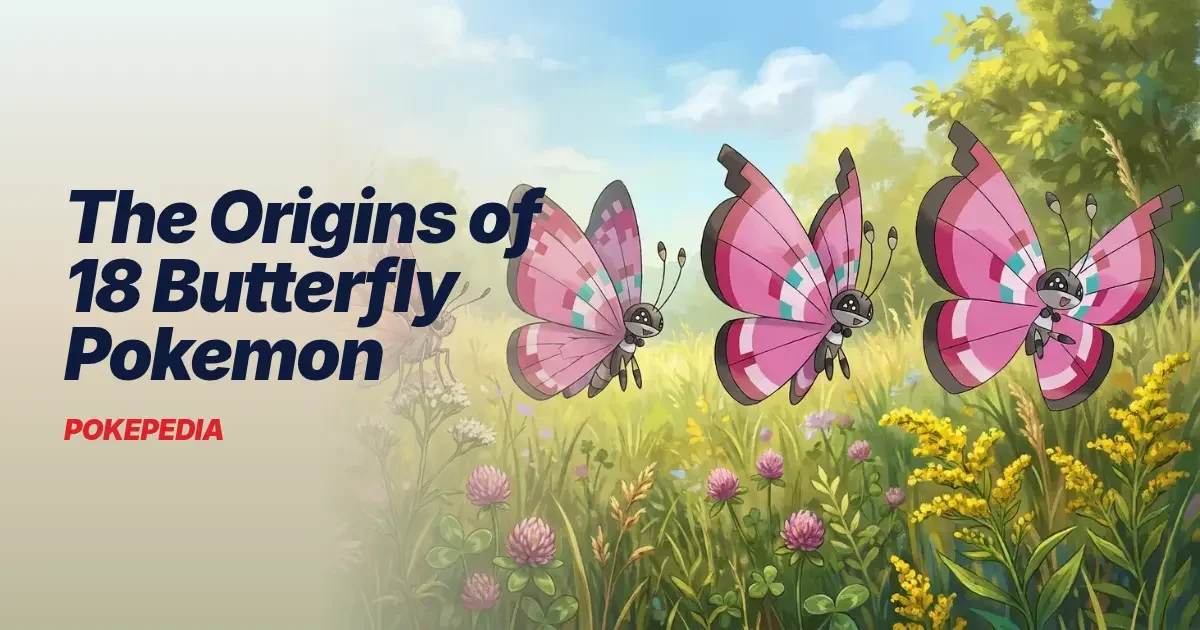
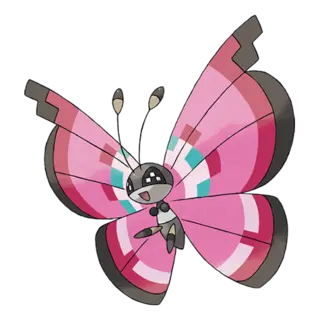
Vivillon, the Scale Pokemon, comes in many varieties that depend on where you're playing in the real world. That may come from Papilio dardanus, a swallowtail with many known morphs, each of which mimics a different bad-tasting species of butterfly. Its block-like wing patterns could be a take on pixel art, and its Modern Pattern could echo the De Stijl art movement.
Inside the games, the patterns on its wings depend on the climate and topography of its habitat, and it scatters colorful scales. It also outpaces both Pokemon with the Butterfly category, with a Speed of 89, against 70 for Butterfree and 65 for Beautifly.
#870
Falinks
#870
Type
Fighting
Category
Formation Pokémon
National Dex
#0870
Debut
Gen VIII
Base stat total
470
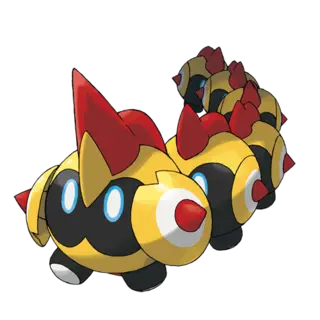
Falinks, the Formation Pokemon, is mostly a squad of soldiers. It could be inspired by a phalanx formation, with heads that resemble the Corinthian helmets of Ancient Greek hoplites, and by the Lost Legion, the Roman legion that disappeared in Britain. Its butterfly link is its vaguely insectoid look in column formation, which may be a visual pun on an admiral caterpillar or a reference to the pine processionary.
That marching line is the Pokemon itself, since the six of them work together as one Pokemon, and they constantly change their formation as they fight. (We would settle for six of us agreeing on where to park.) It stands 3 m tall and weighs 62 kg. One of its abilities, Battle Armor, protects it from critical hits, the lucky hits that deal extra damage.
#872
Snom
#872
Type
IceBug
Category
Worm Pokémon
National Dex
#0872
Debut
Gen VIII
Base stat total
185
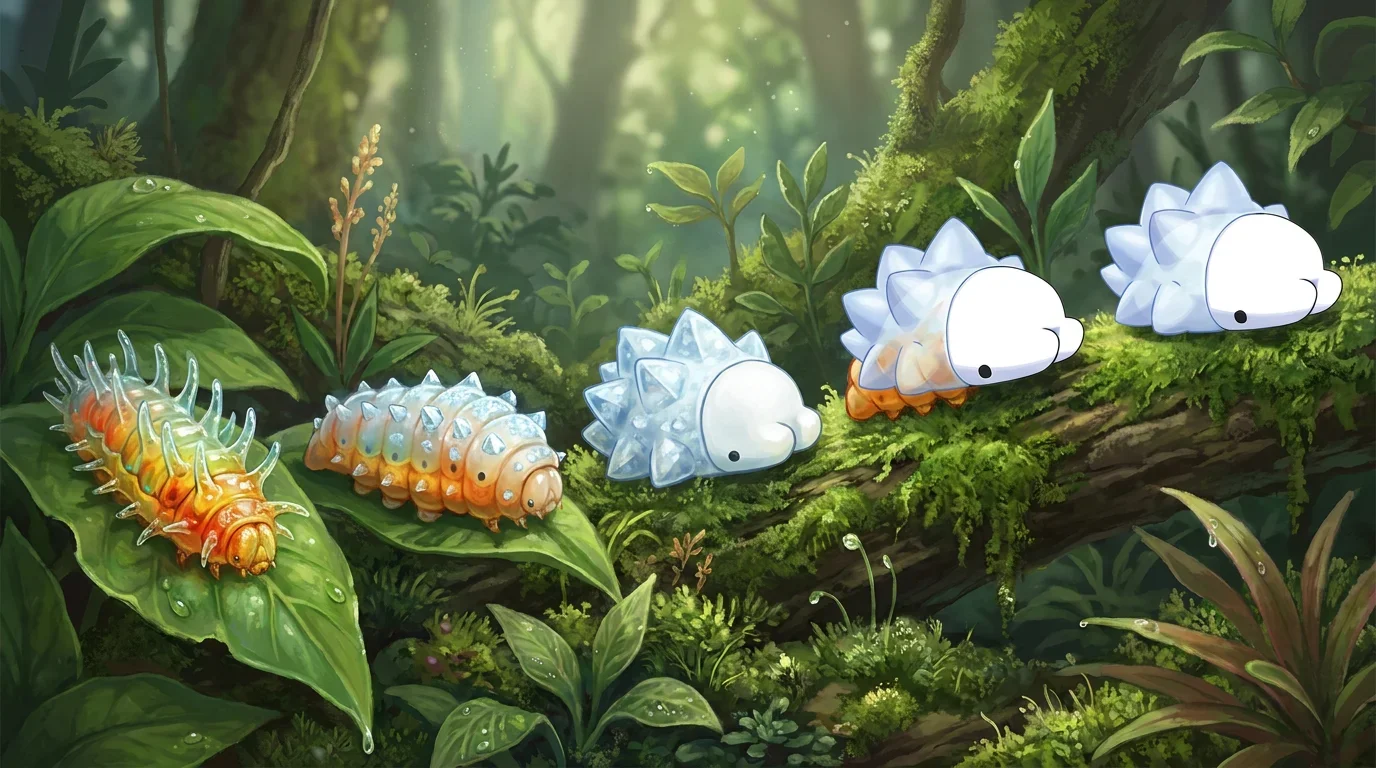
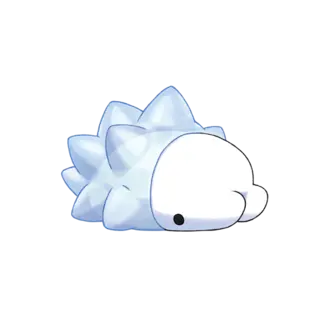
Snom, the Worm Pokemon, could take after a jewel caterpillar. It might also owe something to the larvae of the Gynaephora genus of alpine or Arctic moths, such as the arctic woolly bear moth, which can survive extreme cold by going dormant.
Its diet keeps it in character, since it eats snow that piles up on the ground, and the more snow it eats, the bigger the spikes on its back grow. Its hidden ability, Ice Scales, halves the damage it takes from special moves. A hidden ability is a rarer second ability a species can have, and special moves are the attacks that run on the Special Attack stat.
#873
Frosmoth
#873
Type
IceBug
Category
Frost Moth Pokémon
National Dex
#0873
Debut
Gen VIII
Base stat total
475
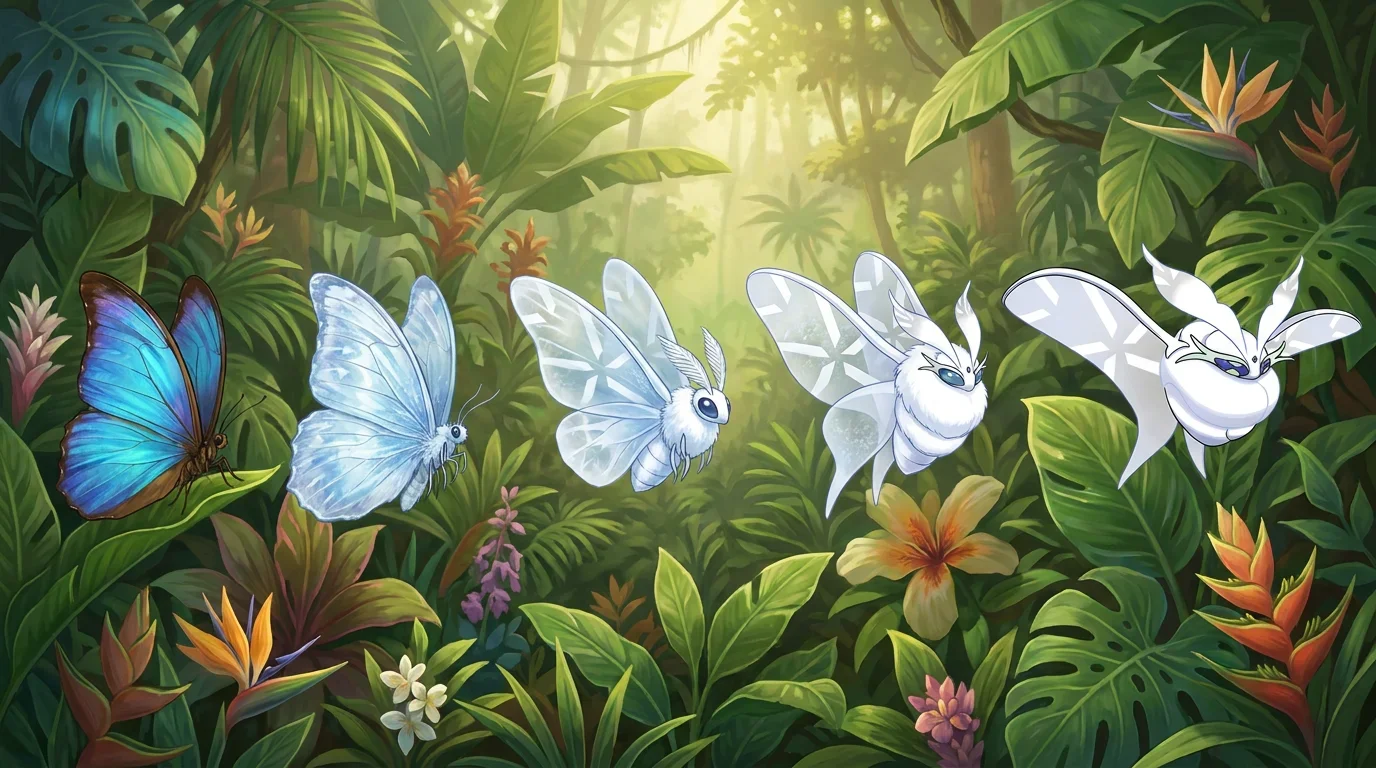
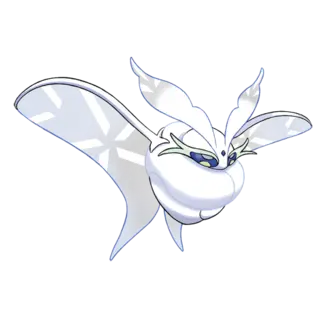
Frosmoth, the Frost Moth Pokemon, is based on a giant silk moth, going by its body shape and feathered antennae, and on the Ourapteryx genus, going by its color and tailed wings. Its Ice type seems to come from O. nivea, the snow swallowtail moth. The folklore behind it is darker, since it could also trace back to Morana, a Slavic goddess of winter and death, and on Slavic beliefs that white moths are omens of death.
That grim edge suits its temper. It shows no mercy to anyone who desecrates fields and mountains, and it flies around on its icy wings causing a blizzard to chase offenders away. Fire is strong against both Ice and Bug, so the two weaknesses stack into a quadruple weakness to Fire, which may refer to the phrase "like moths to a flame". Someone on the design team was probably very pleased with that one.
#982
Dudunsparce
#982
Type
Normal
Category
Land Snake Pokémon
National Dex
#0982
Debut
Gen IX
Base stat total
520
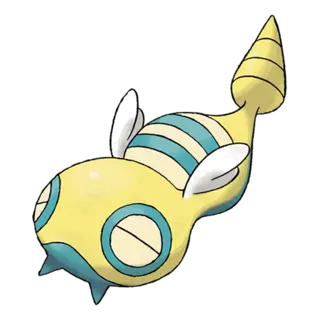
Dudunsparce has its butterfly link in its roots. Like Dunsparce, it seems to borrow from snake-mimicking sphinx moth caterpillars, and from the Nozuchi, a large caterpillar-like creature sometimes said to be the same as the Tsuchinoko. Its segmented body is similar to the ultrabithorax mutation in the fruit fly, which grows a second thorax directly behind the first.
It drives enemies out of its nest by filling its long, narrow lungs with air and releasing it in an intense blast. It stands 3.6 m tall.
15 of the 18 Butterfly Pokemon Are Bug Types
Fifteen of the 18 are Bug types, and the same 15 are in the Bug egg group, the grouping that decides which Pokemon can breed with each other. The other three are here only because of a caterpillar-like body, and they are also the only ones outside the Bug egg group.
Butterfly Pokemon FAQ
How many butterfly Pokemon are there?
There are 18 butterfly Pokemon, but only Butterfree and Beautifly have the Butterfly Pokemon category, and the rest are mostly moths and larval forms, plus three that only look like caterpillars.
What is the strongest butterfly Pokemon?
Dudunsparce has the highest base stat total of any butterfly Pokemon, at 520. Among the true butterflies and moths, Frosmoth leads at 475.
Is Vivillon a butterfly?
Yes, Vivillon is a butterfly, and it was probably modeled on Papilio dardanus, a swallowtail butterfly with many known morphs.
Is Venomoth a butterfly?
No, Venomoth is the Poison Moth Pokemon and is based on swallowtail moths, though its Shiny coloration is similar to a blue morpho butterfly.
What does Caterpie evolve into?
Caterpie evolves into Metapod at level 7, and Metapod evolves into Butterfree at level 10.